Wedding-Cake Sugar Flowers From Reusable Molds
If you've ever spent three hours hand-sculpting a single sugar rose only to watch it crack before the wedding day, you already know the heartbreak I'm talking about. Wedding cake flowers are supposed to be the crown jewel of your design — not the thing that keeps you up at night.
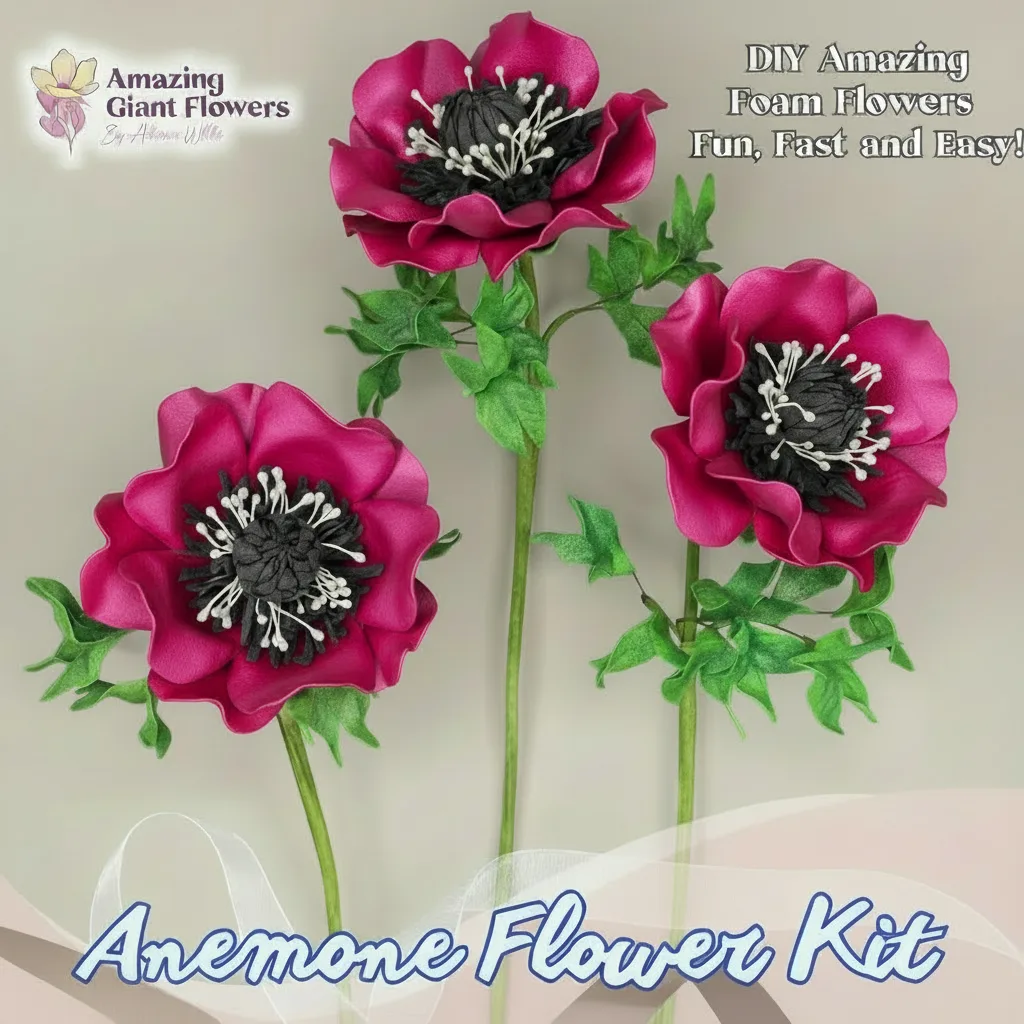
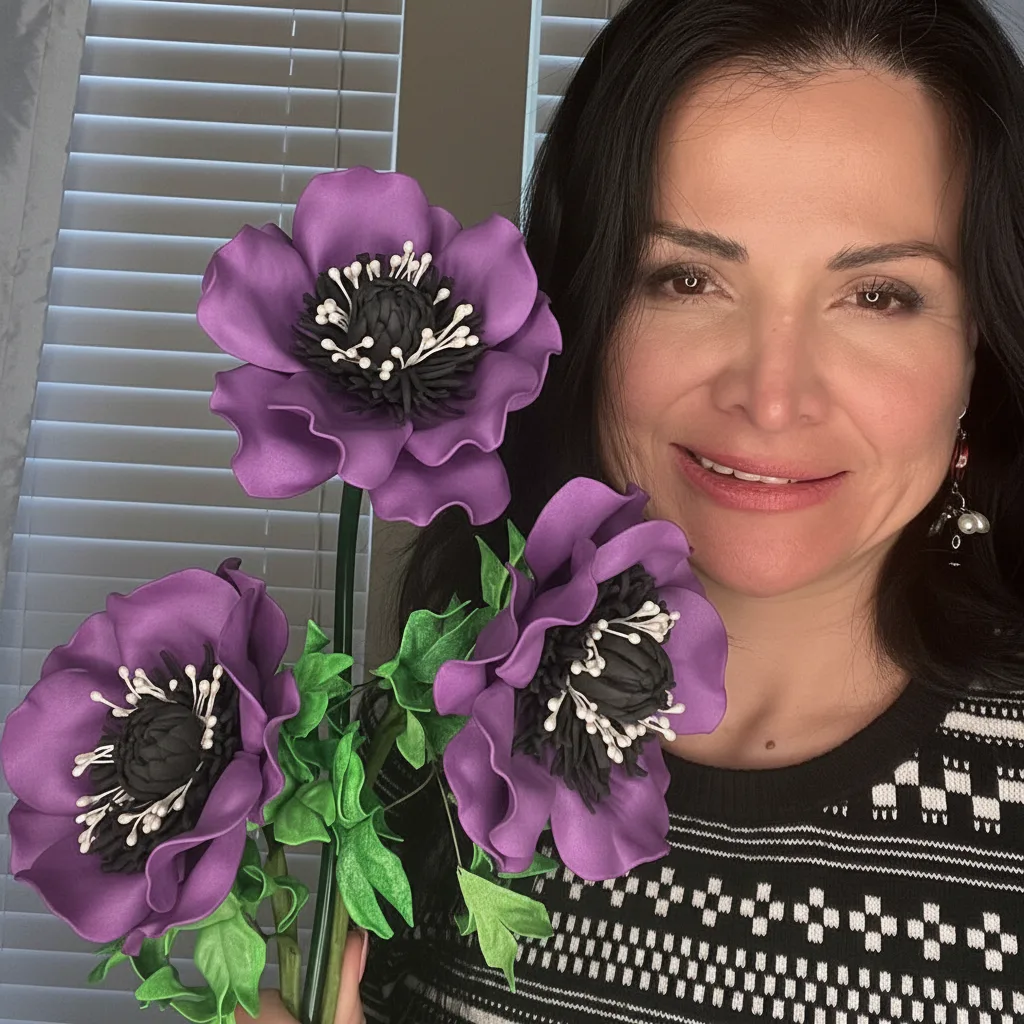
I started Amazing Giant Flowers as a crafter, not a baker. But over the years, so many cake decorators found their way to my molds that I had to pay attention. They kept telling me the same thing: they needed a faster, more consistent way to create stunning sugar blooms without sacrificing that handcrafted look. So I listened. And now our double-sided flower molds are officially a staple in professional bakery studios across the country.
This article is for you — the wedding baker who wants elegant, repeatable blooms that look like you spent all week on them. (Even if you made them in an afternoon.)
Key Takeaways
Real talk? Freehand sugar flowers are a beautiful skill. I'm not here to take that away from anyone. But when you're running a wedding bakery and you've got four cakes due in one weekend, consistency becomes just as important as artistry.
One of my bakers — her name is Renata, she runs a boutique cake studio in Austin — told me she used to dread peony season. Every bride wanted peonies. Every peony took her 45 minutes per bloom. She was burning out.
Then she started using molds. Not the flimsy plastic ones from the craft store. Proper, double-sided silicone-style molds that capture every vein, every curve, every natural detail in the petal. She cut her bloom time nearly in half — and her cakes looked more polished than ever.
The Problem With Inconsistency in Sugar Work
When petals aren't uniform, your eye catches it. Even if the bride can't articulate why something looks "off," she feels it. Consistency is what separates a professional cake from a beautiful home-bake.
Molds solve this. You press, you lift, you have a petal. Same shape. Same depth. Same vein pattern. Every time.
Ok, this is where it gets really fun. Our flower molds weren't designed exclusively for bakers — and that's actually their superpower.
They were originally built to create life-size foam flower petals for event décor. That means the detail level is extraordinary. These molds were engineered to hold up under heat and pressure from EVA foam shaping — which means they handle gumpaste and sugar paste like an absolute dream.
Both sides of the mold are textured. The front captures the natural petal surface — veining, subtle curves, organic edges. The back gives you a smoother press for thinner, more delicate work. You get two looks from one mold.
For sugar flowers, this means you can create petals with realistic depth on one side and use the reverse for more minimalist, modern designs. Same mold. Different aesthetic. Totally intentional.
Food-Safe and Built to Last
I know the first question bakers ask: "Is it food safe?" Yes. Our molds are food-safe compatible, which means you can use them confidently with gumpaste, fondant, and modeling chocolate. No off-gassing, no chemical transfer, no worries.
And they're reusable hundreds of times. If you're making wedding cake flowers every weekend, that per-use cost becomes almost nothing.
💡 Pro Tip
Dust your mold lightly with cornstarch before pressing gumpaste. It releases cleanly every time and won't affect the finish of your petal. Avoid vegetable shortening — it can blur the fine vein detail.
Not every bloom translates perfectly to sugar work — but the ones that do are absolute showstoppers on a wedding cake. Here's what I've seen bakers create most successfully with our molds:
The key is understanding that life-size petals are exactly what you want for wedding cakes. Not oversized. Not cartoonish. Real, botanical proportions that look like they were just picked from a garden.
Let me walk you through my recommended process. This is what I've seen work best based on feedback from bakers who use our molds regularly.
Work with gumpaste that's been kneaded until smooth and pliable. It should feel like soft clay — not sticky, not cracking. If it's cracking, add a tiny drop of vegetable glycerin and knead again. Roll it to about 2mm thickness on a non-stick mat before pressing.
Dust the mold with cornstarch. Press your rolled gumpaste firmly into the mold — you want full contact so the veining transfers completely. Use a small rolling pin or your thumb to work from the center outward. Then peel back slowly from one edge.
This is the magic window. Right after you release the petal from the mold, you have about 60–90 seconds to shape it before gumpaste starts setting. Cup it in your palm, curl the edges with a ball tool, or drape it over a former to create natural curves. Work fast and confidently.
Dry petals on foam formers, in egg carton cups, or draped over crumpled foil — whatever gives you the curve you want. Allow 24–48 hours for full drying depending on humidity. Then assemble your bloom using floral wire and flower tape, building from the center outward just like a real flower grows.
🌸 Ready to build your sugar flower toolkit?
Browse our full flower mold collection and find the bloom shapes that match your wedding cake style.
Mold Method vs. Freehand vs. Pre-Made: A Real Comparison
I get asked all the time whether molds are "worth it" compared to just buying pre-made sugar flowers or going fully freehand. Here's my honest breakdown:
Honestly? The mold method wins for any baker doing more than one or two wedding cakes a month. The time savings alone pay for the mold within your first order.
Here's something most bakers don't realize when they first find us. These same molds that produce your gumpaste petals? They also work beautifully with EVA foam to create life-size foam flowers for event décor.
So if you're a baker who also does wedding styling, or if you've ever thought about offering a full floral package — cake plus décor — this is your in. One mold set covers both worlds.
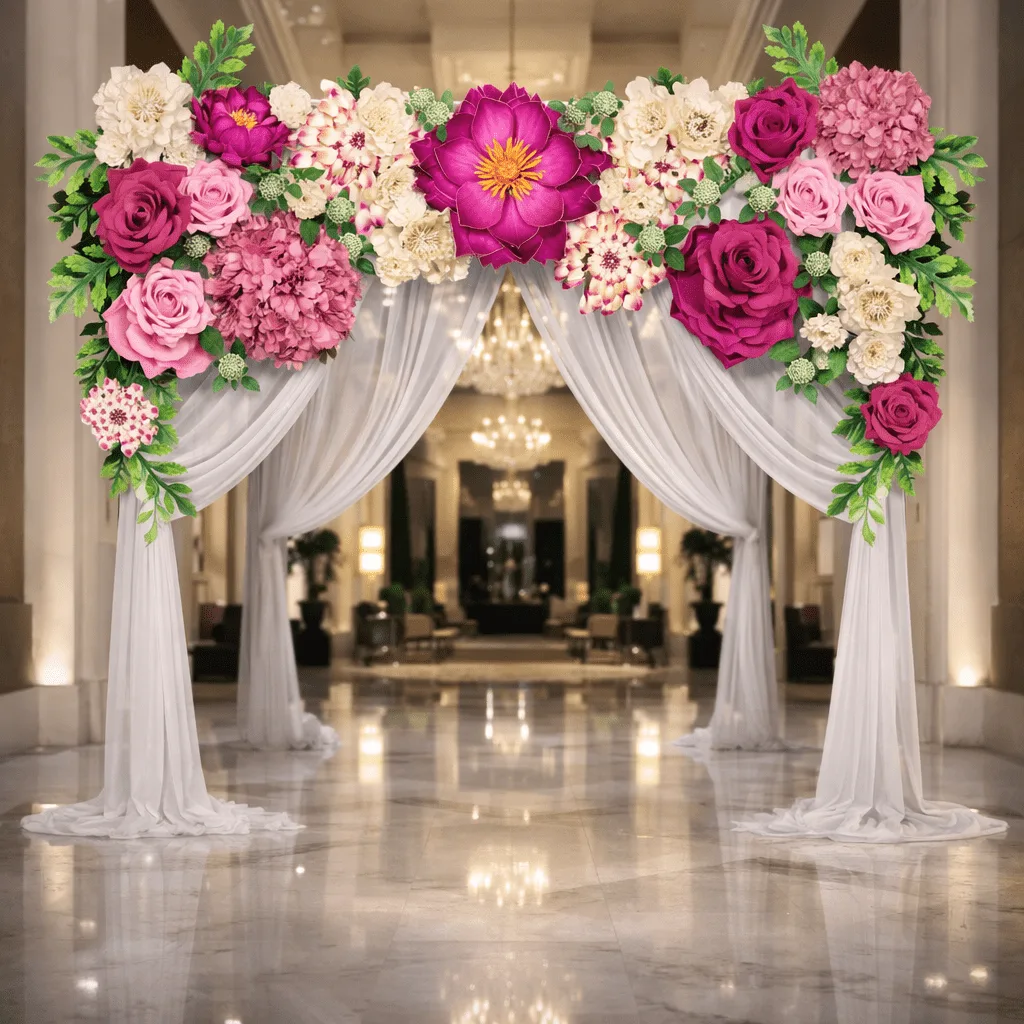
I've seen bakers use the foam versions to create matching foam flower wedding arches that coordinate perfectly with the sugar flowers on the cake. The same petal shape, the same botanical proportions. It's a cohesive look that clients absolutely love — and it's a serious upsell opportunity for your business.
If you want to explore the foam flower side, check out our life-size foam flower kits — they pair perfectly with the molds.
💡 Pro Tip
When pitching a wedding package, show the bride a side-by-side of the sugar flower on the cake and a foam version in the same shape for the arch. The visual connection between cake and venue décor is incredibly persuasive — and it's effortless when you're using the same mold for both.
Painting and Finishing Your Sugar Flowers Like a Pro
A mold gives you the shape. Your finishing work gives it the soul. Here's how I've seen the best bakers bring their mold-pressed petals to life:
- Petal dust for depth: Brush food-grade petal dust from the center outward in light layers. Build color gradually — you can always add more, but you can't take it back.
- Steaming for a polished finish: A quick pass over a kettle of steam sets petal dust and gives petals a natural sheen. Don't overdo it — 2–3 seconds is plenty.
- Edible luster for drama: Mix luster dust with a tiny amount of clear extract and paint onto dried petals for a metallic or iridescent effect. Stunning on ivory roses for a luxe wedding aesthetic.
- Veining enhancement: Use a fine brush and a slightly darker shade of petal dust to trace the vein lines the mold already created. It adds incredible realism.
A mold gives you the shape. Your finishing work gives it the soul — and that's where your artistry still shines through, every single time.
Frequently Asked Questions
Are your flower molds safe to use with gumpaste and fondant?
Yes — our molds are food-safe compatible, which means they're appropriate for use with gumpaste, fondant, modeling chocolate, and sugar paste. We always recommend washing with warm soapy water before first use, and storing them flat or rolled loosely to preserve their shape.
How many times can I realistically reuse a mold?
Hundreds of times — genuinely. These molds were originally engineered to withstand the heat and pressure of EVA foam shaping, so sugar work is comparatively gentle on them. With proper care (no sharp tools inside the mold, gentle washing, no extreme heat), a single mold can last years in a busy bakery setting.
What's the best gumpaste recipe to use with these molds?
I'm a crafter, not a pastry chef — so I'll defer to your expertise on recipes! What I can tell you from baker feedback is that a firm, well-kneaded gumpaste with good elasticity releases most cleanly. Overly soft or sticky paste tends to stick in the vein details. A light cornstarch dusting on the mold before each press makes a huge difference.
Can I use these molds for isomalt or chocolate work?
Several bakers have reported success with modeling chocolate — it behaves similarly to gumpaste in terms of firmness and release. For isomalt, we recommend caution as extreme heat can affect mold integrity over time. Always test with a small amount first and allow isomalt to cool slightly before pressing.
Do the molds come in different flower varieties?
Yes! We carry multiple petal
Ready to Create Something Amazing?
Browse our collection of giant flower kits and start your next project today.