Using Bendable Pipe for Flower Stems: A Simple Crafting Guide

Key Takeaways
So let's start at the beginning. Bendable pipe — sometimes called flexible aluminum conduit, corrugated metal pipe, or simply armature pipe — is a hollow, flexible tubing that you can bend into any shape and it stays there.
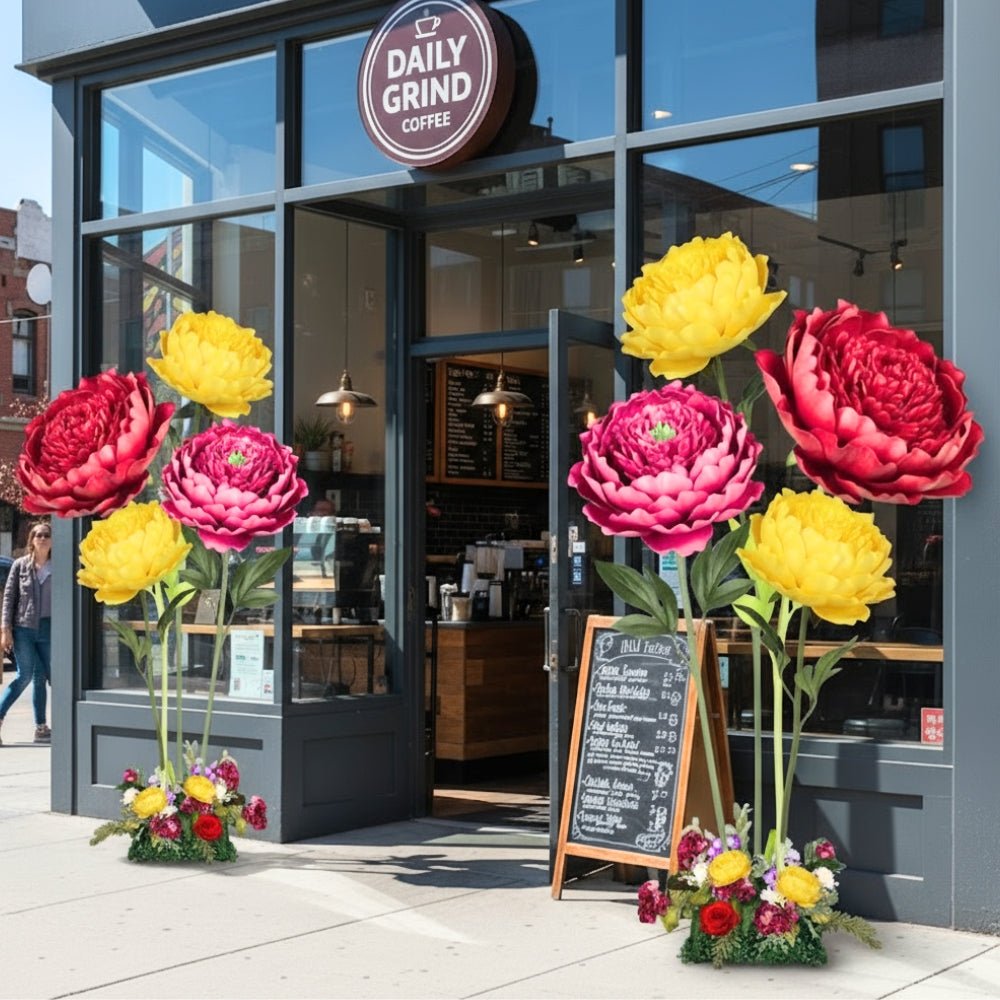
Unlike rigid PVC or wooden dowels, bendable pipe lets you curve your stem naturally. You can angle it slightly to one side, give it that gentle S-curve you see in real flowers, or point it forward so the bloom faces your camera perfectly for a photo op.
It's lightweight enough that it doesn't add crazy weight to your arrangement, but sturdy enough to hold a 5-foot foam flower upright. That balance is genuinely hard to find in other materials.
I've tested a lot of things over the years. Wooden dowels snap. Wire coat hangers buckle under weight. PVC is rigid and looks fake. Bendable pipe is the material I keep coming back to because it simply works.
Not all bendable pipe is created equal. Here's a breakdown of the main types you'll encounter and when to reach for each one.
Flexible aluminum conduit is my personal favorite for large flowers. It's sold at hardware stores like Home Depot and Lowe's, usually in the electrical section. It comes in diameters ranging from 1/2 inch to 1 inch and in lengths of 25 to 100 feet on a reel.
The corrugated ridges give it that perfect amount of resistance — it bends when you want it to, but doesn't flop around on its own. For flowers in the 3-5 foot range, this is what I reach for every single time.
These are the pre-wrapped versions — a metal core inside a foam or plastic sleeve. They look more finished right out of the package, which is great if you're in a hurry or want a cleaner look without extra wrapping steps.
The downside? They're typically sold in shorter lengths (12-24 inches), which limits you for floor-standing arrangements. I use these most often for smaller accent flowers or table centerpieces. You can find our bendable pipe stems in the shop if you want the ones I use personally.
Armature wire is what sculptors use, and it works beautifully for smaller flowers — think anything under 18 inches. It's thinner, more malleable, and easier to cut. But for anything large, it won't have enough rigidity to hold the flower upright.
These are the plastic cousins. Flexible PVC tubing bends with some effort and holds its shape reasonably well. It's cheaper than aluminum conduit but heavier and a bit less elegant to work with. I use it occasionally for outdoor installations where I need something more weather-resistant.
Before we get into the actual how-to, let me run through everything you'll want to have on hand. Nothing is worse than getting halfway through a project and realizing you're missing something.
According to Statista, the DIY home improvement and crafting market in the US is worth over $538 billion — and a huge chunk of that is people investing in the right tools for the job. Having the right supplies genuinely makes the difference between a flower that looks professional and one that looks like a school project.
Ok, this is where it gets really fun. I'm going to walk you through the exact method I use for attaching bendable pipe stems to EVA foam flowers. This works for freestanding flowers, arch builds, and bouquet-style arrangements.
Decide how tall you want your finished flower to be. For a floor-standing flower, I typically cut stems to 36-48 inches. For arch arrangements, shorter 18-24 inch stems work better since the arch itself provides the height.
Use your pipe cutter and score around the pipe slowly, tightening with each rotation. It takes about 60 seconds and gives you a clean, burr-free cut. Don't use scissors — they'll crush the pipe and leave a jagged edge.
This is the step most tutorials skip, and it's honestly the most important one. You need to create a secure connection between your foam flower center and the pipe.
Cut a strip of EVA foam about 4 inches wide and 6 inches long. Roll it tightly around the top 3 inches of your pipe and secure it with hot glue as you roll. This creates a foam sleeve that adds surface area for attaching the flower base.
Let it cool completely — at least 2 full minutes — before moving to the next step. Hot glue needs time to cure properly or it'll pull apart under the weight of the flower.
Your foam flower should have a circular base piece — this is what connects to the stem. Apply a generous ring of hot glue around the foam sleeve you just created, then press the flower base firmly down onto it.
Hold it steady with pressure for a full 60-90 seconds. I know it feels like forever, but this is what prevents the flower from spinning or drooping later. If you're working on a large flower (4+ feet), I also recommend adding a second ring of glue around the outer edge of the base for extra security.
Here's where the magic happens. With the flower attached, you can now gently bend the pipe to create your desired curve. Work slowly from the bottom of the stem upward, making gradual adjustments.
For a natural look, I like a slight 5-10 degree forward lean at the top so the flower faces the viewer rather than straight up at the ceiling. For arch builds, you'll curve the stems more dramatically to follow the arch shape.
The beautiful thing about bendable pipe is that if you don't like the angle, you just bend it again. You get as many do-overs as you need.
Now wrap the entire stem from top to bottom with green floral tape. Stretch the tape slightly as you wrap — this activates the adhesive and makes it stick to itself. Overlap each layer by about half the tape width.
This step does two things: it gives the stem a realistic, finished look, and it adds a layer of protection to the pipe. For a more polished finish, you can also wrap with green ribbon or fabric strips over the floral tape.
For freestanding flowers, you need a solid anchor. My go-to is a 5-gallon bucket filled with plaster of Paris or quick-set concrete. Insert the pipe while the plaster is still wet, hold it straight, and let it set for 24 hours.
You can then cover the bucket with fabric, moss, or decorative elements to hide it. For temporary setups, a foam block or weighted vase works too — just know it won't be as stable for very large flowers.
Once you've got the basic technique down, the possibilities genuinely open up. Here are some of my favorite applications that I've seen work beautifully at real events.
Giant foam flowers on a wedding arch look absolutely stunning, and bendable pipe stems are what make them possible. You can curve each stem to hug the arch frame, then wire-tie or zip-tie the pipe to the structure. Check out our guide to Giant Flower Wedding Arch for the full build process.
A Brides.com survey found couples spend an average of $2,000-$2,500 on wedding flowers. A DIY giant foam flower arch with bendable pipe stems costs a fraction of that — often under $300 for a full arch.
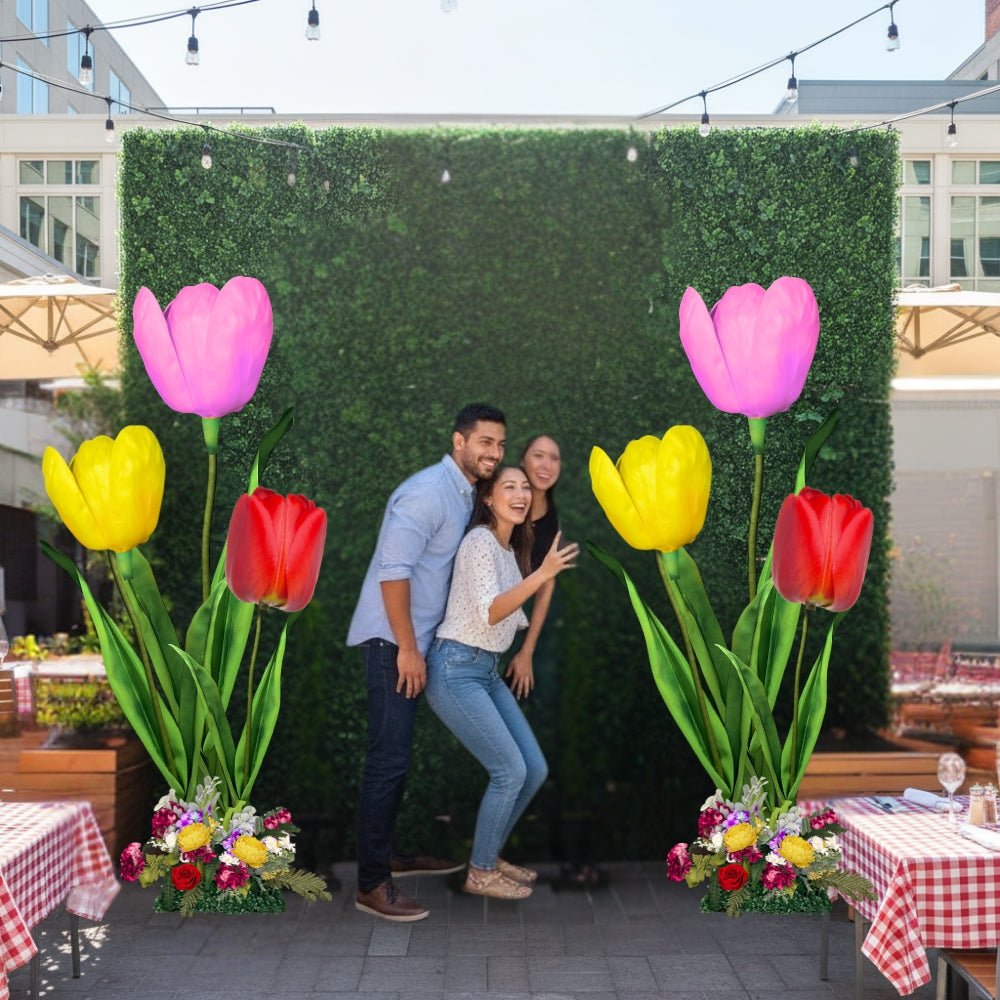
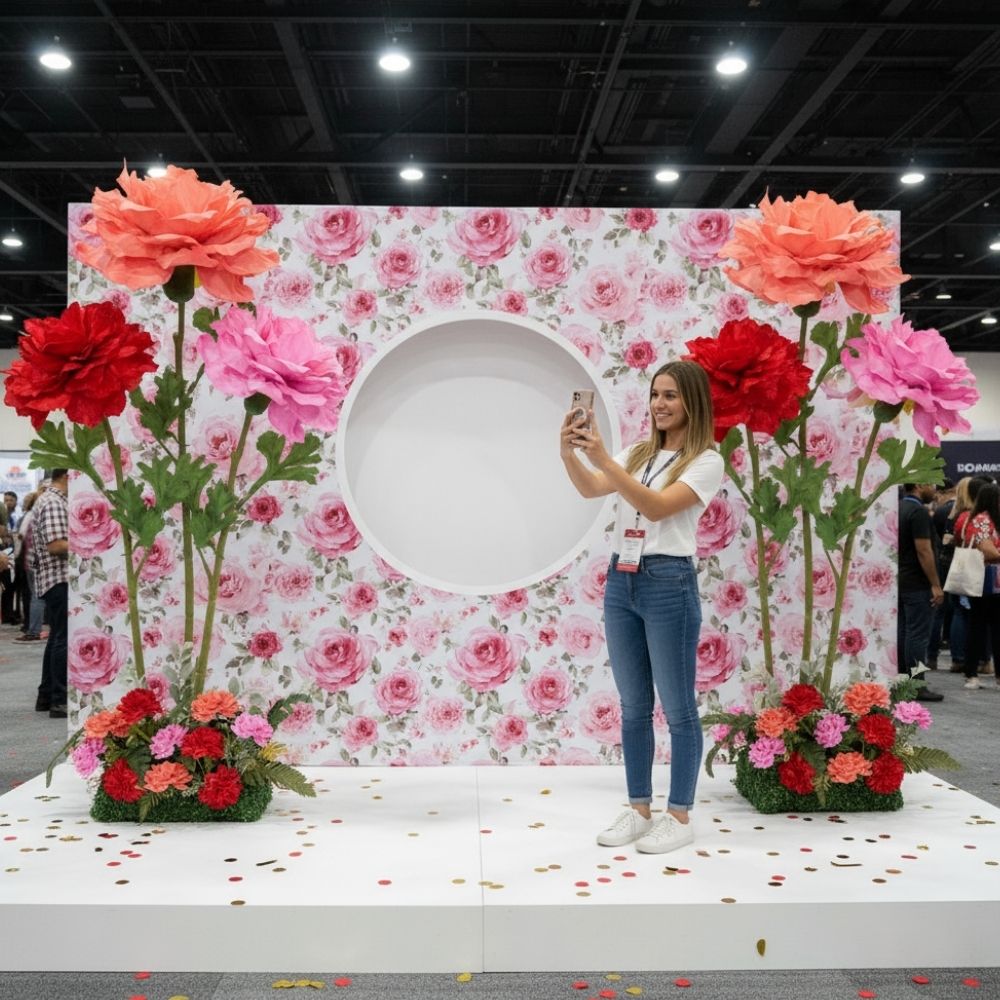
Bendable stems let you angle flowers at different heights and directions across a backdrop frame, creating that lush, layered look. Some stems curve left, some right, some straight up — it makes the whole thing feel organic rather than stiff.
For tips on building the backdrop itself, our DIY Giant Flower Backdrop for Photos guide walks through the whole setup.
This is the classic use case. A cluster of 3-5 flowers at varying heights — some at 4 feet, some at 3 feet, some at 2 feet — creates a gorgeous garden effect. The bendable stems let you tilt each flower slightly differently so they all face different directions, just like real flowers in a field.
For table centerpieces, shorter stems (12-18 inches) in a weighted base create a dramatic focal point without blocking sightlines. Our Giant Flower Centerpieces guide has tons of ideas for this.
Real talk? I've made all of these mistakes so you don't have to.
The stem is structural, but it should also look good. Here are some finishing ideas I love.
Cut leaf shapes from green EVA foam and attach them along the stem with hot glue. Position them at natural angles — leaves don't grow perfectly symmetrical, and the slight randomness makes them look real. You can even score the foam with a ballpoint pen to add vein texture.
If you're not wrapping with floral tape, you can paint the pipe directly. Acrylic paint works well on aluminum conduit with a primer coat first. Our post on Flawless Foam Board Paint Finishes has tips on getting smooth, even coverage that translate well to pipe surfaces too.
For weddings and formal events, wrapping the stem in satin or velvet ribbon instead of floral tape elevates the whole look. Secure the ribbon at top and bottom with a tiny dot of hot glue and wrap in a spiral pattern.
According to The Knot, oversized floral installations are one of the top wedding decor trends heading into 2026 — so the investment in getting your stems right is absolutely worth it.
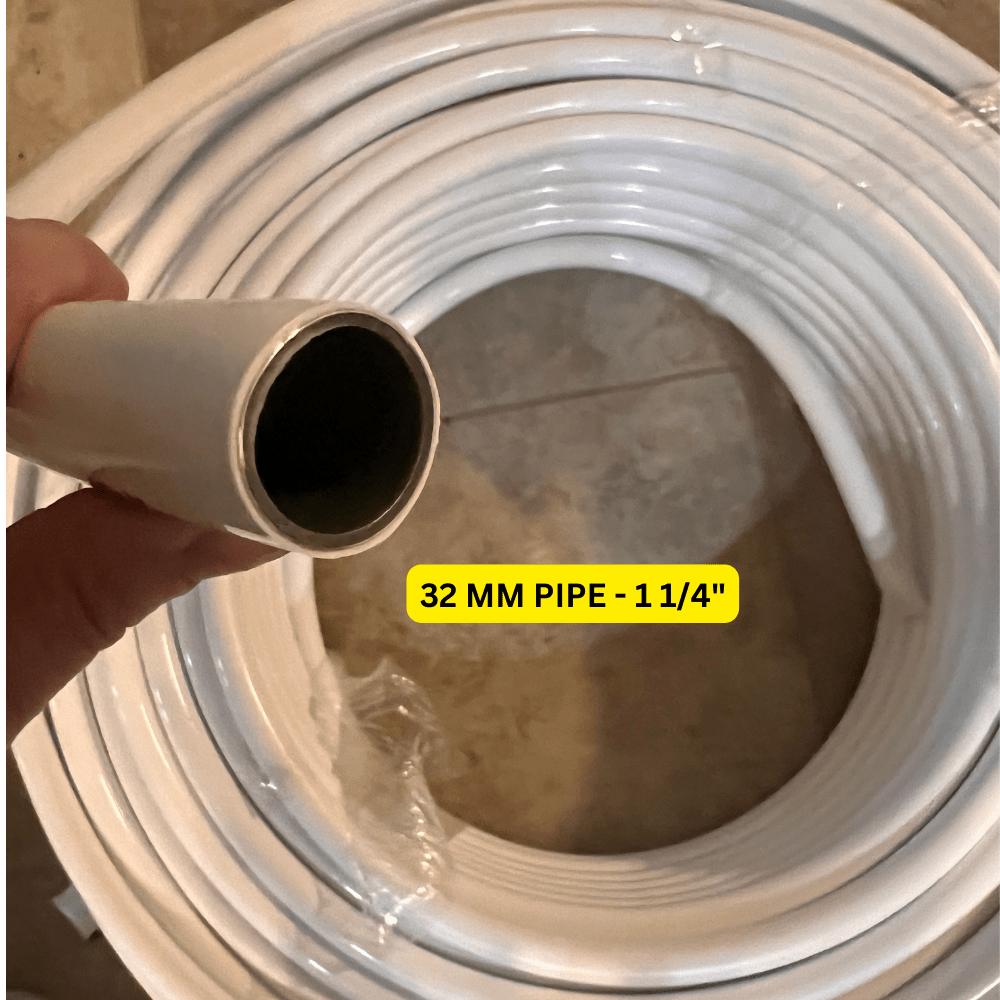
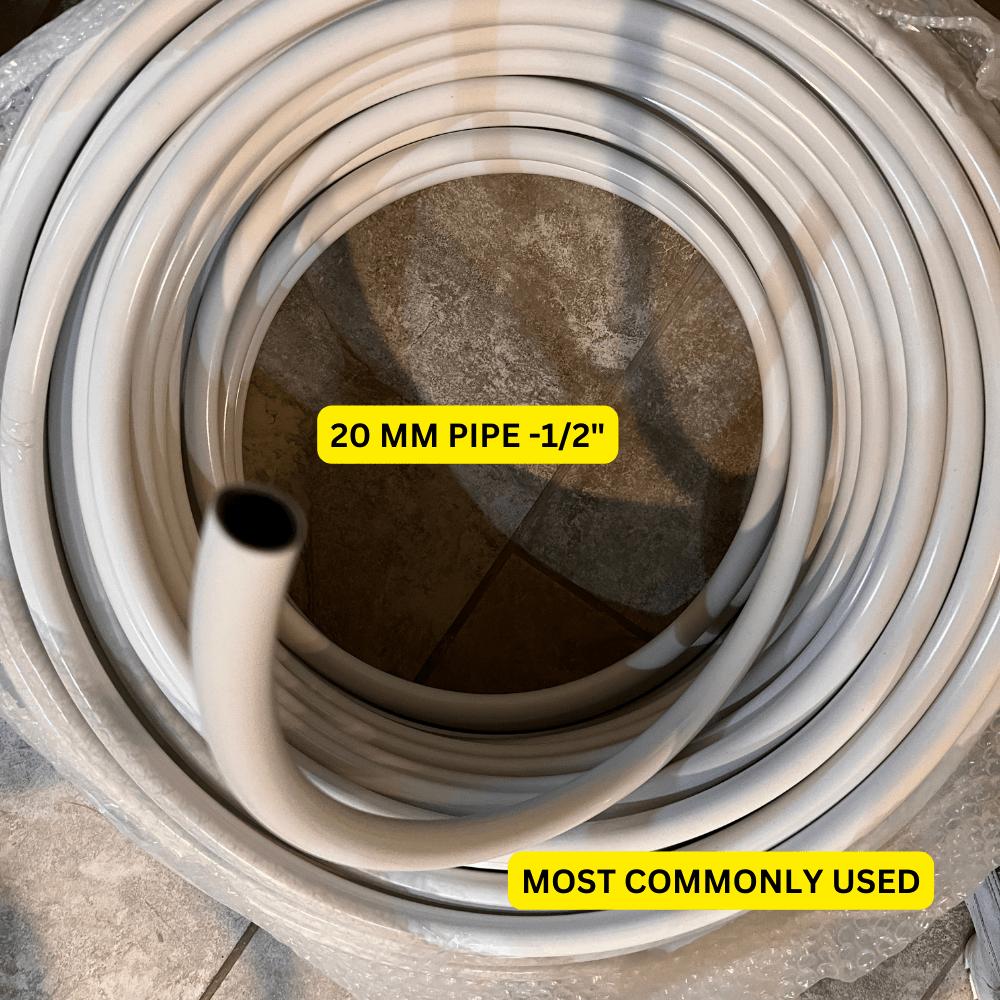
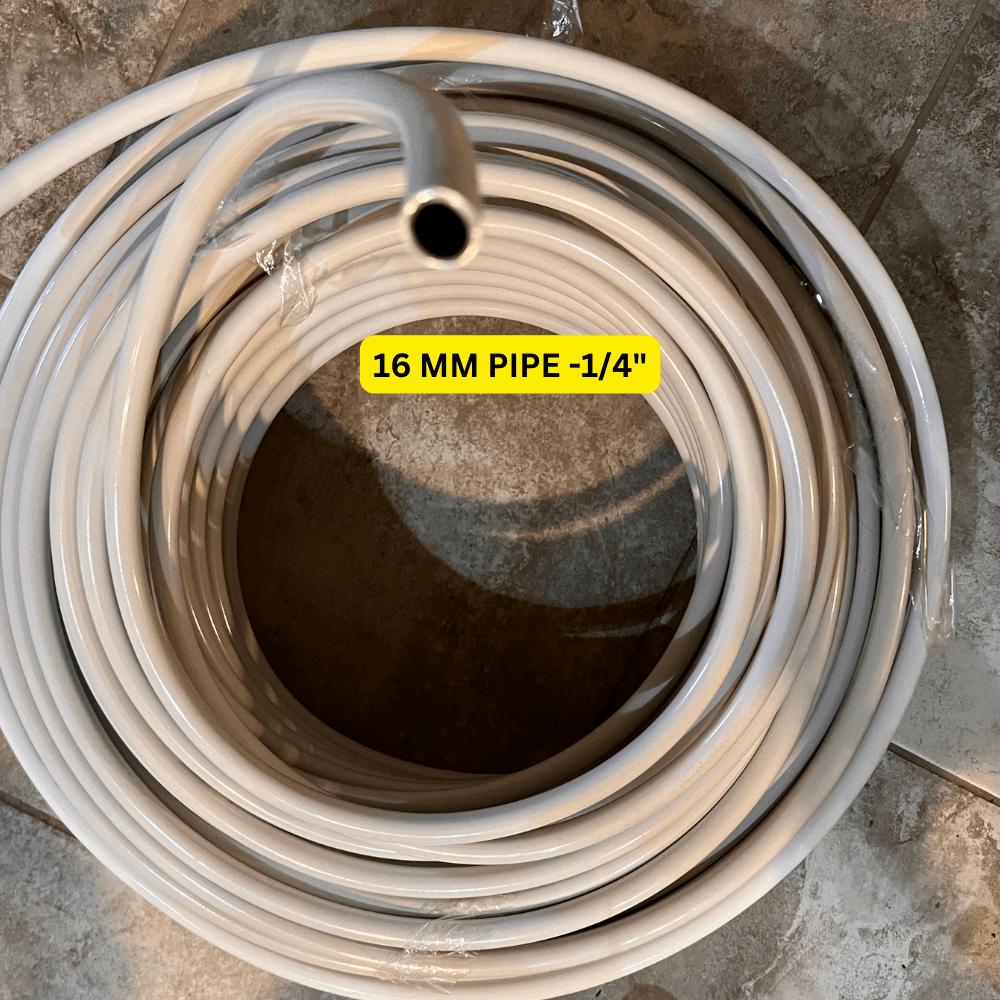
One question I get all the time is: what size pipe do I need for my flower? Here's my quick reference guide based on years of building these.
The HGTV design team has written about how oversized decorative elements create a sense of drama that smaller pieces simply can't achieve — and getting the structural support right is what makes those large-scale pieces possible in the first place.
You've got a few good options depending on what you need and how fast you need it.
According to IBISWorld, the US floral industry is worth $7.9 billion, and a growing segment of that is DIY and artificial floral — which means more suppliers are stocking the materials we need than ever before.
Flexible aluminum conduit in 1/2 inch diameter is my top recommendation for most giant foam flowers in the 2-4 foot range. It's strong enough to hold large blooms, flexible enough to shape, and widely available at hardware stores. For flowers 4-5 feet wide, step up to 3/4 inch conduit for extra rigidity.
For smaller accent flowers or table centerpieces, pre-wrapped foam-covered bendable stems are a convenient option that looks finished right out of the package.
Three things prevent drooping: the right pipe diameter for the flower size, a secure foam sleeve connection between the flower base and the pipe, and a heavy enough base to counterbalance the flower's weight. If your flower is still drooping after all that, try reinforcing the connection point with an additional ring of high-temp hot glue and let it cure fully before displaying.
Also check that you haven't over-bent the pipe near the top — a sharp kink right below the flower head is the most common culprit for drooping.
Absolutely — this is one of my favorite things about them. Aluminum conduit stems can be reused many times. After an event, carefully remove the floral tape, detach the flower (a heat gun on low can soften the hot glue), and re-bend the pipe to straight for storage. Then re-wrap and re-attach for your next event.
This is a huge cost advantage over fresh floral arrangements, which are single-use by definition.
How long should flower stems be for a floor-standing arrangement?
For a dramatic, eye-catching floor arrangement, I recommend stems between 36-48 inches tall for the tallest flowers, with shorter stems at 24-30 inches for variety. Varying the heights creates a natural, garden-like effect rather than a flat, uniform look.
Always account for however much of the stem goes into your base — if you're burying 6 inches in plaster, cut your pipe 6 inches longer than your desired finished height.
Can bendable pipe stems be used outdoors?
Yes, bendable pipe stems work beautifully outdoors! Aluminum conduit is naturally rust-resistant, so a little humidity or light moisture won't damage the pipe itself. Just keep in mind that EVA foam flowers are best suited for dry conditions — if rain is in the forecast, plan to bring them inside or cover them.
Choosing the Right Bendable Pipe
For outdoor events, I also recommend anchoring your base extra securely. Wind can catch a large flower like a sail, so a heavier base and a low, wide stance make all the difference in keeping everything upright and safe.
What glue works best for attaching the flower to the stem?
My go-to is a hot glue gun with silicone sticks — it bonds quickly, holds firmly, and is easy to remove with a heat gun on low when you're ready to take things apart. For an extra-strong connection, some crafters also use 369 glue, which creates a very durable bond on EVA foam surfaces.

Attaching Bendable Pipe To Foam Flowers
Both the hot glue gun with silicone sticks and 369 glue are sold separately from our kits. Whichever you choose, let the glue cure fully — at least 30 minutes — before putting any weight or tension on the joint.
Do your giant flower kits come with a base or stand?
Bases and stands are not included in our giant flower kits — they are sold separately. This is actually intentional, because the right base depends on your specific setup: a floor arrangement, a table centerpiece, and a backdrop installation all call for different anchoring solutions.
Securing Stems And Stable Bases
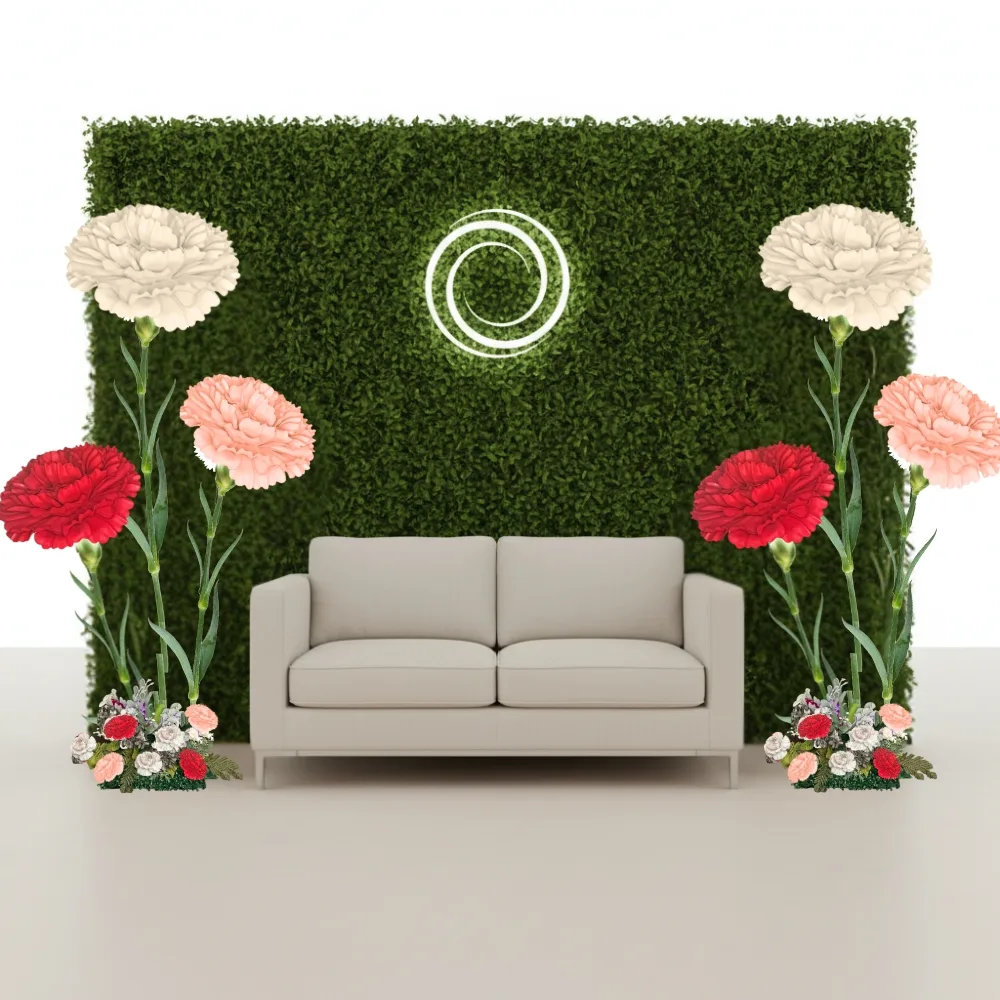
When you're ready to choose a base, think about the total weight of your flower plus stem, and whether the display will be indoors or outdoors. A heavier base is almost always the safer choice, especially for taller arrangements.
I hope this guide takes all the guesswork out of using bendable pipe for flower stems — because once you get comfortable with it, it genuinely opens up a whole new world of creative possibilities. Whether you're building a wedding arch, a photo backdrop, or a simple floor arrangement for a birthday party, the right stem makes your flowers look intentional, polished, and absolutely stunning. If you have questions along the way, don't hesitate to reach out — I love hearing what you're creating and helping you bring it to life!

Shop the supplies
Everything You Need for This Project

Written by
Adriana WellsFounder & CEO of Amazing Giant Flowers
Adriana Wells is the founder and creative force behind Amazing Giant Flowers, a Texas-based company specializing in handcrafted giant foam flowers, luxury floral installations, and DIY flower-making supplies.
More about Adriana →Ready to Create Something Amazing?
Browse our collection of giant flower kits and start your next project today.