Bendable Pipe Sizing: Which Thickness for Which Flower?
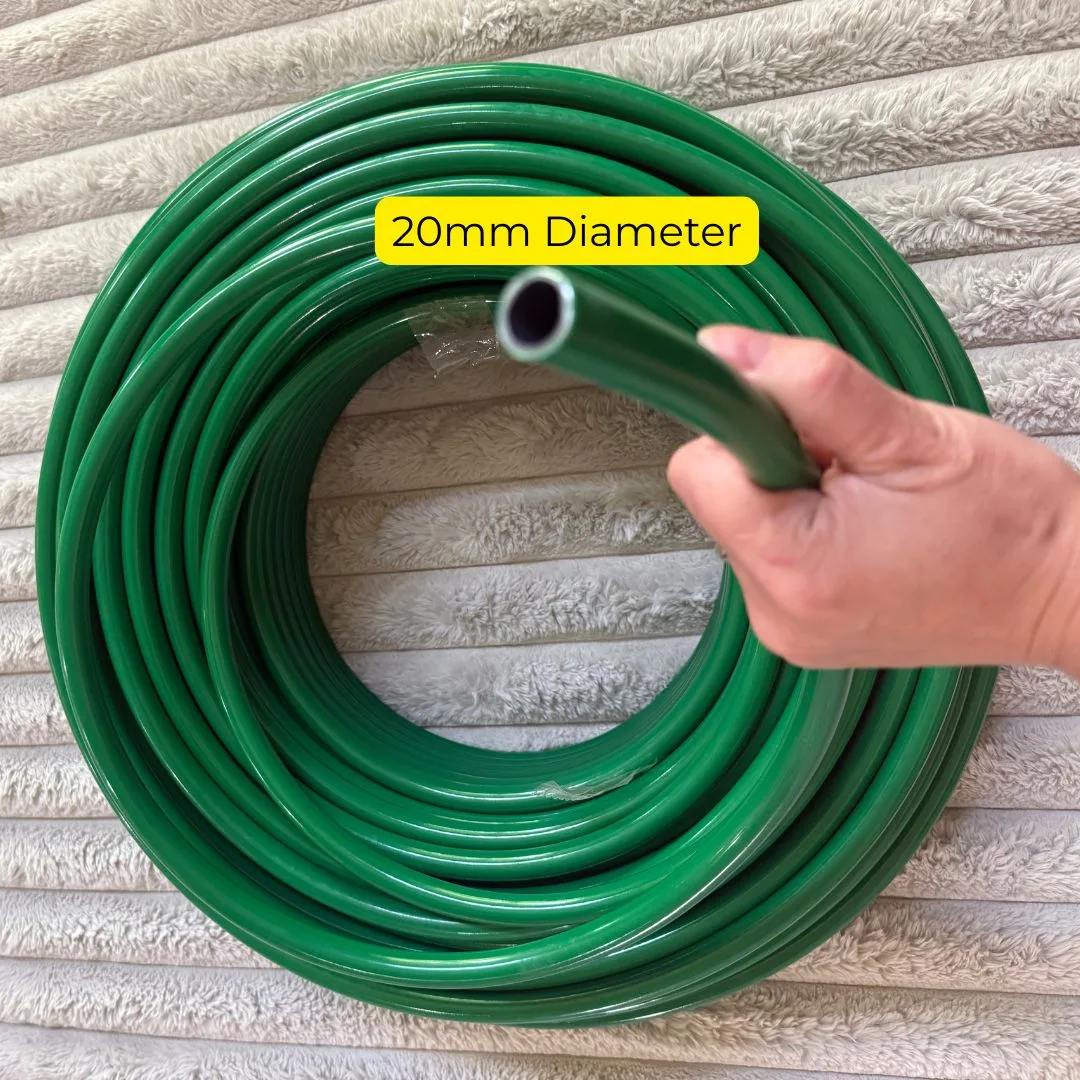
If you're new here, welcome! And if you just Googled something like "what size bendable pipe do I need for giant flowers" — oh friend, you are in exactly the right place. This bendable pipe size guide is the thing I wish existed when I first started making oversized blooms out of my garage in Houston. I had no idea what thickness to buy, ordered the wrong size twice, and wasted more money than I'd like to admit before I finally figured it out.
Here's the thing nobody tells you upfront: the pipe isn't just a stem. It's the whole structural backbone of your flower. Get the sizing wrong and your gorgeous 24-inch dahlia droops sideways by noon. Get it right and that same flower stands tall, holds its curve, and can be reshaped for your next event without a single complaint.
So let me break this down for you in plain English — no engineering degree required. Whether you're making one flower for a baby shower or building a full arch for a wedding, this guide is going to save you time, money, and a whole lot of frustration.
Key Takeaways
I know, I know. It looks like just a wire inside a plastic tube. How complicated can it be?
Pretty complicated, actually. The thickness of your bendable pipe determines three things: how much weight it can hold, how easily it bends and stays bent, and how natural your finished flower looks. A too-thin pipe under a heavy bloom will slowly bow and droop. A too-thick pipe under a delicate paper flower looks stiff and unnatural — like a flower on a broomstick.
When I first started teaching workshops, this was always the question that tripped people up. They'd focus so much on cutting petals and painting foam that they'd grab whatever pipe was nearby. Then they'd wonder why their display looked off. Nine times out of ten? It was the stem.
"The stem is the spine of your flower. Get it right and everything else falls into place — literally."
The Weight Equation
Think about it this way: a 20-inch paper flower might weigh just a few ounces. A 20-inch EVA foam flower with multiple layered petals and a foam center? That can easily hit half a pound or more. Same diameter, very different pipe needs.
If you're working with EVA foam, always size up one thickness from what you think you need. I say this from personal experience — and from watching a very beautiful foam peony slowly lean into a birthday cake at an event. Not my finest moment.
Ok, this is where it gets really fun. Let me give you the actual breakdown I use when I'm planning any project — from a single statement flower to a full installation.
For flowers in the 6–12 inch range, a 6mm pipe is usually perfect. These are your accent flowers — the ones that fill in gaps in an arch, cluster around a larger bloom, or sit in a small tabletop arrangement. They don't need much structural support because the bloom itself isn't putting a lot of stress on the stem.
The 6mm bends beautifully into tight curves, which is great if you want a whimsical, organic look with stems going in different directions. Very natural. Very pretty.
This is the range most people are working in, and honestly? 8–10mm is your best friend here. It's sturdy enough to hold a decent-sized bloom upright but still flexible enough to bend into graceful curves and arches without fighting you.
I use 10mm for probably 70% of my projects. If I had to pick one size to keep in stock at all times, that's the one. It's the workhorse of the collection.
Large and Statement Blooms (20+ Inches)
For anything over 20 inches — especially those dramatic 24–36 inch focal flowers — you want 12mm or thicker. These blooms are heavy, they catch air if you're doing outdoor events, and they need a stem that can handle the job without slowly giving up on you mid-event.
If you're building something like a giant flower wedding arch, I'd actually recommend using 12mm pipes for your large anchor blooms and 8–10mm for the supporting flowers around them. That combination gives you a display that's both dramatic and structurally sound.
💡 Pro Tip
Always cut your pipe a few inches longer than your intended stem length. You can always trim it down, but you can't add length back. I usually add 4–6 inches as a buffer, especially when I'm inserting the pipe into a base or weaving it through a frame.
Here's everything laid out side by side so you can make a quick decision without scrolling back and forth.
I touched on this above but let me really drive it home, because this is where first-time buyers get tripped up the most.
Paper flowers are lightweight and forgiving. Even a large paper bloom — say, 20 inches across — is usually light enough that an 8mm or 10mm pipe handles it beautifully. If you're building a large paper flower arch decoration, you can get away with mixing 8mm and 10mm pipes throughout and it'll look and feel great.
EVA foam is a different story. It's denser, heavier, and when you layer multiple petals plus a center piece, that weight adds up fast. Always size up when working with foam. A 16-inch foam flower that you might put on a 10mm pipe? I'd go 12mm just to be safe. You want that stem to hold position confidently, not slowly give in over the course of a 6-hour event.
If you're curious about the differences between foam and paper flowers in general, I wrote a whole breakdown in my post on foam flowers vs paper flowers — definitely worth a read before you commit to a material.
Fabric Flowers
Fabric flowers fall somewhere in the middle. Light silks and chiffons? Similar to paper. Heavier satins and layered fabrics with wire petal shaping? Treat them more like foam. When in doubt, go up a size. The worst that happens is you have a slightly stiffer stem. The best that happens is your flower stands perfectly all night.
🌸 Ready to find your perfect pipe?
Browse our full bendable pipe collection and grab exactly what your project needs. Not sure? Grab a variety — you'll use them all eventually, I promise.
Here's something a lot of guides skip over: the type of display you're building affects your pipe choice just as much as the flower size does.
If you're building freestanding giant flower arrangements, your pipe needs to do double duty — hold the bloom AND support itself within the base. For these, I always recommend going one size thicker than you think you need. The pipe is bearing the full weight of the flower with no wall or frame to lean on.
Our freestanding flower kits already account for this, but if you're sourcing pipes separately, keep this in mind.
For arches, you're weaving and bending pipes around a frame, so flexibility matters a lot. I typically use a mix: thicker pipes for the large focal flowers that sit at the top or center of the arch, and thinner pipes for the filler blooms that curve around the frame edges. This gives the arch visual depth and makes it much easier to shape.
Real talk? For hanging displays, you can often go thinner than you think because gravity is working with you, not against you. A 20-inch foam flower hanging from above needs less structural support from its stem than one standing upright on a base. Just make sure your attachment points at the top are secure — that's where the real engineering happens.
💡 Pro Tip
Bendable pipes hold their shape better when you bend them slowly and deliberately rather than all at once. Make gradual adjustments. If you try to force a sharp bend in one motion, especially with thicker pipes, you risk kinking the pipe and weakening it at that point. Slow and steady wins every time.
What to Buy When You're Just Starting Out
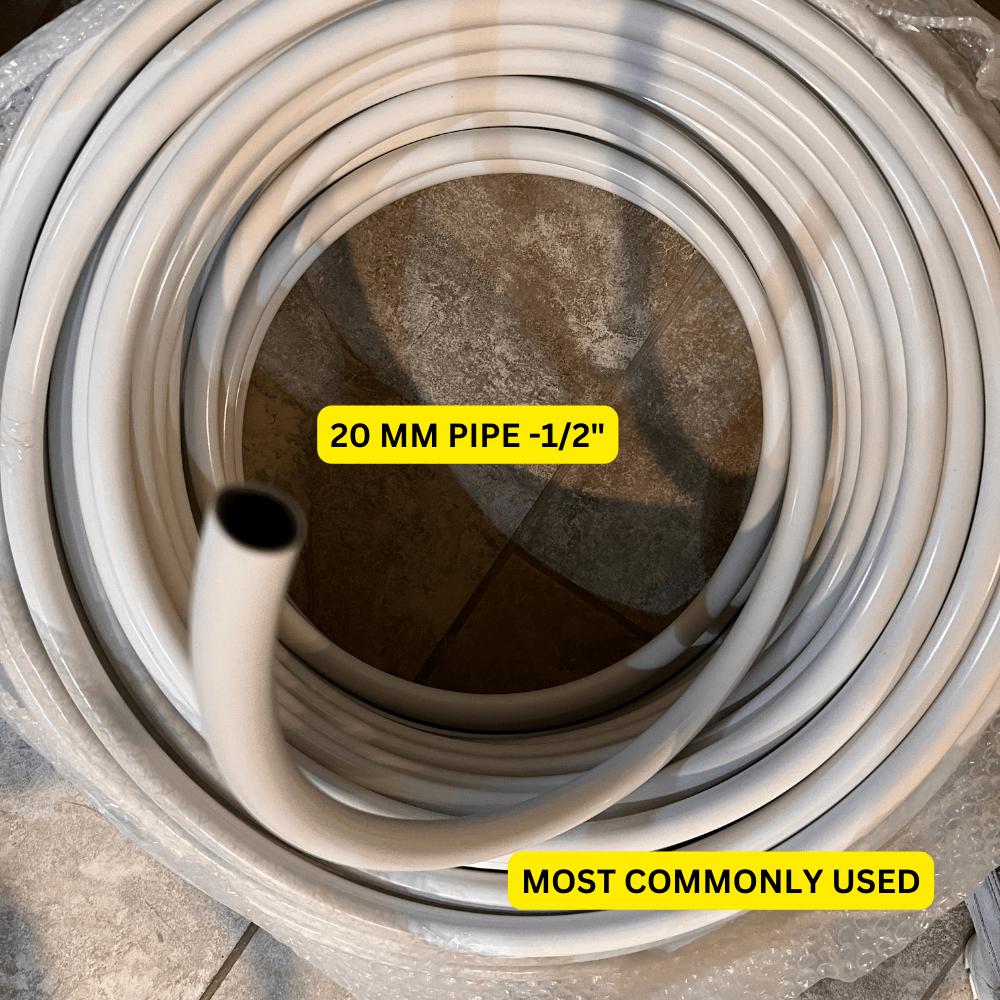
Ok, so you're brand new to this and you don't want to buy five different sizes and have a garage full of pipes you may or may not use. I get it. Here's what I'd actually tell a friend who was just starting out.
- Start with 10mm as your primary pipe. It works for the widest range of projects and it's the size I reach for first on almost every job.
- Add a pack of 6mm for accent flowers. Once you start making giant flowers, you'll want smaller ones to fill in gaps, and the 6mm makes those look natural and delicate.
- Grab a few 12mm pipes if you're planning any foam flowers over 20 inches. You don't need a whole pack — just a handful to support your statement blooms.
- Don't overthink it. Seriously. Start with 10mm, make your first few flowers, and you'll quickly develop an instinct for when you need to go up or down in size.
One of my students — a first-timer who was making flowers for her daughter's quinceañera — came to me completely overwhelmed by the pipe sizing question. I told her: grab 10mm, make three flowers, and then come back to me. She did. She never needed to ask again. Hands-on experience teaches you faster than any guide (including this one).
"Start with 10mm, make three flowers, and you'll never need to ask again — your hands will just know."
Frequently Asked Questions
Can I use the same bendable pipe for multiple events?
Absolutely — and this is one of my favorite things about them. Bendable pipes can be reshaped over and over without losing their integrity. I've got pipes I've used at dozens of events. Just reshape them to fit your new display, and they're good to go. That reusability is a huge part of what makes them worth the investment.
What if my flower droops even with the right pipe size?
A few things could be happening. First, double-check that your pipe is fully inserted into the flower's center — a loose connection at the attachment point is the most common culprit. Second, make sure the pipe length is appropriate for the height you're displaying at; a very long unsupported stem will always have some flex. Third, consider whether your bloom is heavier than you estimated — if so, size up to the next thickness.
Do bendable pipes work for outdoor events?
Yes, with some caveats. Outdoors means wind, and wind is the enemy of a top-heavy giant flower. For outdoor events, I always go one size thicker than I would indoors, and I make sure my base or anchor is extra secure. A 12mm pipe that holds beautifully inside might need a 14mm backup outdoors on a breezy day. Check the weather forecast and plan accordingly.
Can I cut bendable pipes to a shorter length?
Yes! A good pair of wire cutters or heavy-duty scissors handles this easily. I always recommend cutting after you've shaped the pipe to your display, not before — it's much easier to trim a finished stem than to try to add length back. Leave yourself a few
Ready to Create Something Amazing?
Browse our collection of giant flower kits and start your next project today.