Best EVA Foam for Flower Petals: What to Choose for Cleaner Cuts

Key Takeaways
- 2mm EVA foam is the sweet spot for most giant flower petals — flexible enough to curl, dense enough to hold shape.
- Smooth-finish foam cuts cleaner than textured foam; always check the surface before buying.
- Foam density (hardness rating) matters more than thickness alone — softer foam tears, denser foam shears cleanly.
- A sharp craft knife or hot knife dramatically outperforms scissors for clean petal edges regardless of foam type.
- Pre-cut kits (like ours at Amazing Giant Flowers) eliminate the guesswork entirely — every piece is already precision-cut for you.
Why EVA Foam Is the Go-To Material for Giant Flower Petals
Fresh flowers are gorgeous, but a Brides.com survey found that couples spend an average of $2,000–$2,500 on wedding flowers — and those flowers are gone in a week. EVA foam flowers last for years. That's why event planners, DIY brides, and commercial decorators keep coming back to this material.
The challenge is that not all EVA foam is created equal. I've bought sheets that looked identical on a product listing and got completely different results when I started cutting. So let's get specific.
Understanding EVA Foam Specs: What the Numbers Actually Mean
Thickness
Thickness is measured in millimeters and is the spec most beginners focus on. Here's a quick breakdown of what each thickness is actually good for:- 1mm EVA Foam: Ultra-thin and very flexible. Great for delicate inner petals, stamens, and detail work. Cuts easily but doesn't hold shape as well on larger pieces.
- 2mm EVA Foam: The workhorse. This is what I use most often for medium to large petals. It curls beautifully with a heat gun, cuts cleanly, and holds its shape.
- 3mm EVA Foam: Sturdier and better for base layers, large statement petals, and structural pieces. Requires a sharper blade for clean cuts.
- 5mm–6mm EVA Foam: Best for thick, dimensional center pieces or structural bases. Not ideal for delicate petal shapes — harder to cut cleanly without a hot knife.
- 8mm–10mm EVA Foam: Heavy-duty structural use only. I don't recommend this for petals at all.
Density and Hardness
This is the spec that most people overlook — and it's actually more important than thickness for cut quality. Density is usually rated in kg/m³ or described as "soft," "medium," or "firm." A denser foam has a tighter cell structure, which means your blade has something solid to shear through cleanly. Soft, low-density foam compresses under the blade and tears rather than cuts.Real talk? When I first started, I bought the cheapest foam I could find online. It was so soft that every cut left a fuzzy, dragged edge. I had to go back and trim each petal three or four times. Total nightmare. The moment I switched to a medium-density foam, my cut quality improved overnight.
Surface Finish
EVA foam comes in smooth finish and textured finish varieties. For flower petals, smooth finish is almost always better. Textured foam catches your blade slightly, which can create micro-tears along the edge. Smooth foam lets the blade glide, giving you that clean, professional edge.The Best EVA Foam for Flower Petals: A Type-by-Type Breakdown
Standard Craft EVA Foam Sheets (2mm, Smooth)
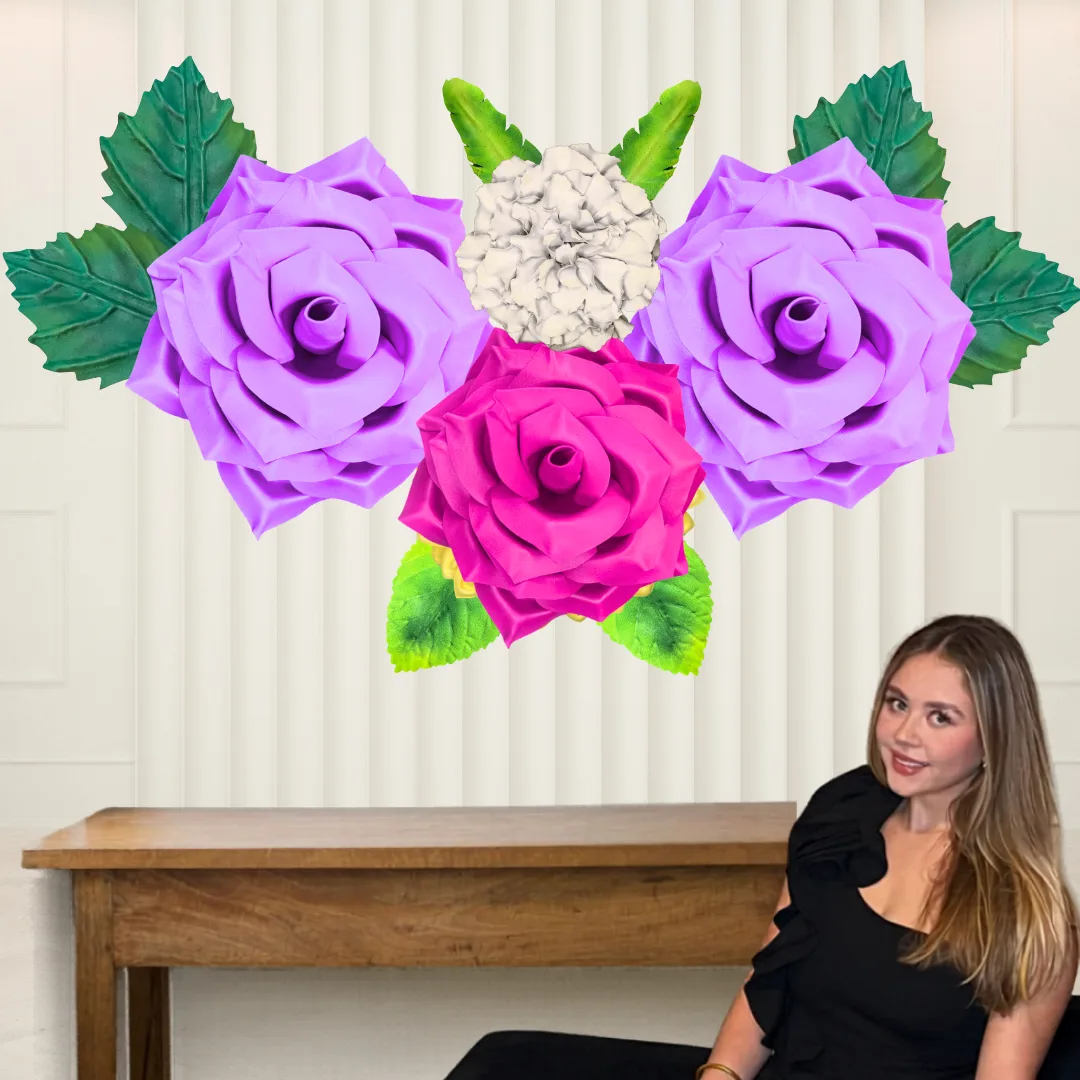
This is the most widely available type and, honestly, a solid starting point. You'll find these at craft stores, online retailers, and foam suppliers. Cut quality: Good to very good with a sharp blade. Smooth finish helps a lot. Heat response: Excellent. Curls and holds shape beautifully with a heat gun set to medium. Best for: Medium petals (8–16 inches), beginner to intermediate crafters, most flower types including roses, peonies, and dahlias. Watch out for: Quality varies wildly between brands. Always order a sample sheet before committing to a bulk purchase.High-Density EVA Foam (3mm–5mm, Firm)
This is what I reach for when I need structural petals that hold their shape even in outdoor settings or under stage lighting that generates heat. Cut quality: Excellent when using a sharp craft knife or hot knife. Scissors can work on 3mm but struggle at 5mm. Heat response: Slower to respond but holds its shaped curve much longer once set. Best for: Large statement petals (18–30 inches), outdoor events, commercial installations, freestanding flowers. Watch out for: Heavier weight means more support structure needed for freestanding arrangements.Glitter EVA Foam
I get asked about this one a lot. Glitter EVA foam has a sparkly surface laminated onto a standard foam base, and it looks stunning in photos. Cut quality: The glitter surface can cause minor edge drag. A hot knife gives the cleanest results here. Heat response: Be careful — high heat can damage the glitter surface. Use a lower heat setting and work quickly. Best for: Accent petals, photo booth backdrops, holiday décor, any application where sparkle is the point. Watch out for: Glitter can shed during cutting. Work in a well-ventilated space and wear a mask.Metallic EVA Foam
Metallic foam has a foil-like finish and is absolutely gorgeous for upscale events. I've used it for Dolce & Gabbana installations and the effect is unreal. Cut quality: Very clean with a sharp blade. The metallic surface is smooth and doesn't drag. Heat response: Similar to standard foam, but the metallic finish can show heat marks if you're not careful. Use a silicone shaping tool rather than direct finger pressure after heating. Best for: Luxury events, commercial brand activations, fashion shows, high-end weddings. Watch out for: More expensive per sheet. Save it for the pieces that will actually be seen up close.Soft/Low-Density EVA Foam (Budget Sheets)
Honestly? I'd avoid these for petals. They're fine for packaging or padding, but for clean cuts on flower shapes, the soft cell structure is your enemy. Cut quality: Poor. Edges compress and tear rather than shear cleanly. Heat response: Inconsistent. Can warp in unexpected ways. Best for: Nothing flower-related. Save yourself the frustration.EVA Foam Comparison Table: Finding Your Best Match

| Foam Type | Thickness | Cut Quality | Heat Response | Best Use | Skill Level |
|---|---|---|---|---|---|
| Standard Craft EVA (Smooth) | 2mm | ⭐⭐⭐⭐ | Excellent | Medium petals, roses, peonies | Beginner–Intermediate |
| High-Density EVA (Firm) | 3mm–5mm | ⭐⭐⭐⭐⭐ | Good (slower) | Large petals, outdoor, commercial | Intermediate–Advanced |
| Glitter EVA | 2mm | ⭐⭐⭐ | Good (low heat) | Accent petals, holiday, photo booths | Intermediate |
| Metallic EVA | 2mm | ⭐⭐⭐⭐⭐ | Good (careful) | Luxury events, fashion, branding | Intermediate–Advanced |
| Soft/Budget EVA | Varies | ⭐ | Inconsistent | Not recommended for petals | Any (avoid) |
Cutting Tools That Make or Break Your Results
Sharp Craft Knife (Best All-Around)
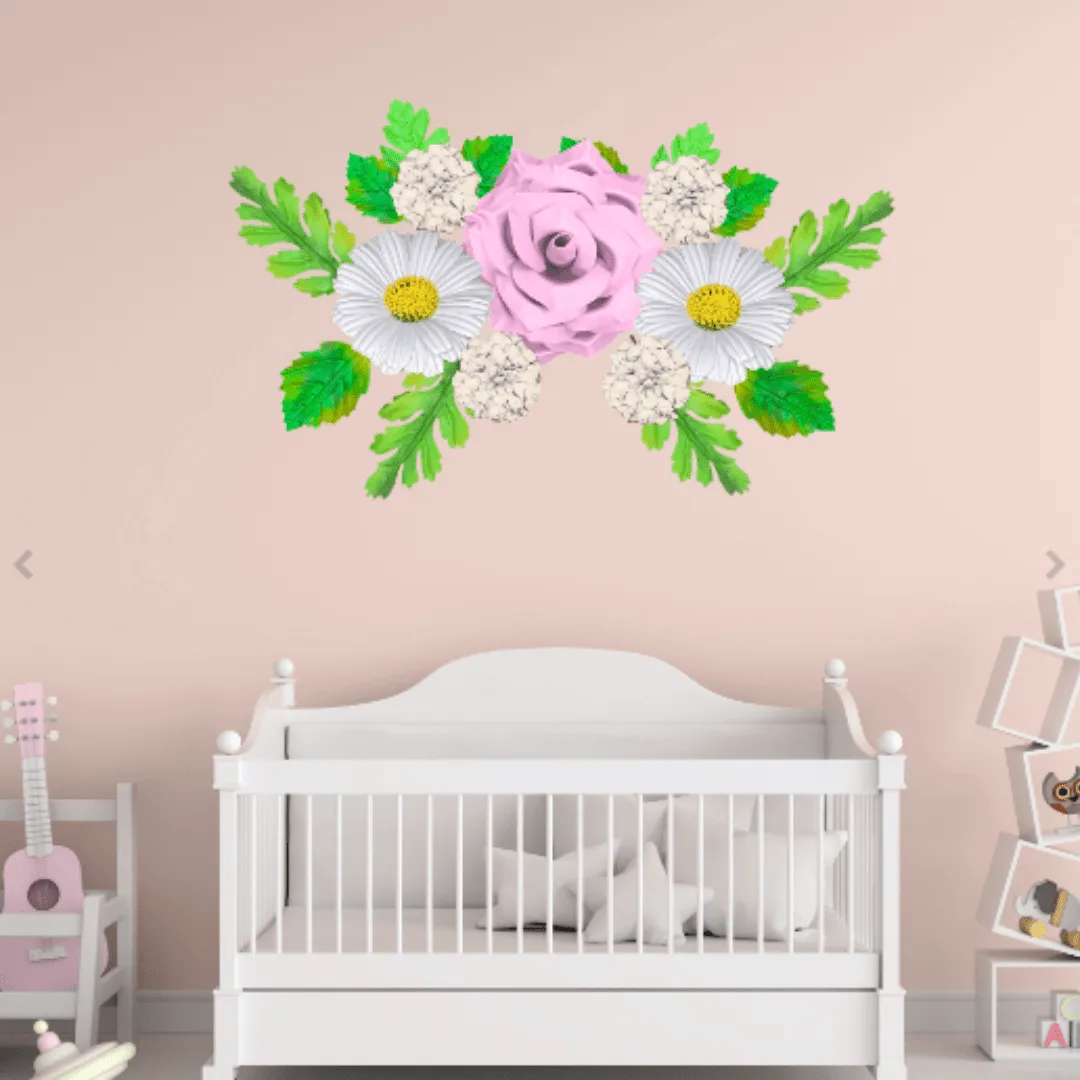
A sharp craft knife with a fresh blade is my everyday go-to. The key word is sharp — a dull blade drags and compresses the foam instead of slicing through it. I replace my blades more often than most people think is necessary. It's worth it.Use a cutting mat underneath and a metal ruler for any straight lines. For curved petal shapes, freehand cutting works well once you've practiced a bit. You can check out our post on the best way to cut foam for a full technique breakdown.
Hot Knife or Foam Cutter
A hot knife or electric foam cutter is a game-changer for thicker foam (3mm and above) and for glitter or specialty finishes. The heat melts through the foam rather than cutting it mechanically, which produces an incredibly smooth, sealed edge. Downside: Hot knives produce fumes. Always work in a well-ventilated space or outdoors.Scissors
Scissors work fine for 1mm–2mm foam and simple petal shapes. Use fabric scissors or dedicated craft scissors — never your kitchen scissors. Sharp blades matter just as much here. For anything above 2mm or any complex curved shape, I'd switch to a craft knife. Scissors on thick foam is a recipe for hand fatigue and uneven edges.Cricut or Die-Cut Machines
If you're making a lot of flowers — like, a full bundle of 10–12 blooms — a cutting machine is a serious time-saver. A Cricut Maker can cut through 2mm EVA foam with the right blade settings. The precision is unmatched for repeating the same petal shape perfectly.For more on using machines in your craft workflow, our guide on flawless foam board paint finishes covers some of the same prep principles that apply here.
How Foam Choice Affects Painting and Finishing
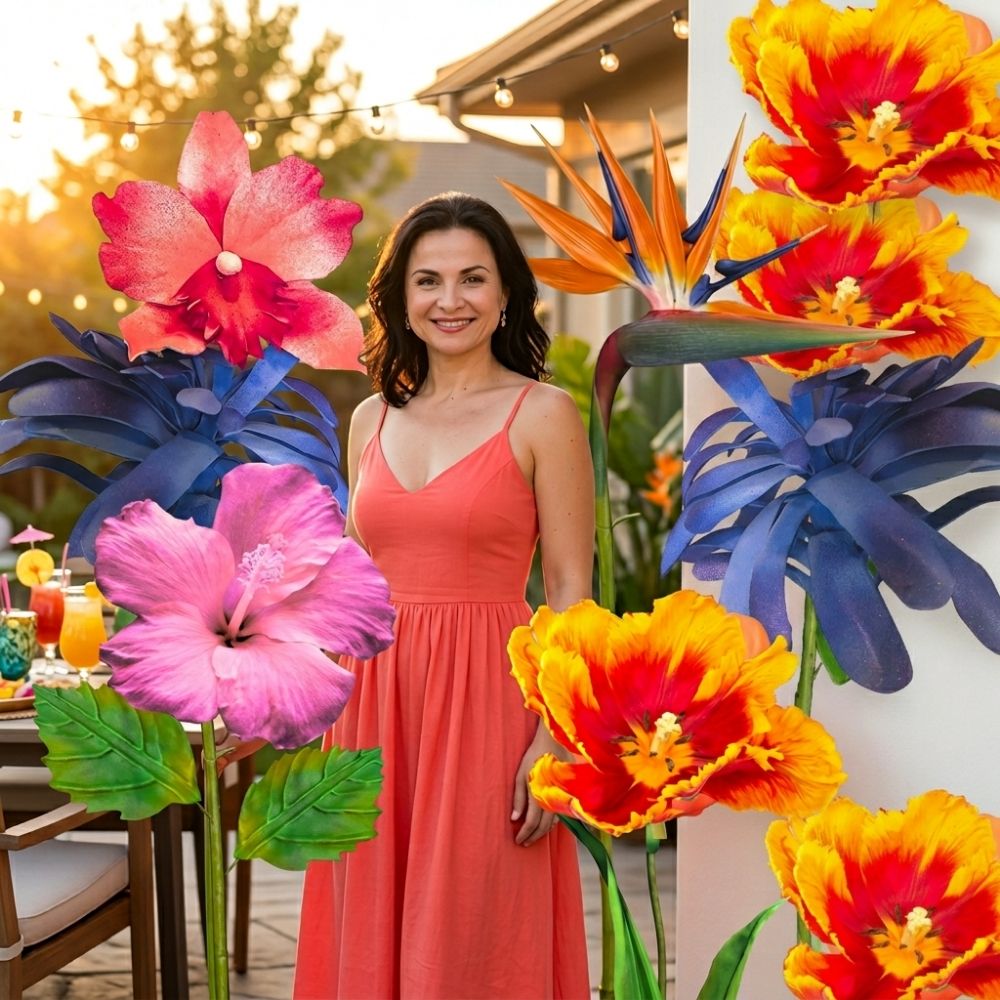
Textured EVA foam grabs paint more readily but can look uneven up close. It's fine for large-scale installations viewed from a distance, but for anything that guests will see up close, smooth is better.
According to Martha Stewart's craft guides, acrylic paint is the recommended choice for foam surfaces — it's flexible, dries quickly, and won't crack as the foam moves. I agree completely. For our giant flowers, we always use acrylic or latex-based paint.
For a deep dive into painting techniques, check out A Crafter's Guide To Painting On Foam Core — a lot of those principles translate directly to EVA foam work.
Buying EVA Foam: What to Look For (and What to Avoid)
- Consistent thickness: Good foam suppliers will have consistent thickness across the entire sheet. Cheap foam can vary by 0.5mm or more, which throws off your petal proportions.
- Smooth, uniform surface: Run your hand across the sheet. It should feel consistently smooth with no rough patches or surface pitting.
- Firm resistance: Press your thumb into the sheet. Medium-density foam should push back and spring back to shape immediately. If it stays compressed, it's too soft for clean cutting.
- Color consistency: Especially important if you're making multiple flowers. Cheap foam can have color variation across a batch.
- Reputable supplier: Order samples first. Any good supplier will offer sample sheets. If they don't, that's a red flag.
According to Statista, the US craft supplies market is valued at over $44 billion — which means there are a LOT of foam suppliers competing for your dollar. Not all of them prioritize quality. Do your homework.
If you want to skip the sourcing headache entirely, our shop at Amazing Giant Flowers carries the exact EVA foam sheets I use in my own studio — pre-vetted for thickness, density, and surface quality. We also carry bendable pipe stems and everything else you need to build a complete flower.
When to Skip Cutting Altogether
That's exactly why we designed our pre-cut Giant Flower Kits. Every petal is precision-cut from high-quality EVA foam, packaged with video tutorials, and ready to assemble. You still get the joy of building something beautiful with your hands — without the frustration of figuring out foam specs and blade angles from scratch.
Our kits start at around $80 for freestanding single flowers and go up to $600 for full bundle kits of 8–12 flowers. Compare that to fresh floral arrangements for events — The Knot reports that wedding floral budgets average $1,500–$3,000 for flowers that last a single day. Our foam flowers last for years.
For inspiration on what's possible with pre-cut kits, take a look at our Giant Foam Flowers for Wedding Arch guide — the results are genuinely stunning.
Frequently Asked Questions
What thickness of EVA foam is best for flower petals?
2mm EVA foam is the most versatile thickness for flower petals. It's flexible enough to curl with a heat gun, dense enough to hold its shape, and easy to cut cleanly with a sharp craft knife or scissors. For larger structural petals (18 inches and above), stepping up to 3mm gives you better stability.
Can I use a Cricut to cut EVA foam for flower petals?
Yes! A Cricut Maker with the Knife Blade or the Deep-Cut Blade can cut through 2mm EVA foam very effectively. This is a fantastic option if you're making multiple identical flowers and want perfectly consistent petal shapes. Make sure your foam sheet is no thicker than 2mm for the best results with a Cricut.
Why are my EVA foam petal cuts coming out ragged?
Ragged cuts are almost always caused by one of three things: a dull blade, foam that's too soft and low-density, or cutting too slowly and letting the blade drag. Replace your blade, switch to a medium-density foam, and try using a single confident stroke rather than sawing back and forth. A hot knife is also worth trying for thicker foam — it eliminates the mechanical drag entirely.
Is EVA foam or paper better for giant flower petals?
For giant flowers (2 feet and above), EVA foam is significantly better than paper. Paper — even heavy cardstock or crepe paper — doesn't hold its shape at large scales, is sensitive to humidity, and can't be heat-shaped into realistic curves. EVA foam is durable, weather-resistant, and produces a dimensional, professional-looking petal that holds up over time. For a full breakdown of material options, check out our guide on every type of foam for giant flowers.
How do I get EVA foam petals to hold their curved shape?
Use a heat gun on medium setting and gently warm the petal while cupping it in your hands or over a rounded form (a bowl works great). Hold the shape for 15–20 seconds while it cools. The foam will set in that position. Higher-density foam holds its shape longer after setting, which is why I recommend it for large petals that need to stay open over the course of a long event.
Where can I buy quality EVA foam sheets for flower making?
You can find EVA foam sheets at craft stores, cosplay suppliers, and online marketplaces — but quality varies a lot. I always recommend ordering a sample first. At Amazing Giant Flowers, we carry the exact foam sheets I use in my own studio, pre-vetted for thickness consistency, surface quality, and heat response. It takes the guesswork out of sourcing.
Choosing the best EVA foam for flower petals doesn't have to be overwhelming. Start with 2mm smooth-finish, medium-density foam, pair it with a sharp craft knife, and you'll be amazed at the difference in your cut quality from day one. And if you want to skip straight to the fun part — building and assembling — our pre-cut kits at Amazing Giant Flowers are designed exactly for that. Every sheet is already cut, every petal is ready to shape, and we've got video tutorials walking you through every step. I'd love to see what you create. Come find us and show me your finished flowers!
Ready to Create Something Amazing?
Browse our collection of giant flower kits and start your next project today.