Craft Foam Roll: The Complete Guide
If you've ever picked up a craft foam roll and thought, "okay, but what do I actually do with this?"— you're in the right place. I've been working with EVA foam for years, building everything from giant statement flowers for brand activations to cosplay armor pieces, and I can tell you: this material is one of the most versatile, forgiving, and genuinely fun craft supplies you'll ever get your hands on.
Whether you're a cosplayer building your next convention look, a decorator prepping for a wedding or quinceañera, or a crafter who just loves making beautiful things — a good craft foam roll is your new best friend. And I mean that. Once you learn how to choose the right thickness, shape it properly, and finish it beautifully, you'll wonder how you ever crafted without it.
So let me walk you through everything. Choosing, shaping, gluing, painting — the whole deal. No fluff, just the real stuff I've learned from hundreds of projects.
Key Takeaways
EVA stands for ethylene-vinyl acetate — which sounds very science-y, but all you really need to know is that it's a closed-cell foam that's lightweight, flexible, and incredibly easy to work with. It comes in flat sheets and rolls, and it's the backbone of so many creative projects.
It's not the same as craft foam sheets you'd find in a dollar bin. Quality EVA foam rolls have a consistent density, a smooth surface that takes paint well, and enough flexibility to be shaped without cracking. That difference matters — a lot — especially when you're investing time in a big project.
Why crafters, cosplayers and decorators all love it
Real talk? EVA foam is the rare material that works beautifully across totally different creative worlds. Cosplayers use it for armor, shields, and props. Decorators use it for giant flowers, wall art, and event backdrops. Classroom crafters use it for everything from holiday decorations to science fair displays.
It's also worth knowing that 63% of US households participated in at least one creative or craft activity in a year, and the creative products industry was valued at $43 billion — according to the Association for Creative Industries. We are a crafting nation. And EVA foam is right at the center of that.
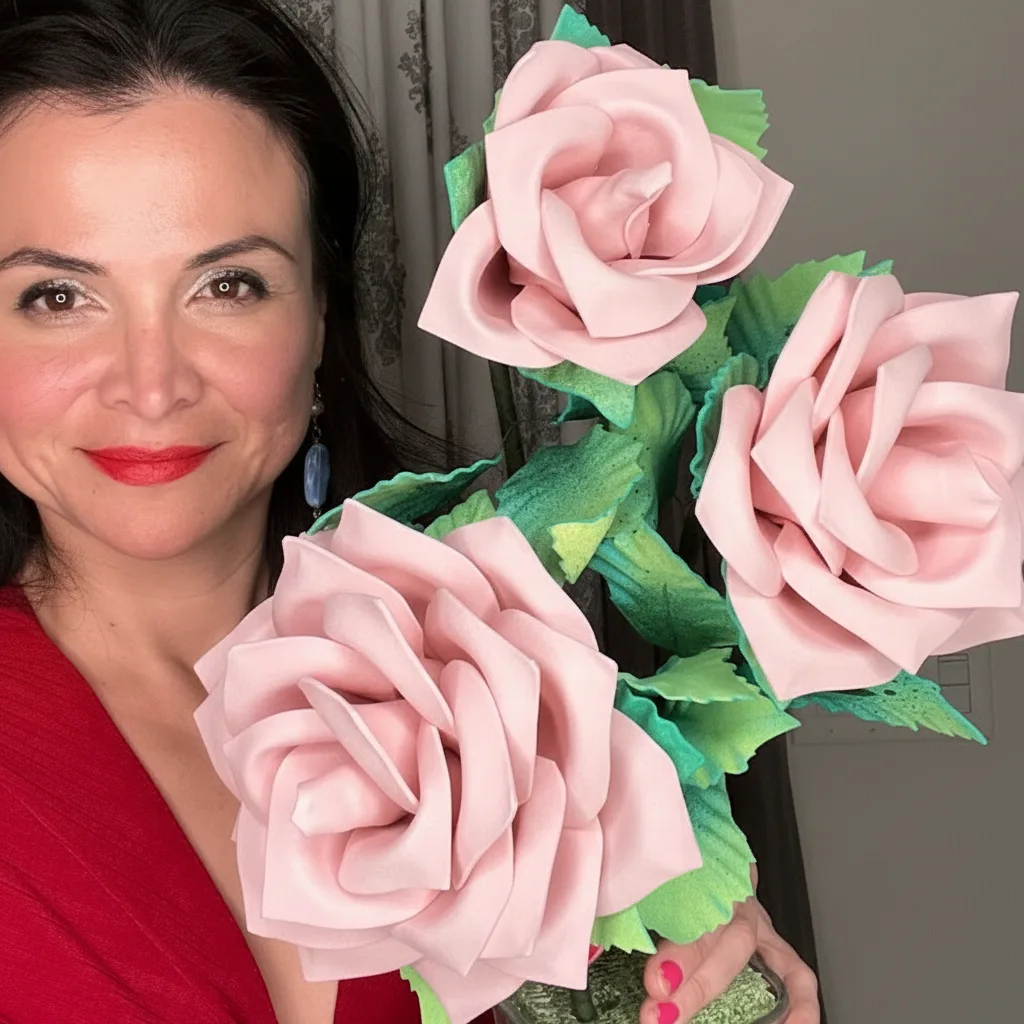
This is honestly where most beginners go wrong. They grab whatever's available and then wonder why their petals look stiff or their armor feels floppy. Thickness is everything.
I always tell people: buy more than you think you need. Running out mid-project is the worst feeling, especially if you're color-matching.
We carry rolls in several sizes. The 27" x 36" craft roll at 1.5mm starts at $9.99 and is perfect for smaller projects. If you're going big, the 55" x 100" roll at 3mm is $145.00 and it is a serious workhorse for giant flower builds and large cosplay projects.
🌸 Ready to find your roll?
Browse our full EVA foam collection — rolls, sheets, and color packs all in one place.
Scissors work fine for thin foam (1.5mm–2mm). But for anything thicker, or for really precise cuts, a sharp craft knife or box cutter with a fresh blade is the move. Dull blades drag and tear — and that's how you end up with jagged edges that take forever to clean up.
A cutting mat underneath protects your table and gives you a stable surface. I also love using printed or digital templates pinned or taped to the foam for consistent petal shapes — especially when I'm making multiples. Check out our digital flower templates if you want a head start on petal patterns.
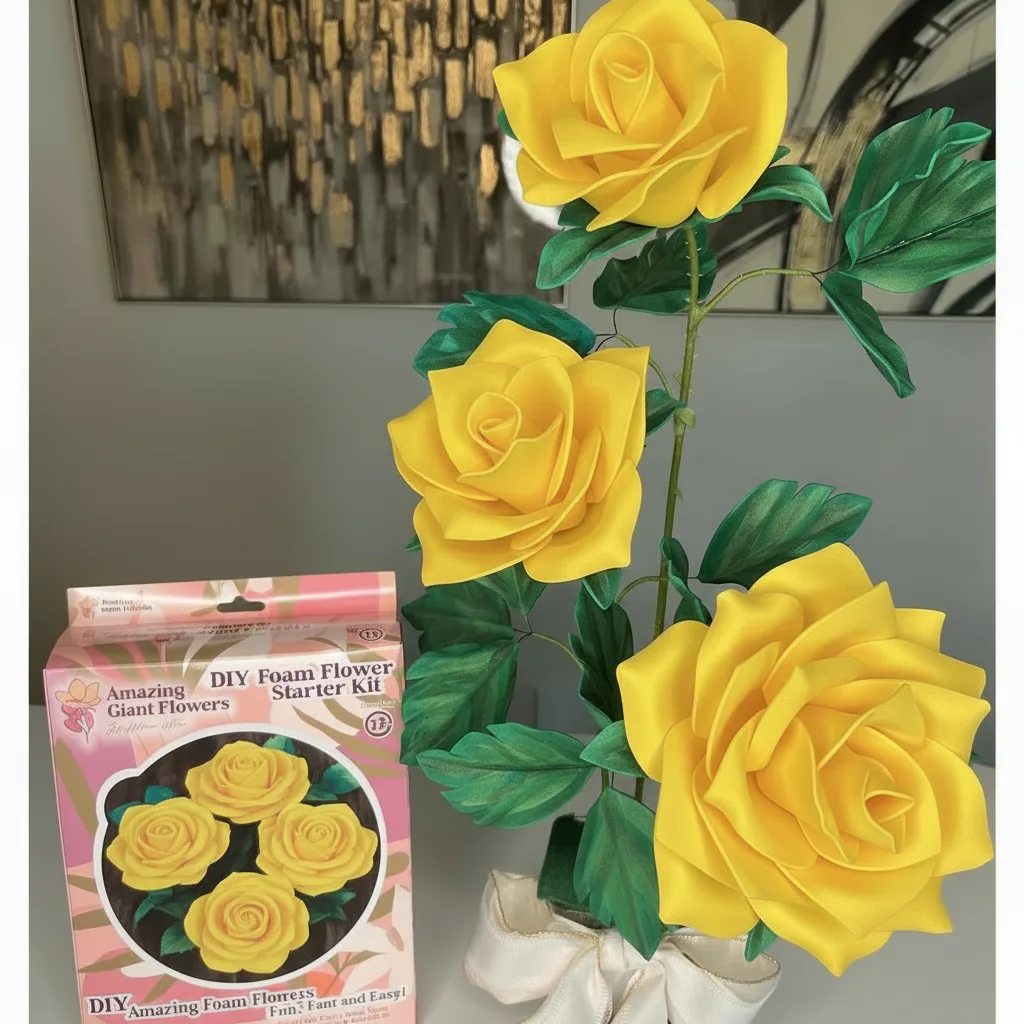
Keeping your edges clean
Here's a little trick: after cutting, run your fingertip lightly along the edge. If it feels rough, a quick pass with fine-grit sandpaper smooths it right out. For thicker foam, you can also use a heat gun briefly on the edge to seal and smooth it. I go deep on cutting techniques in The Best Way to Cut Foam for Flawless DIY Crafts — definitely worth a read before you start your project.
💡 Pro Tip
Always cut EVA foam with the smooth side up. The textured underside can cause your blade to skip. One smooth, confident pull of the knife beats multiple short strokes every time.
Ok, this is where it gets really fun. EVA foam becomes soft and pliable when heated, and it holds whatever shape you give it once it cools. That's the magic of this material.
For giant freestanding and wall flower projects, I shape petals using a heat gun, an iron, or a flat grill. For life-size craft flowers and flower molds, a hair styler or a heat gun does the job beautifully. Each tool gives you slightly different control — heat guns are great for broad shaping, while a hair styler lets you get into tighter curves.
To dome a petal, heat the foam evenly and press it over a rounded surface (a ball, a bowl, your hand) and hold it until it cools. To curl an edge, heat just the tip of the petal and roll it around a dowel or your finger. To create a center crease, heat the center line and fold gently, holding the angle until cool.
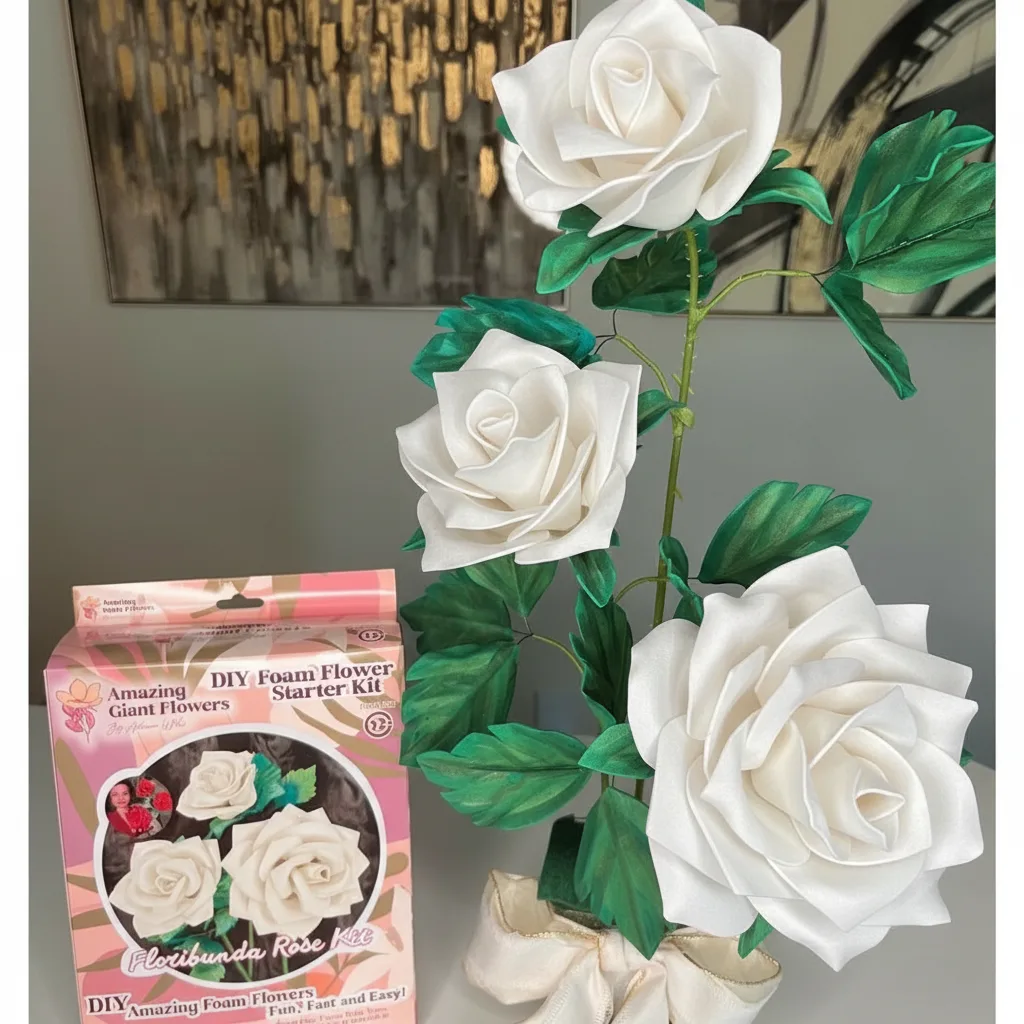
I cover all of this in detail in Heat Gun Techniques: Shaping Foam Flower Petals Like a Pro — it's one of my most popular posts for good reason.
"EVA foam doesn't fight you — it follows you. Heat it, shape it, let it cool. That's the whole secret."
Gluing EVA Foam: What Actually Holds
The two glues I trust
I've tested a lot of adhesives over the years. A lot. And I keep coming back to two: 369 instant glue and a hot glue gun with silicone glue sticks. Both work, but they shine in different situations.
369 glue ($6.90 at our shop) gives you a super strong, clean bond with almost no visible seam. It's my go-to for precision work — attaching petal layers, securing details on cosplay pieces, anything where you want the glue to disappear.
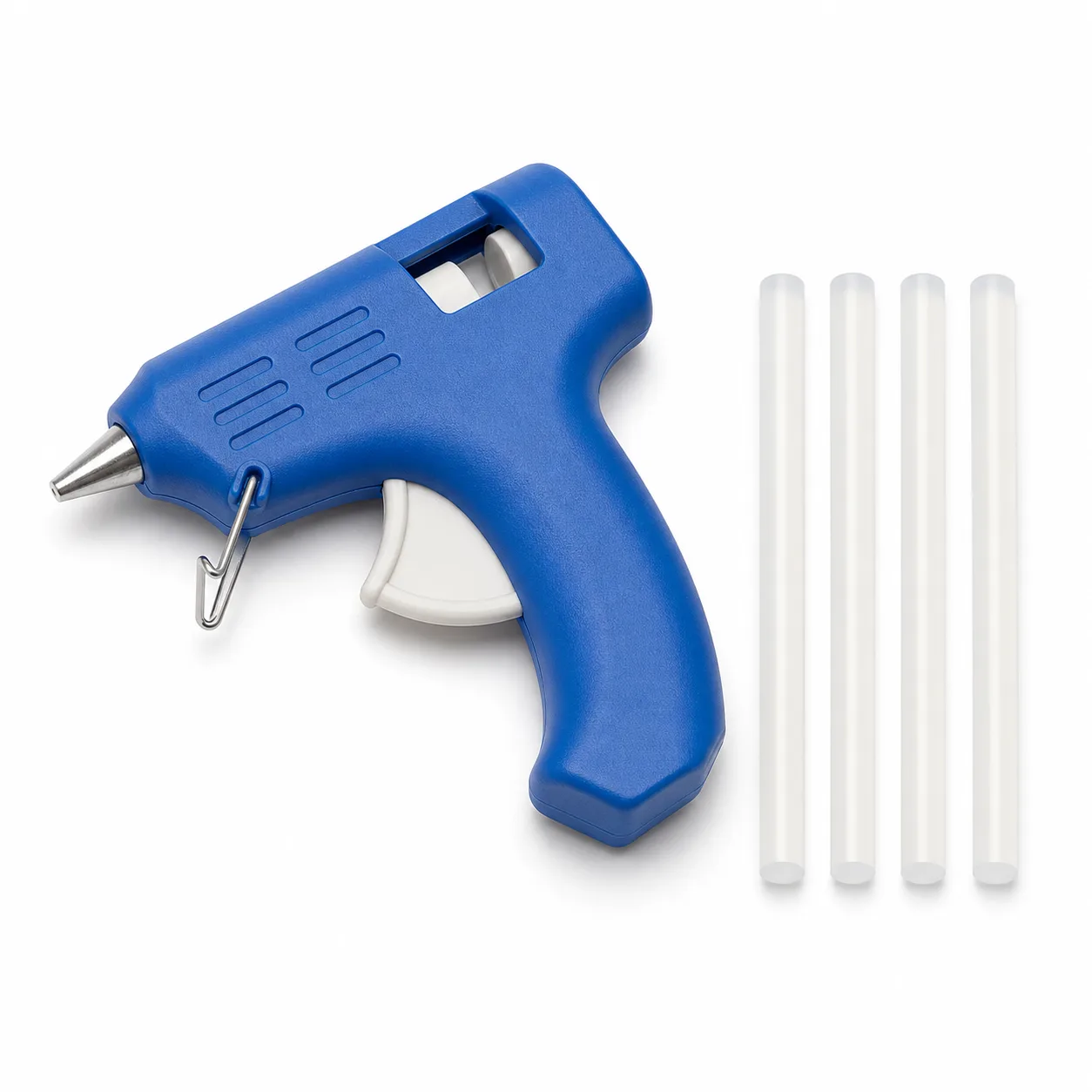
Hot glue with silicone sticks is faster and great for bulkier joins — like attaching a petal base to a stem, or building up layers quickly on a large flower. Just work fast because it sets quickly.
Here's the thing about painting foam: the prep is everything. Skip it and your paint will look patchy, peel at the edges, or crack when the foam flexes. Do it right and you'll get a finish that looks almost professional.
Start with a flexible primer or a thin coat of Plasti-Dip to seal the foam surface. This gives your paint something to grip. Let it dry fully before adding color. I also go deep on sealing and painting in Your Guide to Flawless Foam Board Paint Finishes — tons of useful detail there.
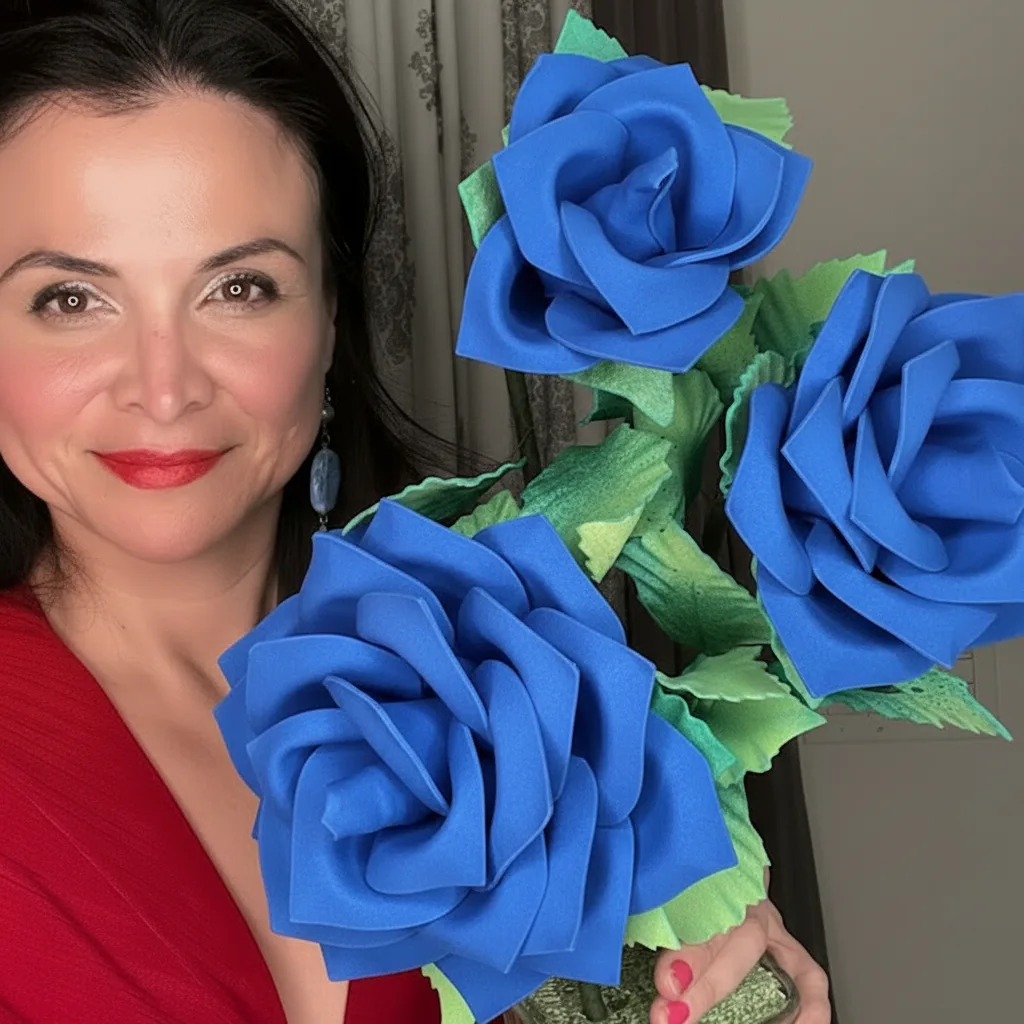
Choosing and applying paint
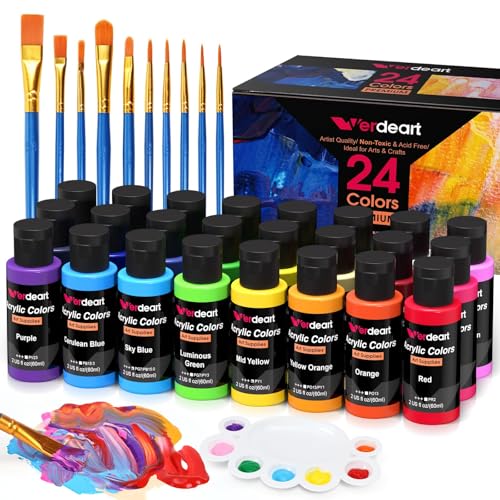
Acrylic paint is your best friend for EVA foam. It's flexible, it dries fast, it comes in every color imaginable, and it layers beautifully for shading and depth. Our Craft Paint Set — 24 Colors + Brushes ($24.99) is specifically put together for petal tinting and foam work — it's what I reach for when I want rich, true color on flowers.
Apply in thin, even layers rather than one thick coat. Build up color gradually. For giant flowers, I often do a base coat, let it dry, then add a slightly deeper shade toward the base of each petal for a natural gradient. It takes maybe 10 extra minutes and the difference is stunning.
💡 Pro Tip
For cosplay pieces that need to look like metal or leather, try dry brushing a lighter metallic shade over a dark base coat. Heat the foam slightly first so it's slightly textured, and the dry brush catches the raised areas beautifully.
If you're building flowers specifically, our color packs are honestly a game-changer. Instead of buying plain foam and painting everything, you start with foam that's already the right color — and just add shading details if you want them.
We have a few curated sets that I put together based on the most popular flower color palettes:
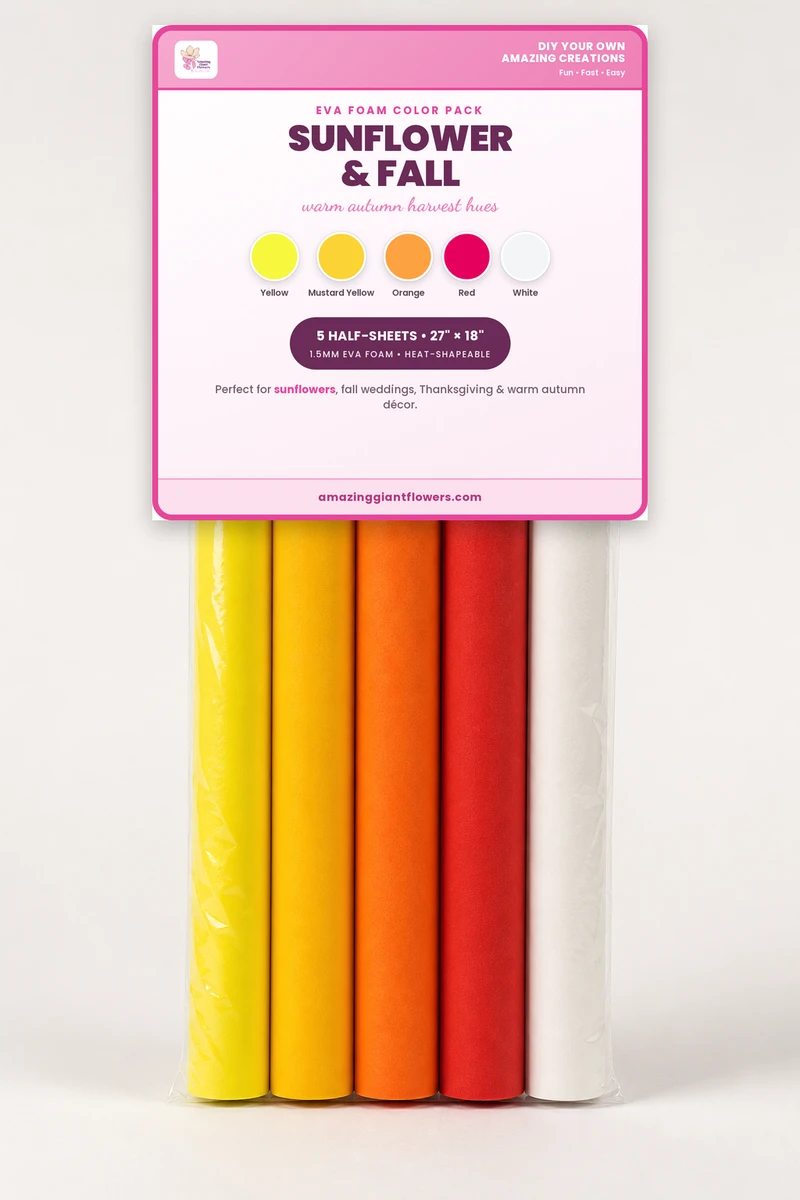
- Sunflower & Fall Color Pack — 5 half-sheets, 27"x18", 1.5mm — $24.99. Warm yellows, oranges, and browns. Perfect for fall events and sunflower builds.
- Romance Color Pack — 5 half-sheets, 27"x18", 1.5mm — $24.99. Pinks, reds, and blush. Ideal for weddings, Valentine's Day, and baby showers.
- Patriotic Color Pack — 5 half-sheets, 27"x18", 1.5mm — $24.99. Red, white, and blue for July 4th, Memorial Day, or any patriotic event.
Mixing pre-colored and painted foam
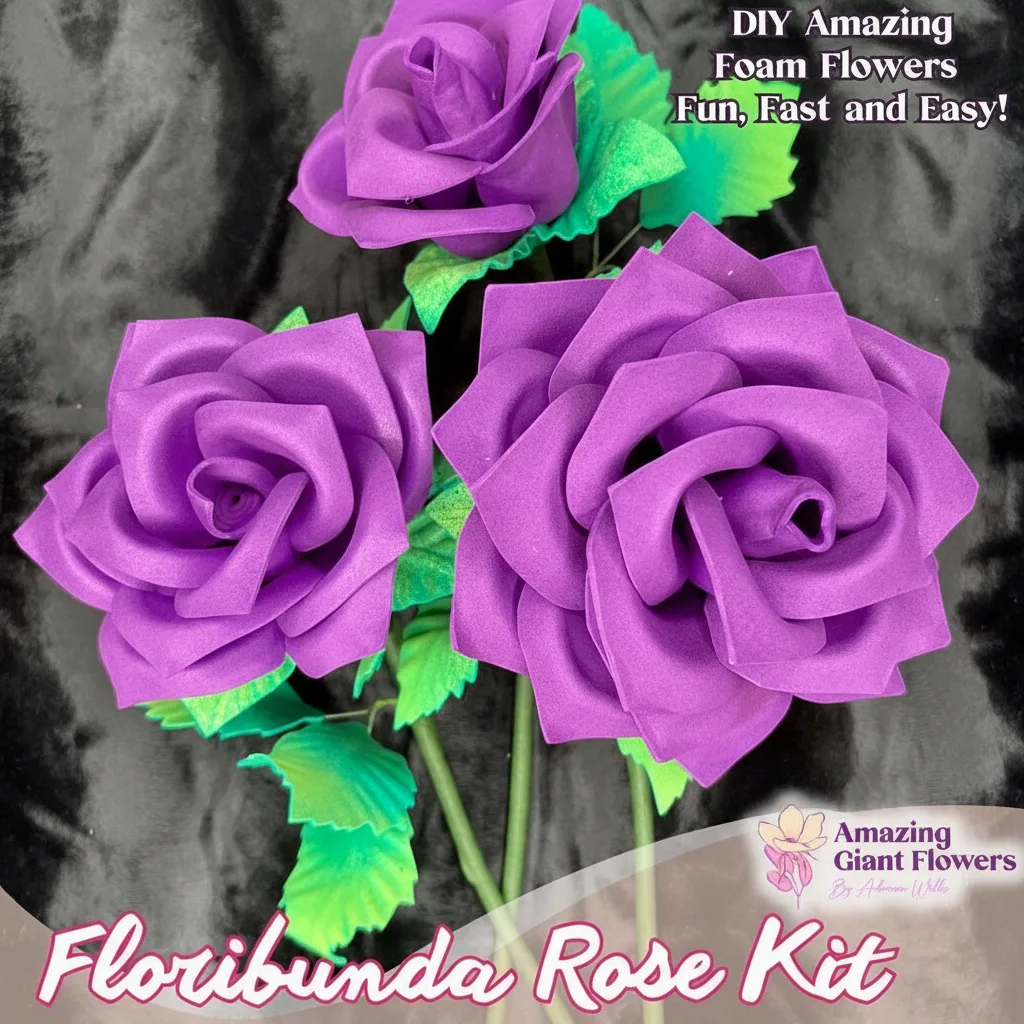
You don't have to choose one or the other. I often use a pre-colored roll for the main petals and then paint just the center or the petal tips for added dimension. It cuts your painting time in half and still looks completely custom.
🌸 Shop Color Packs & Rolls
Find your perfect palette in our EVA foam collection — plain rolls, color packs, and everything in between.
What Can You Actually Make With a Craft Foam Roll?
The project list is longer than you think
I love this question because the answer always surprises people. EVA foam rolls aren't just for one type of project — they're a true multi-use material. Here's a quick look at what's possible:
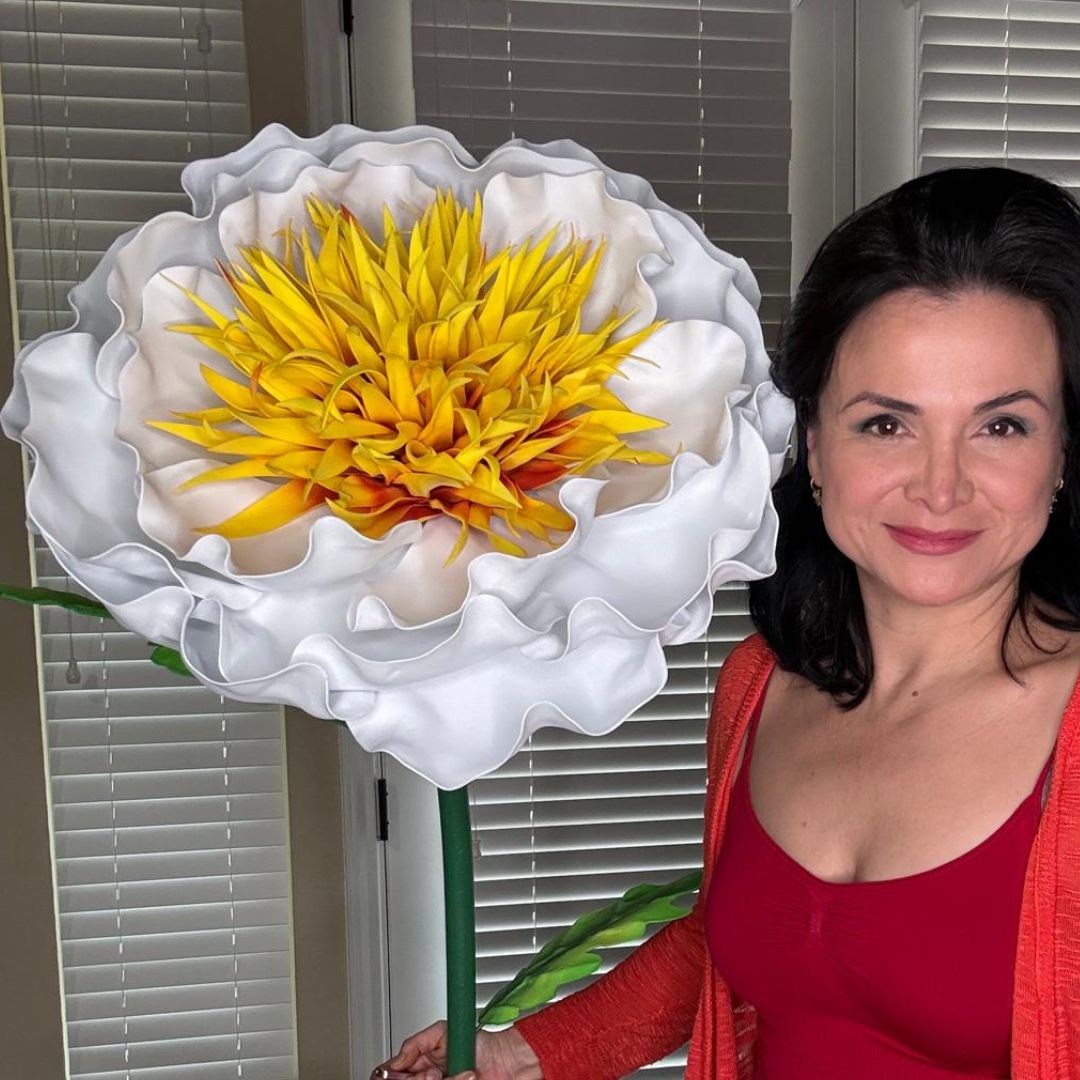
- Giant flowers (2–5 ft): The backbone of what we do here at Amazing Giant Flowers. Pair your foam with our freestanding flower kits for a complete build.
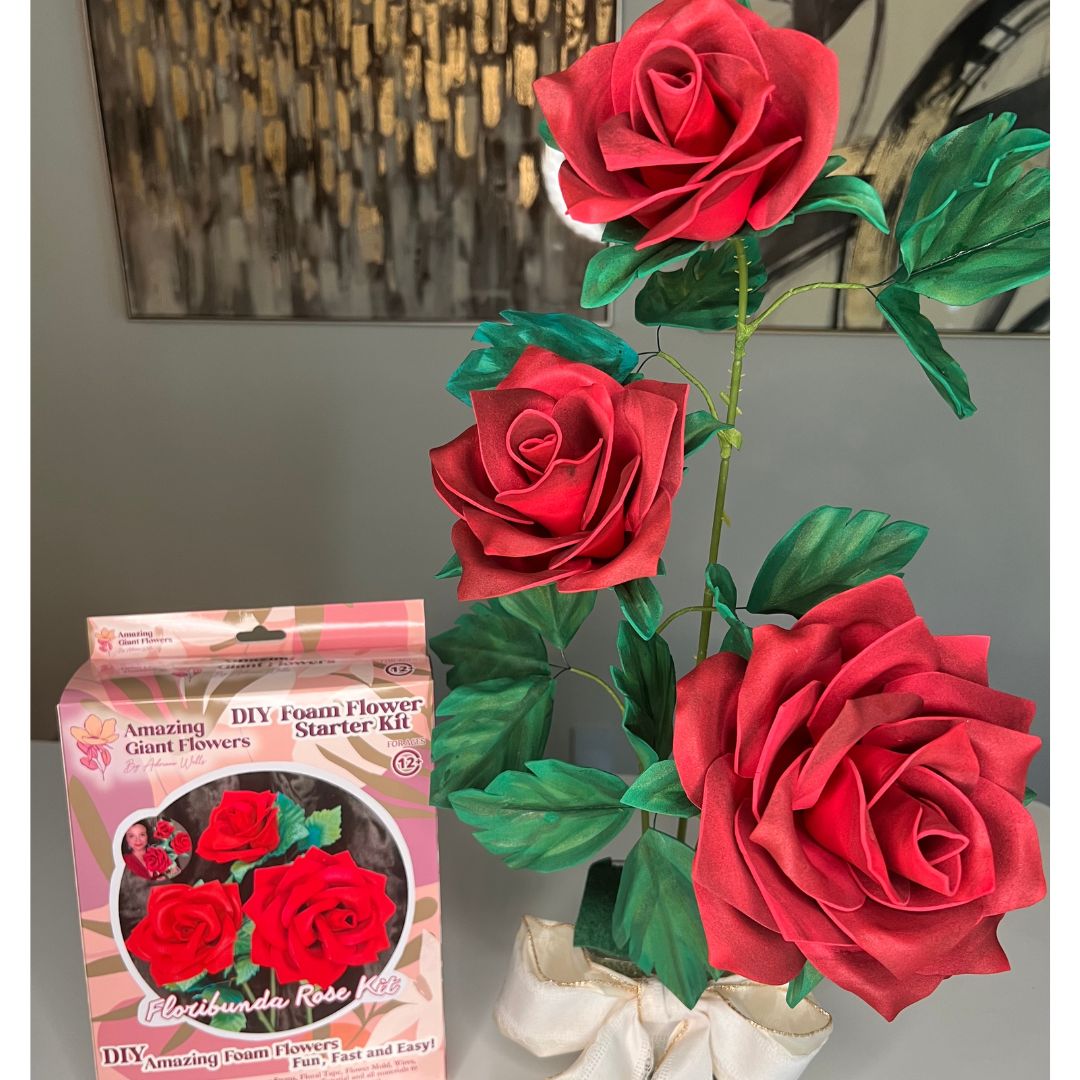
- Life-size craft flowers: Realistic blooms for centerpieces, bouquets, and home decor. Our life-size craft flower kits pair perfectly with 1.5mm foam.
- Cosplay armor and props: Chest plates, gauntlets, helmets, shields — all buildable from 3mm+ foam.
- Theater and film set pieces: Lightweight, paintable, easy to transport — EVA foam is a production designer's dream.
- Classroom and school crafts: Easy to cut, safe to use, and kids love it.
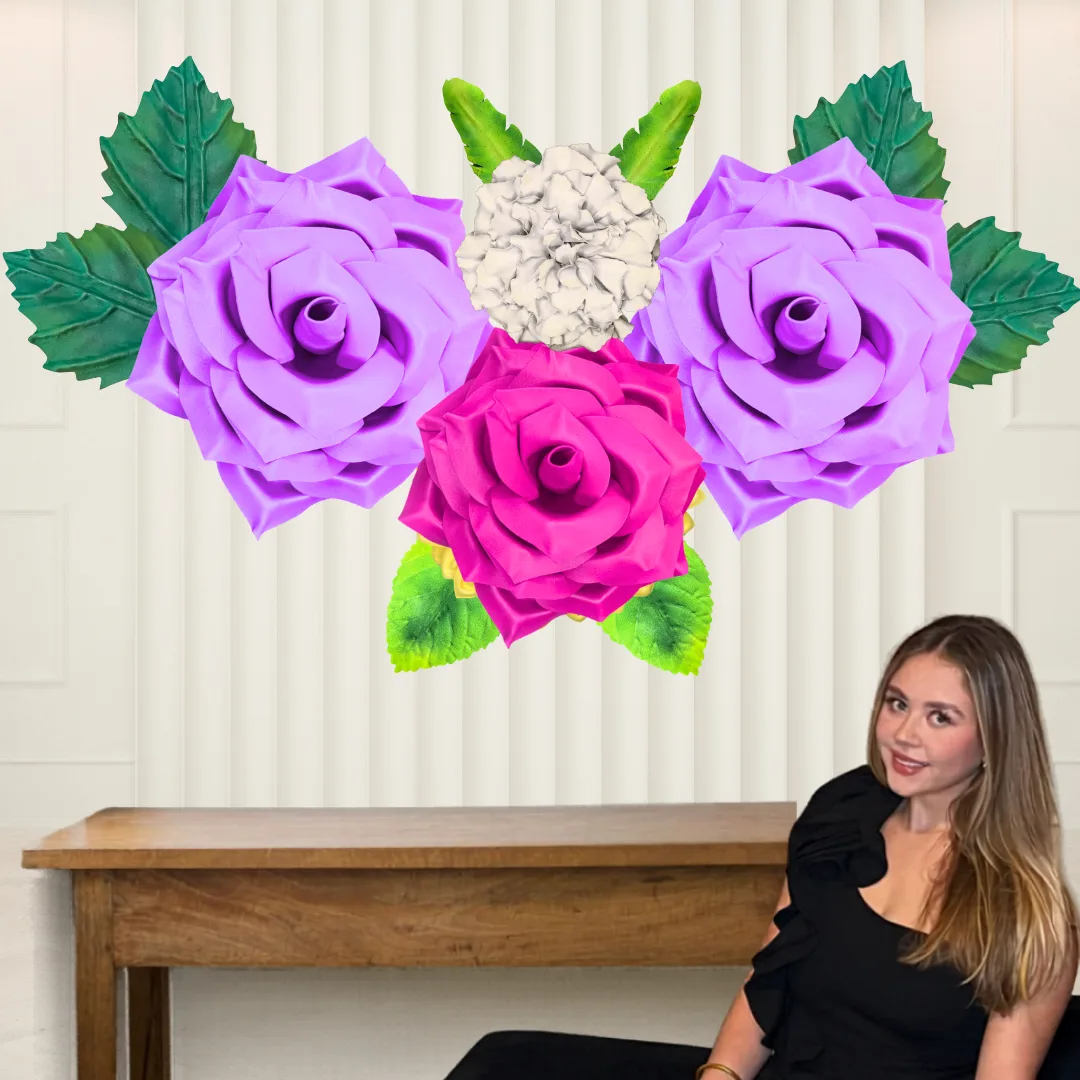
- Event backdrops and installations: Paired with our bendable pipe stems and flower molds, you can build entire floral walls and arches.
For more inspiration on what's possible with foam flowers at events, I love pointing people to How to Make Giant Foam Flowers: Complete Step-by-Step Guide — it walks through a full build from start to finish.
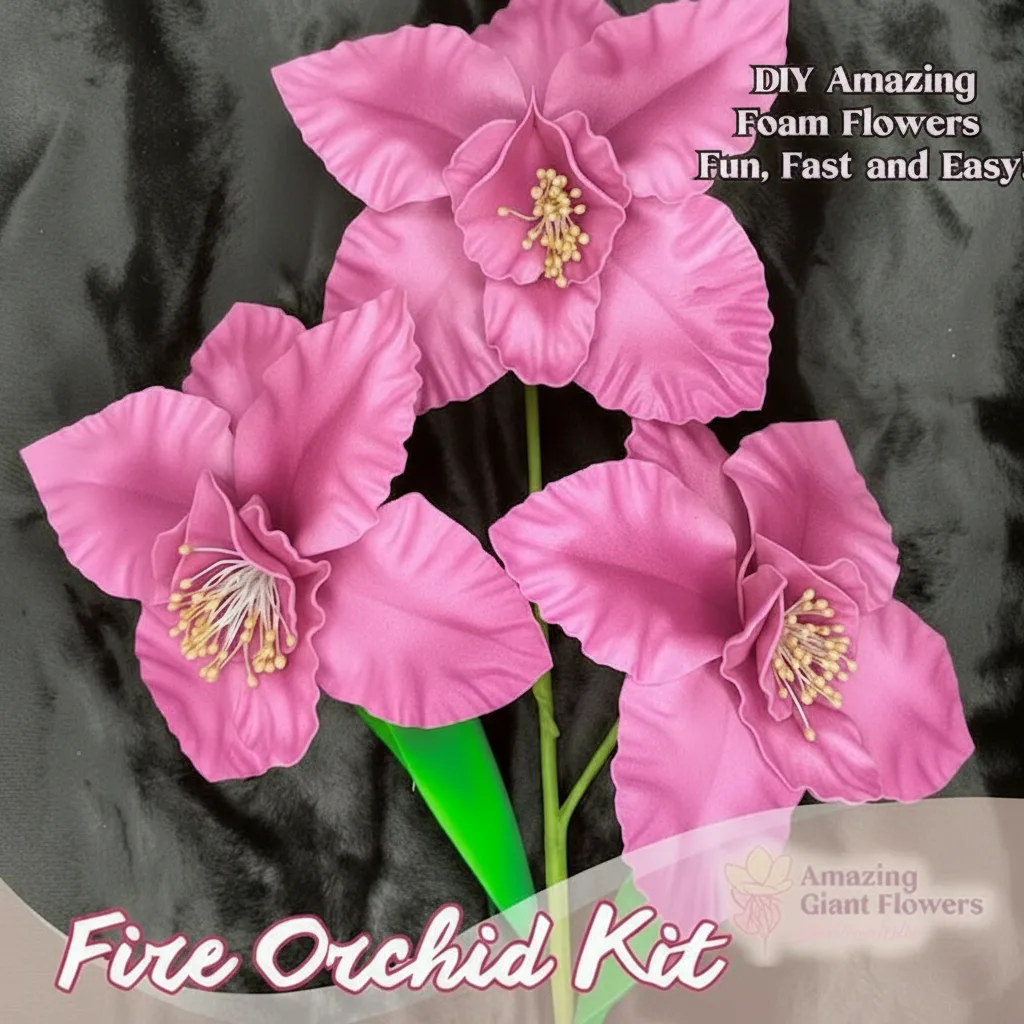
"A single craft foam roll can become a rose, a shield, a backdrop, or a centerpiece. The material doesn't limit you — your imagination does."
Frequently Asked Questions
What's the difference between EVA foam and regular craft foam sheets?
Regular craft foam sheets (the thin ones from dollar stores) are usually lower density, inconsistent in thickness, and don't respond as well to heat shaping. EVA foam rolls have a consistent closed-cell structure, which means they shape more predictably, hold detail better, and take paint more evenly. For anything beyond simple flat cutouts, EVA foam is worth the upgrade.
Can I use a hair dryer to shape EVA foam?
A hair dryer doesn't get hot enough to properly soften EVA foam for shaping. For giant freestanding and wall flower projects, use a heat gun, an iron, or a flat grill. For life-size craft flowers and flower molds, a hair styler or heat gun works great. The right tool makes a huge difference in how smoothly and consistently your foam shapes.
How many rolls do I need for a giant flower?
Plan on about 3–4 rolls per giant flower (2–5 ft). For life-size craft flowers, about 1/4 roll per flower. I always recommend buying a little extra — running out mid-project when you're color-matched is genuinely stressful. Check out our EVA foam collection for roll size options that fit your project scale.
Will acrylic paint crack on EVA foam?
It can, if you skip the primer step or apply paint too thickly. The key is to prime your foam first with a flexible sealant, then apply acrylic paint in thin, even layers. This gives the paint a proper surface to bond with and keeps it flexible as the foam moves. I cover this in depth in A Crafter's Guide To Painting On Foam Core.
Can I use EVA foam with flower molds?
Yes — and it's one of my favorite combinations! Press heated EVA foam into our flower molds (from $12.49) and you get perfectly shaped petals with realistic texture every single time. It's a huge time-saver for anyone making multiple flowers with consistent shapes. Thinner foam (1.5mm–2mm) works best in molds for life-size flowers.
Whether you're just starting out or you've been crafting for years, a quality craft foam roll genuinely opens up a world of creative possibilities. I've watched people go from "I've never made anything" to building stunning giant flower backdrops, full cosplay armor sets, and gorgeous event installations — all starting with a roll of EVA foam and a little know-how.
And that's exactly why I put together everything we carry at Amazing Giant Flowers. Not just the foam, but the molds, the stems, the glue, the templates — everything you need to go from idea to finished project without the guesswork. Head over to our EVA foam collection and find your roll. I can't wait to see what you make.
Shop the supplies
Everything You Need for This Project

Written by
Adriana WellsFounder & CEO of Amazing Giant Flowers
Adriana Wells is the founder and creative force behind Amazing Giant Flowers, a Texas-based company specializing in handcrafted giant foam flowers, luxury floral installations, and DIY flower-making supplies.
More about Adriana →Ready to Create Something Amazing?
Browse our collection of giant flower kits and start your next project today.