EVA Foam Starter Tools: The Beginner Checklist That Saves Money
Key Takeaways
- A solid EVA foam beginner starter kit costs between $60–$120 — you don't need to spend more than that to make beautiful flowers.
- The five non-negotiable tools are a heat gun, hot glue gun, cutting mat, sharp craft knife, and EVA foam sheets.
- Cheap tools in the wrong categories will ruin your foam — but expensive tools in other categories are a complete waste of money.
- EVA foam thickness matters enormously: 2mm for petals, 5–6mm for structural bases and stems.
- You can start making 2–5 foot giant flowers with a beginner kit — no experience required.
Why EVA Foam Is the Best Material for Giant Flowers (And Why Your Tools Matter)
EVA foam — ethylene-vinyl acetate — is the secret behind every giant flower you've seen at weddings, brand activations, and Disney installations. It's lightweight, flexible, paintable, and it holds shape beautifully when heat is applied.
But here's the thing: EVA foam is only as good as the tools you use with it. The wrong knife leaves ragged edges. The wrong heat gun scorches instead of shapes. The wrong glue doesn't bond properly and your petals fall apart mid-event.
According to Statista, the global DIY crafts market is projected to reach $51.6 billion by 2027. More people are making their own event décor than ever before — and EVA foam is leading that charge.
When I first started, I used a regular box cutter on a kitchen cutting board. The cuts were uneven, the board got destroyed, and I wasted two full sheets before I figured out what I actually needed. Don't be me in 2015.
If you want to explore the full world of foam types before diving into tools, I wrote a deep-dive over at A Crafter's Guide to Every Type of Foam for Giant Flowers — it'll help you understand why EVA specifically is the material of choice.
The Core EVA Foam Beginner Starter Tools Checklist
Let me break this down into what I call the "non-negotiables." These are the tools you absolutely cannot skip. Everything else is optional or upgradeable later.
- Heat Gun (1500–2000W): This is your most important tool. It's what makes EVA foam curl, shape, and hold those gorgeous petal curves. A dual-temperature heat gun gives you control — low for thin petals, high for thicker structural pieces. Budget around $25–$45.
- Hot Glue Gun (High-Temp, Full-Size): Not the mini craft store version. You need a full-size, high-temperature glue gun that can handle the bond strength EVA foam requires. The mini guns cool too fast and leave weak seams. Budget $15–$30.
- Self-Healing Cutting Mat (at least 18" x 24"): Protect your table and get cleaner cuts. The grid lines help you keep cuts straight and measure accurately. Budget $20–$35.
- Sharp Craft Knife or Utility Knife: A fresh blade is everything. Dull blades drag and tear EVA foam instead of slicing cleanly. I go through blades fast — buy a multi-pack. Budget $10–$20.
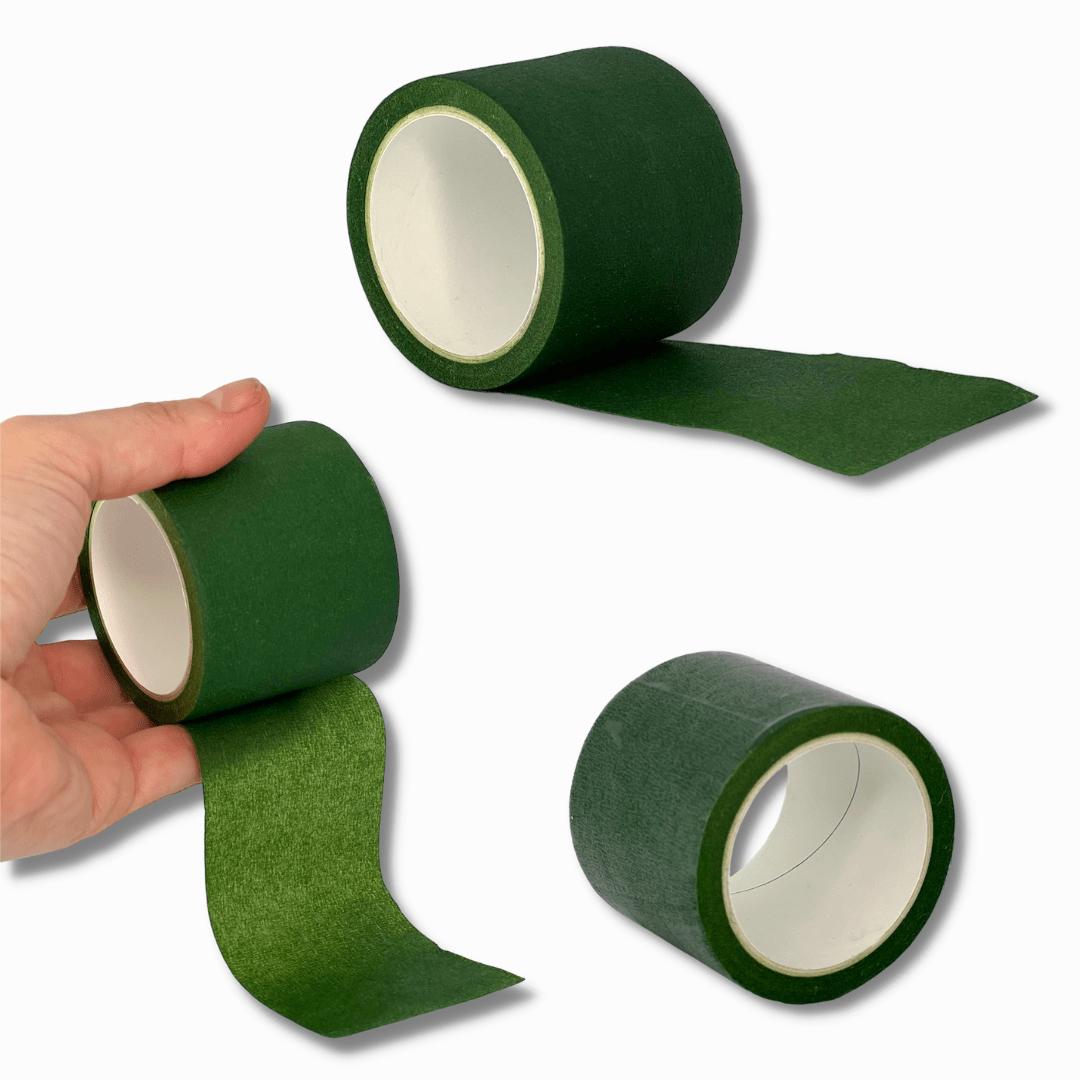
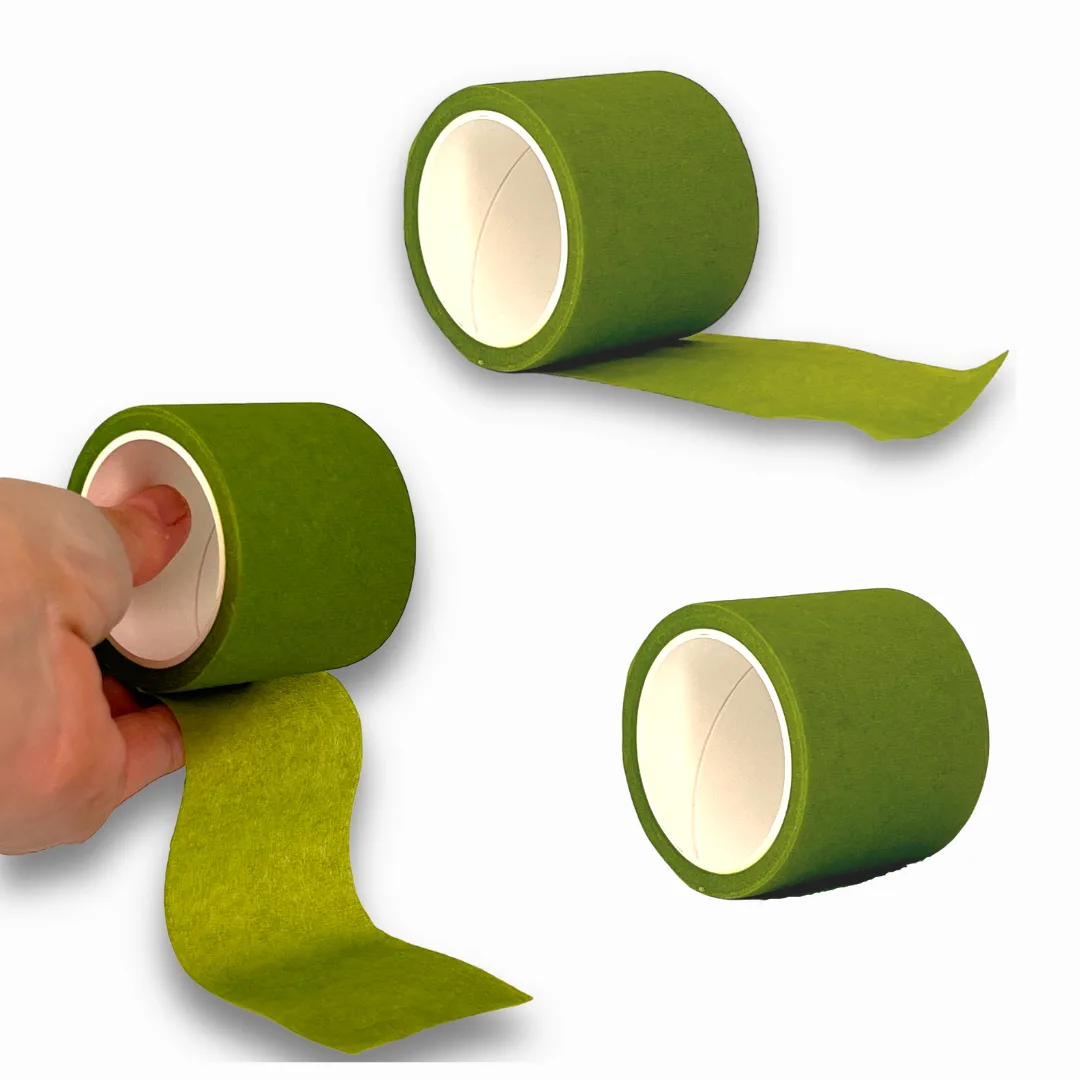
- EVA Foam Sheets (2mm and 5–6mm): You need both thicknesses. Thin for petals, thick for bases and structural stems. More on this in the next section.
- Ruler or Metal Straightedge (12–18"): For clean straight cuts and measuring petal templates. Metal only — craft knives will slice right through a plastic ruler.
- Pencil or Chalk Marker: For tracing templates onto foam. Pencil works fine on light colors; chalk markers show up better on dark foam.
That's your core list. Seven categories, and you can source all of them for under $120 if you're smart about where you shop.
EVA Foam Sheets: The Foundation of Your Beginner Starter Kit
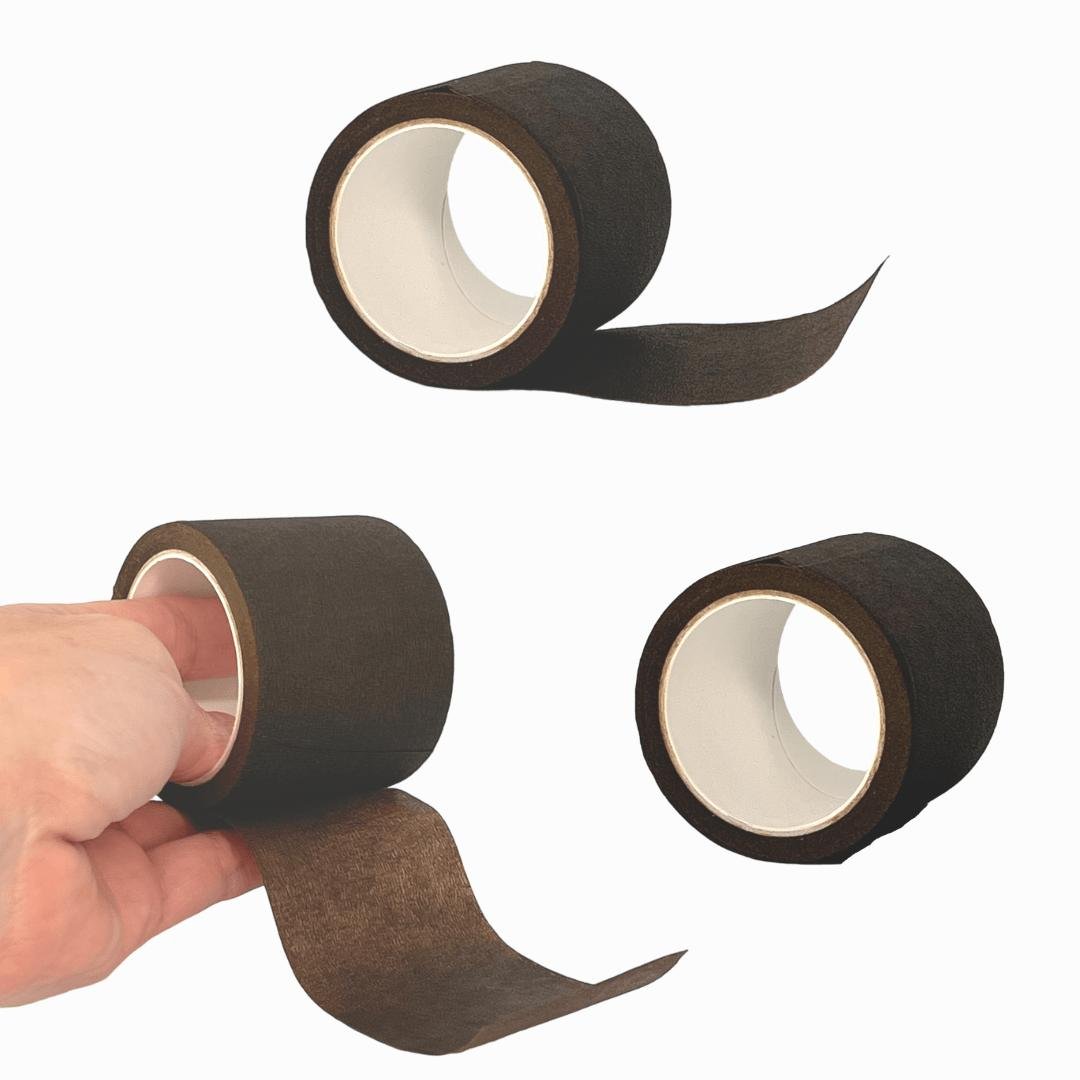
Real talk? The foam itself is where most beginners go wrong. They grab whatever's cheapest on Amazon without understanding thickness, and then wonder why their flowers look flat or fall apart.
Understanding Foam Thickness
2mm EVA foam is your petal material. It's thin enough to curl beautifully with a heat gun, flexible enough to layer, and light enough that even a large flower won't be heavy.
5–6mm EVA foam is your structural material. Use it for flower bases, center cones, and any element that needs to hold weight or stand upright. It's stiffer and holds form without sagging.
8–10mm foam is for advanced builds — freestanding large-scale installations, thick sculptural elements. Skip this as a beginner. You'll know when you need it.
How Many Sheets Do You Need to Start?
For your first giant flower project, plan on 6–10 sheets of 2mm foam and 2–3 sheets of 5–6mm foam. That gives you enough to practice cuts, make mistakes, and still finish a complete flower.
Our shop carries EVA foam sheets in multiple thicknesses — and I personally selected the density and quality we stock based on what actually works for giant flowers. Not all EVA foam is created equal, and the cheaper craft-store versions are often inconsistent in density.
The Comparison: What to Splurge On vs. What to Save On
This is the section that'll save you real money. Some tools are worth every penny of the premium version. Others? The $10 version works just as well as the $50 one.
| Tool | Budget Option | Premium Option | Verdict |
|---|---|---|---|
| Heat Gun | $20–$25 (single temp) | $40–$60 (dual temp, variable) | 💰 Splurge. Dual-temp control changes everything. |
| Hot Glue Gun | $15–$20 (full-size, high-temp) | $35–$60 (professional) | ✅ Save. A solid $20 gun works great. |
| Cutting Mat | $18–$22 (18"x24") | $40–$60 (large format) | ✅ Save. Mid-range is perfect for beginners. |
| Craft Knife | $8–$12 + blade multi-pack | $25–$40 (ergonomic handle) | ✅ Save. Fresh blades matter more than the handle. |
| EVA Foam Sheets | $1–$2/sheet (craft store) | $3–$6/sheet (quality supplier) | 💰 Splurge. Inconsistent cheap foam wastes time and money. |
| Glue Sticks | $5–$8 for a bag | $12–$18 (specialty) | ✅ Save. Standard high-temp sticks work perfectly. |
| Metal Ruler | $6–$10 | $20–$30 | ✅ Save. Any metal ruler does the job. |
Total estimated spend using the smart approach: $75–$110. That's your complete beginner toolkit without wasting money on unnecessary upgrades.
Nice-to-Have Tools (Add These When You're Ready)
Ok, this is where it gets really fun. Once you've made a few flowers and caught the bug — and trust me, you will — there are some tools that'll seriously level up your work.
Scoring Tool or Bone Folder
A scoring tool lets you create precise fold lines in thicker foam without cutting all the way through. Perfect for creating dimensional petals with sharp, clean creases.
Foam-Safe Paint and Brushes
EVA foam takes paint beautifully — but you need the right kind. Acrylic paint works well, and so does spray paint specifically formulated for foam. I've got a whole guide on this: check out Your Guide to Flawless Foam Board Paint Finishes for everything you need to know.
Rotary Cutter
If you're cutting a lot of curved petal shapes, a rotary cutter paired with your cutting mat makes the process so much faster. It's not essential for beginners, but event planners making multiple flowers will love it.
Bendable Pipe Stems
For freestanding giant flowers, you need bendable pipe stems that can support a 3–5 foot bloom without tipping. We carry these specifically sized for giant flower builds in our shop — and they're one of those things where the right product makes a huge difference.
Floral Wire and Tape
18–22 gauge floral wire is great for adding internal structure to individual petals, especially for flowers you want to pose or position at specific angles.
Foam Cutter (Hot Wire)
A hot wire foam cutter gives you incredibly smooth cuts on thicker foam. It's a bigger investment ($40–$80) but worth it if you're planning to build regularly or sell your work.
Setting Up Your Workspace: The Overlooked Part of the Checklist
Your tools are only half the equation. Where you work matters just as much, especially when you're using a heat gun.
Ventilation Is Non-Negotiable
When you heat EVA foam, it releases fumes. They're not terribly toxic at craft levels, but you should always work in a well-ventilated area — open windows, a fan, or ideally outdoors. This isn't optional.
Protect Your Work Surface
Even with a cutting mat, hot glue drips everywhere. Lay down a silicone mat or parchment paper around your work area. It saves your table and makes cleanup so much easier.
Have a Glue Stick Station
I keep a small ceramic dish or silicone mat right next to my glue gun for the inevitable drips. And always have a cup of water nearby — hot glue burns happen, and cool water is your first response.
Good Lighting
Cutting curves and tracing templates requires you to see clearly. A bright task lamp aimed at your cutting mat makes a real difference in cut accuracy, especially on darker foam colors.
Common Beginner Mistakes (And How to Avoid Them)
I've seen these same mistakes happen over and over — and honestly, I made most of them myself.
- Using a mini glue gun: The bond strength just isn't there. Mini guns are for paper crafts. Giant flowers need full-size, high-temp guns. Period.
- Holding the heat gun too close: Keep it at least 4–6 inches from the foam surface and keep it moving. Holding still for more than 2–3 seconds in one spot will scorch or melt your foam.
- Using dull blades: I can't stress this enough. A dull blade requires more pressure, which leads to slipping, which leads to ragged cuts and potential injury. Change blades often.
- Skipping templates: Freehand cutting giant petals looks messy. Make cardstock templates first, trace them, then cut. Your flowers will look a hundred times more professional.
- Buying the wrong foam thickness: Using 5mm foam for petals is like trying to fold cardboard. It won't curl. Match your thickness to your purpose.
- Not letting glue cool fully: Hot glue bonds need 30–60 seconds to fully set. If you move the piece too soon, the joint will be weak and may pull apart under the weight of the flower.
If you're building toward a wedding project, I've got a full resource on Giant Flower Wedding Arch: A Complete Guide for 2026 that walks through everything from tools to final installation.
How Our Kits Make the Checklist Even Easier
Here's where I'll be upfront with you: if the idea of sourcing every single tool separately feels overwhelming, our kits exist exactly for that reason.
Our Freestanding Giant Flower Kits (starting around $80) come with pre-cut EVA foam pieces, so you skip the cutting step entirely for your first build. They include video tutorials so you're never guessing.
According to a Brides.com survey, couples spend an average of $2,000–$2,500 on wedding flowers. A bundle of our giant foam flower kits runs $350–$600 and lasts forever — no wilting, no refrigeration, no last-minute florist panic.
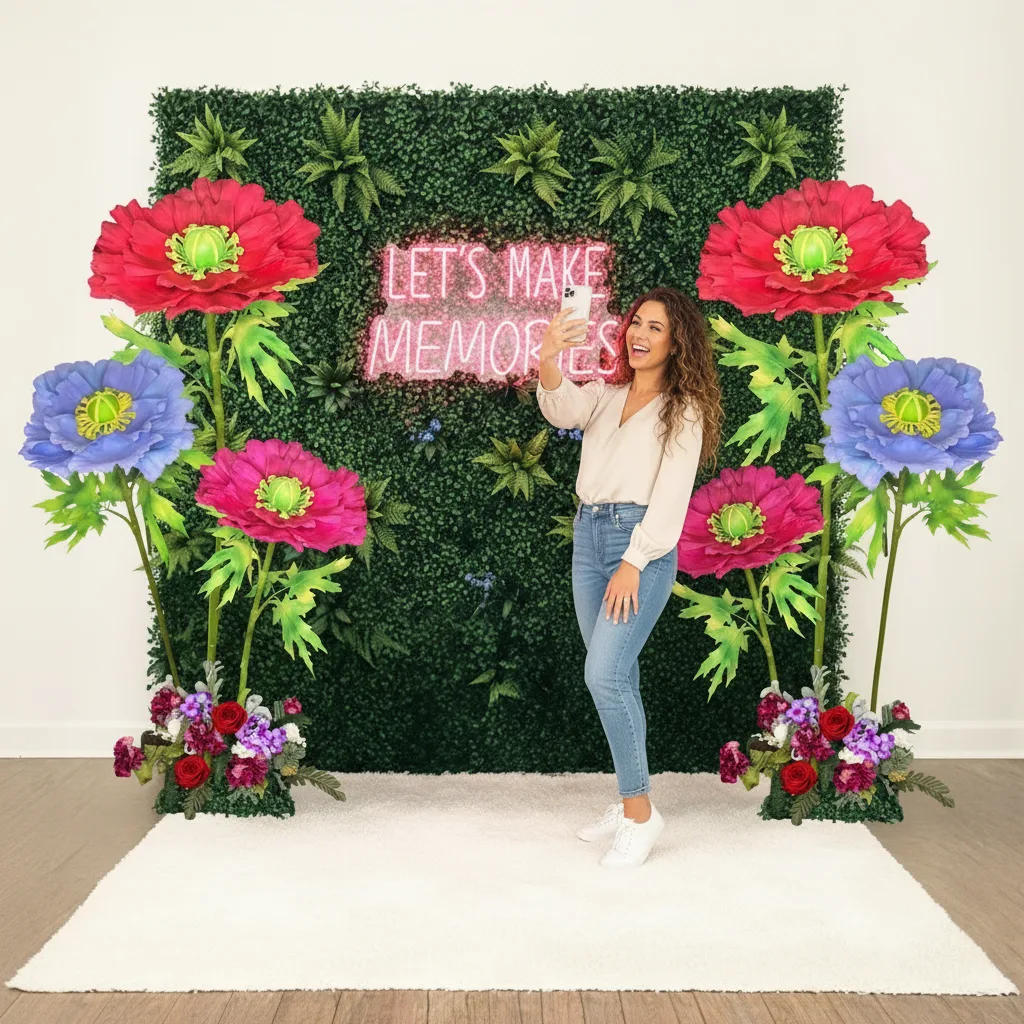
Our Wall-Mounted Kits start around $50 and are perfect for backdrop builds — think photo booth walls, ceremony backdrops, and retail displays. If you want inspiration for how those look in real spaces, check out DIY Giant Flower Backdrop for Photos: Easy Guide.
Even if you use a kit, you'll still need your heat gun, glue gun, and a few basics. The kit handles the foam; you bring the tools.
Budget Breakdown: Your Complete EVA Foam Starter Investment
Let me put it all together so you can see exactly what you're looking at financially before you buy a single thing.
| Item | Budget Pick | Mid-Range Pick | Notes |
|---|---|---|---|
| Heat Gun | $22 | $42 | Invest in dual-temp if possible |
| Hot Glue Gun | $16 | $28 | Full-size, high-temp only |
| Cutting Mat (18"x24") | $19 | $32 | Self-healing is worth it |
| Craft Knife + Blades | $11 | $18 | Buy a blade multi-pack |
| EVA Foam Sheets (starter pack) | $18 | $35 | Mix of 2mm and 5–6mm |
| Metal Ruler | $7 | $12 | 18" is the sweet spot |
| Glue Sticks (bag) | $6 | $10 | Buy more than you think you need |
| TOTAL | ~$99 | ~$177 | Most beginners land around $110–$130 |
Compare that to hiring a professional floral designer. According to The Knot, professional event florals average $1,500–$3,000+ for a single event. Your foam starter kit pays for itself after one project.
Frequently Asked Questions
What is the best EVA foam thickness for beginners making giant flowers?
Start with 2mm EVA foam for petals — it curls easily with a heat gun and layers beautifully. Use 5–6mm foam for bases and structural elements that need to hold shape and support weight. Avoid anything thicker than 6mm until you're comfortable with the basics.
Can I use a hair dryer instead of a heat gun for EVA foam?
Honestly? No. A hair dryer doesn't get hot enough to properly shape EVA foam. You need sustained heat in the 250–350°F range, and even the hottest hair dryer tops out well below that. A basic heat gun is a $20–$25 investment that makes a huge difference — don't skip it.
How long does it take to make a giant EVA foam flower as a beginner?
Your first flower will probably take 3–5 hours — and that's completely normal. You're learning how the foam responds to heat, how petals layer, and how to work with glue without burning yourself. By your third flower, most people are finishing in 1–2 hours. The learning curve is real but short.
Is EVA foam safe to work with indoors?
Yes, with proper ventilation. When heated, EVA foam releases small amounts of fumes that can be irritating in a closed space. Always open windows, use a fan, or work outdoors when using your heat gun. For extended sessions, a basic respirator mask is a smart addition to your toolkit.
Where can I buy quality EVA foam sheets for giant flowers?
Craft stores carry EVA foam, but the quality and density can be inconsistent — which matters a lot when you're trying to get consistent petal shapes. I'd recommend sourcing from a supplier that specializes in foam for large-scale crafts. We carry curated EVA foam sheets specifically chosen for giant flower projects at Amazing Giant Flowers.
Do I need special paint for EVA foam flowers?
Acrylic paint works great on EVA foam and is widely available. For larger areas, foam-safe spray paint gives a smooth finish fast. Avoid oil-based paints — they don't adhere well and can make the foam tacky. I cover this in detail in my guide on A Crafter's Guide To Painting On Foam Core.
You've got everything you need to start. Seriously — the hardest part is just beginning, and now you have a real checklist to follow instead of guessing your way through it.
If you want to skip straight to making your first giant flower, head over to our shop and check out our starter kits. I designed them specifically for people who are new to this — pre-cut pieces, video tutorials, and everything laid out so you can actually enjoy the process. What are you planning to make first? I'd genuinely love to know.
Ready to Create Something Amazing?
Browse our collection of giant flower kits and start your next project today.