How Many Petals Can One Mold Make? (We Counted)
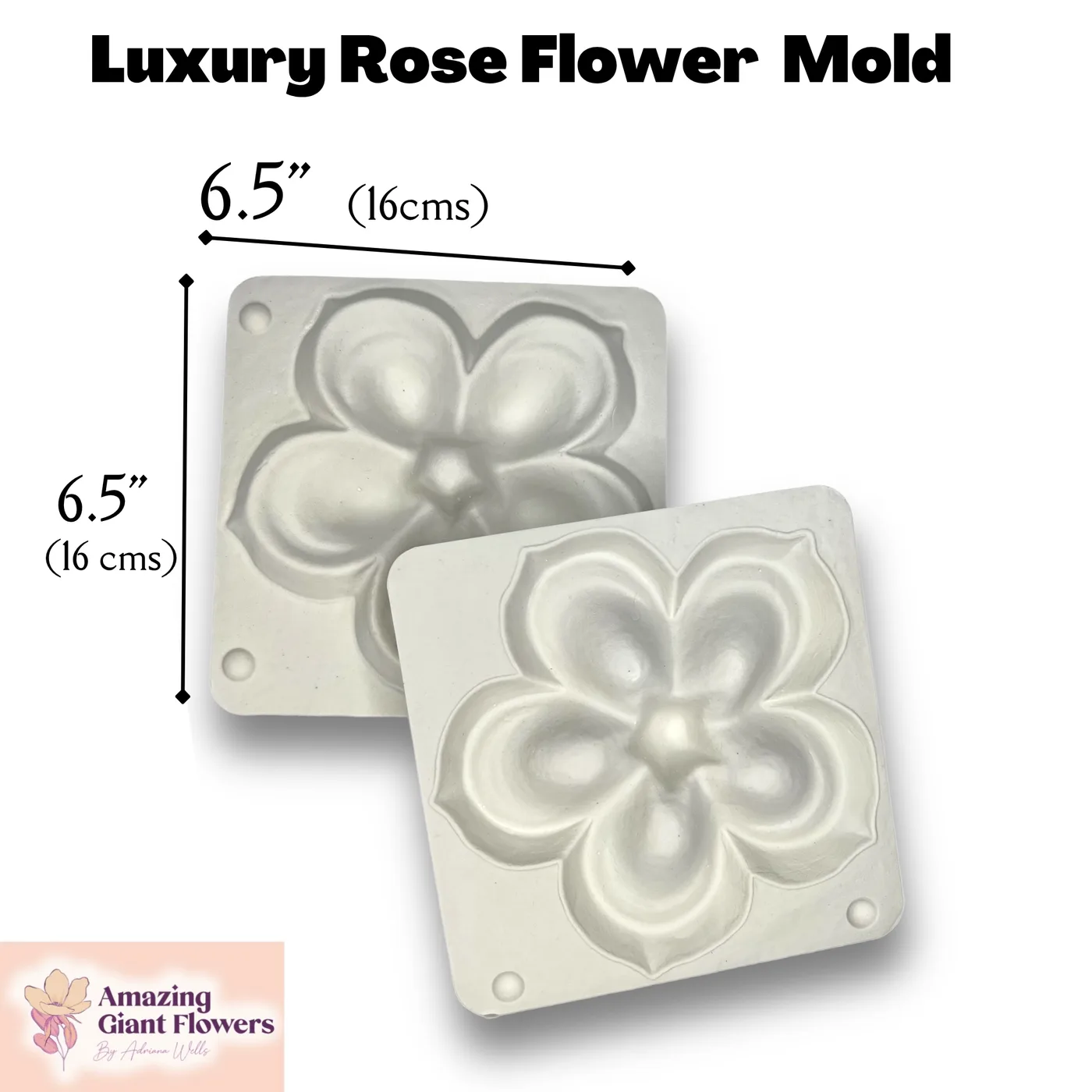
If you've ever stared at a flower mold listing and wondered, "But how many petals can I actually get out of this thing?" — you are my people. That's exactly the kind of question I asked when I first started making flowers, and honestly? Nobody was giving straight answers. So I decided to count. Like, literally sit down and track my flower mold petal count across different mold styles, materials, and use cases.
Because here's the thing: when you're shopping on a budget, the sticker price on a mold means almost nothing by itself. What actually matters is how many petals you can pull from it before it wears out — and whether those petals work for both your foam crafting projects and your cake decorating. That's where the real math lives.
So let's dig in. I'm going to break this down in a way that finally makes sense for value shoppers who want to know exactly what they're getting for their money.
Key Takeaways
I've seen crafters pass on a $18 mold and grab a $6 one instead. I totally get it — that's a real savings when you're working with a tight budget. But here's what I've learned after years of making flowers: the cheap mold almost always costs more in the long run.
Thin, low-quality molds tear. They lose their detail after a dozen uses. The veining gets soft and mushy, and suddenly your petals look like they were pressed with a wet sock. Not cute.
A well-made mold, on the other hand? I have molds I've been using for years. Hundreds of petals in, and they still give me crisp, beautiful detail every single time. That's value.
"The real cost of a mold isn't what you paid at checkout — it's what you paid per petal, over the life of the mold."
The Cost-Per-Petal Formula (This Changed Everything for Me)
Here's the simple math I use. Take the price of the mold, divide it by the estimated number of petals you'll make with it over its lifetime. That's your cost per petal.
Example: A $20 mold that lasts 400 uses = $0.05 per petal. A $6 mold that gives out after 40 uses = $0.15 per petal. The "cheap" mold just cost you three times more per petal. That math hits different, right?
Ok, this is where it gets really fun. I actually tracked this. I used our flower molds across multiple projects — foam flowers for event backdrops, sugar petals for wedding cakes, gumpaste botanicals for cake toppers — and I kept notes.
The short answer: a lot more than most people expect.
The number varies based on what you're pressing. Here's what I found in real use:
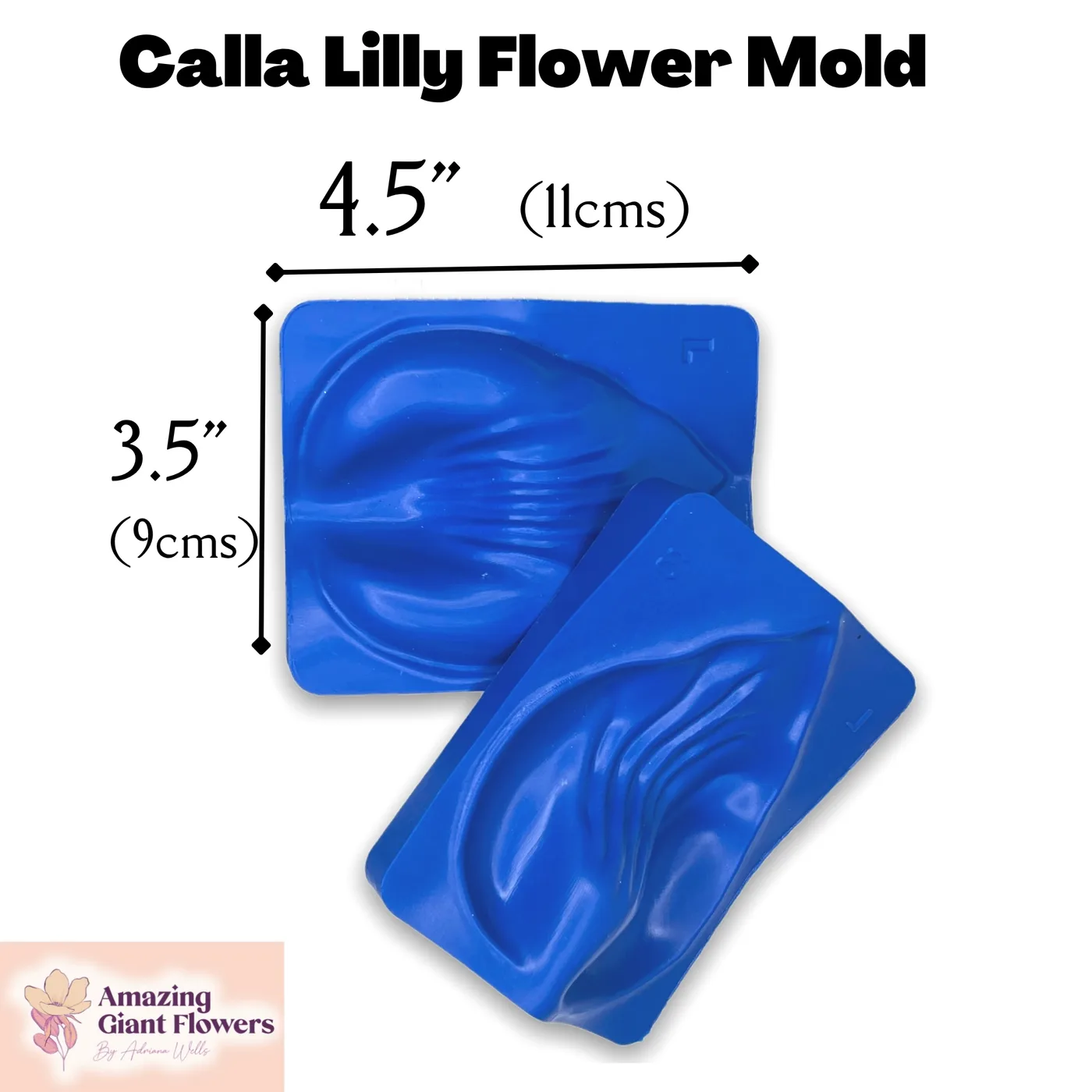
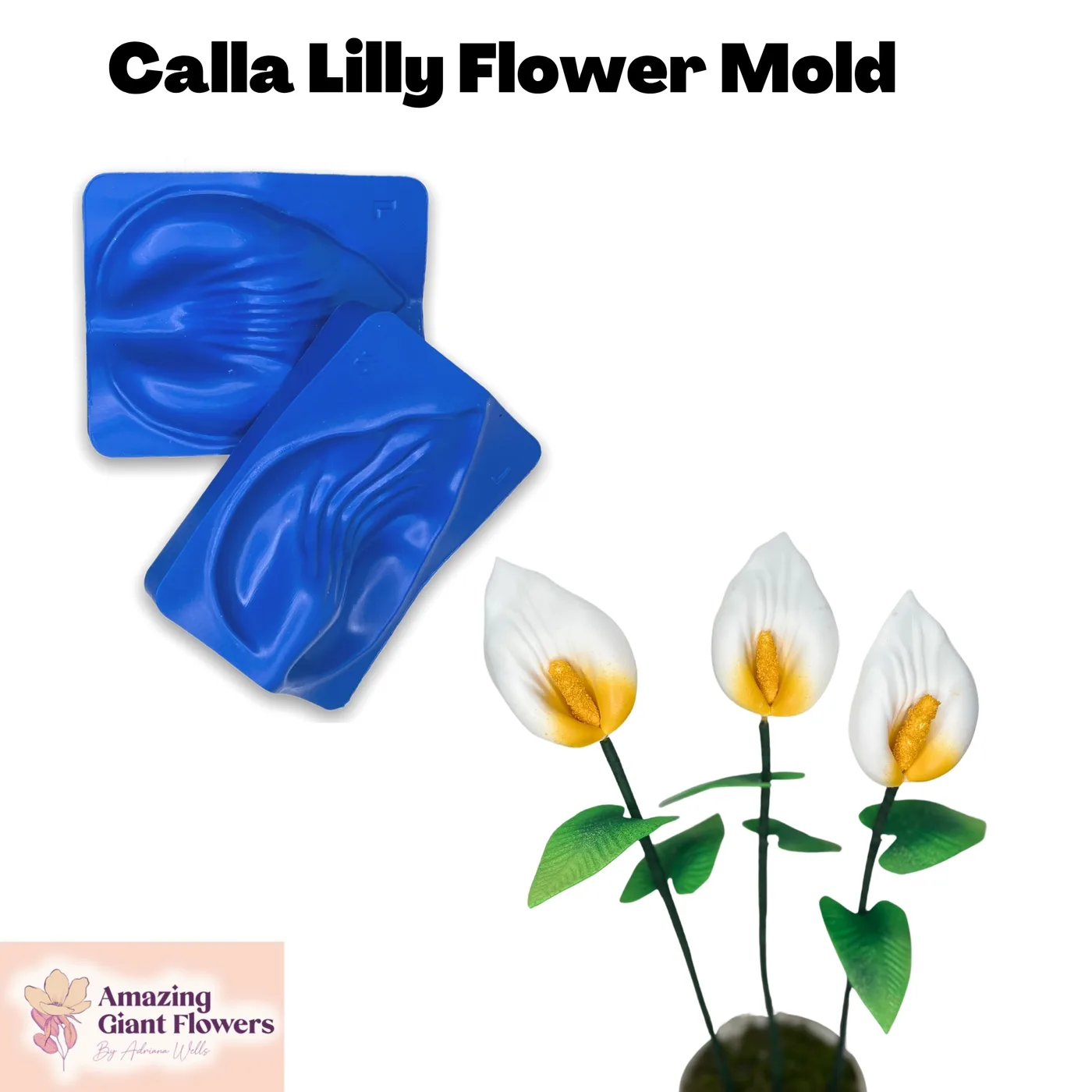
The molds I'm talking about are double-sided — meaning you get a top and bottom impression in one piece. That's not just convenient, it's a genuine value multiplier because you're getting two texture options baked into a single purchase.
💡 Pro Tip
To maximize your petal count, always dust your mold lightly with cornstarch (for sugar work) or rub a tiny bit of petroleum jelly on it (for foam). This prevents sticking and reduces the mechanical stress on the mold each time you press. Your mold will thank you — with hundreds more uses.
How Flower Size Affects Your Petal Count Per Project
This part surprises people. The mold size you choose directly affects how many petals you need per flower — and therefore how fast you'll work through your petal count.
Different flowers need wildly different petal counts. A rose might need 20–40 petals to look full and lush. A simple daisy? Maybe 12–16. A peony? Oh honey, you're looking at 40–60 petals minimum if you want that gorgeous, layered look.
So if a mold gives you 400 good presses and you're making roses at 30 petals each, that's over 13 full roses from one mold. For a backdrop project or a tiered wedding cake, that's incredible value.
Want to see how these petals come together in full projects? Check out our life-size foam flower kits — they pair perfectly with the molds and take a lot of the guesswork out of the process.
I want to spend a minute on this because I don't think it gets enough credit. Our flower molds are double-sided — one side gives you a smooth, clean petal surface, the other gives you realistic veining and texture detail.
That means for the price of one mold, you're getting two distinct looks. For foam flowers, you might use the textured side for a realistic botanical vibe. For sugar work on a wedding cake, you might prefer the smooth side for a more elegant, refined finish.
This dual-use design is genuinely rare. Most molds are built for one medium. Ours are food-safe compatible and work beautifully for both foam crafting AND sugar/gumpaste art. If you're a baker who also does event décor (or vice versa), this is huge.
One of my customers — a wedding cake artist in Austin — told me she uses the same molds for her sugar flowers on Friday and then pulls them out again on Saturday to help her sister make foam flowers for the ceremony arch. Same molds. Two completely different applications. That's the kind of versatility that makes a purchase feel like a no-brainer.
"One mold. Two sides. Two creative worlds. That's not a tool — that's a whole studio in your hand."
Comparing Mold Options: What the Numbers Actually Say
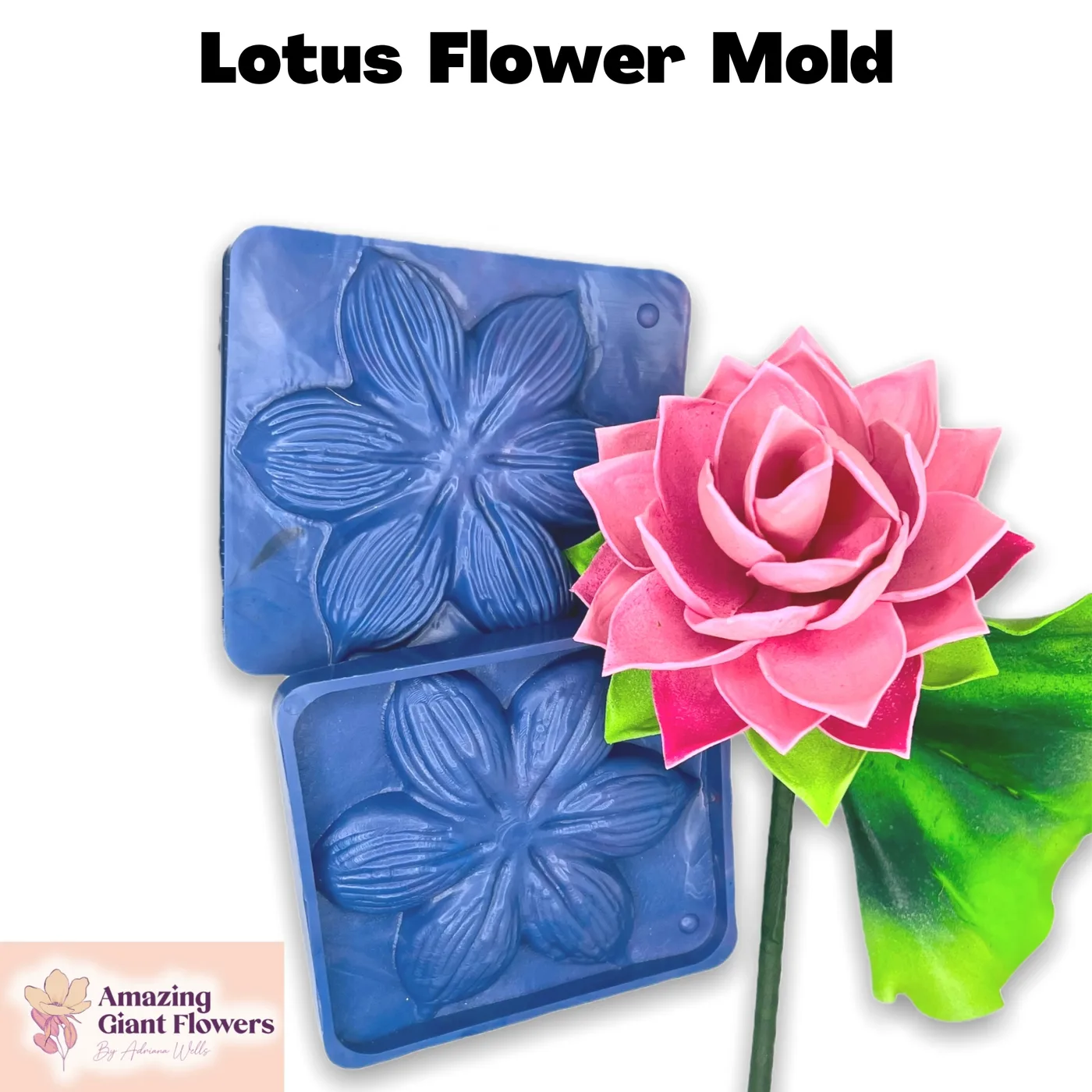
Let me put this all in one place so you can see the comparison clearly. I've broken it down by mold type, estimated lifespan, and cost per petal so you can make a genuinely informed decision.
| Mold Type | Approx. Price | Est. Petal Lifespan | Cost Per Petal | Works for Foam? | Works for Sugar/Gumpaste? |
|---|---|---|---|---|---|
| Budget single-sided mold | ~$5–7 | 30–60 uses | ~$0.10–0.23 | Sometimes | Rarely food-safe |
| Mid-range single-sided mold | ~$12–15 | 150–200 uses | ~$0.06–0.10 | Yes | Check listing |
| Amazing Giant Flowers double-sided mold | ~$18–22 | 300–500+ uses | ~$0.04–0.07 | ✅ Yes | ✅ Yes — food-safe compatible |
| Professional cake decorating mold (sugar only) | ~$25–35 | 400+ uses | ~$0.06–0.09 | ❌ No | ✅ Yes |
See how that plays out? The double-sided mold that works for both foam AND sugar actually has the lowest cost per petal of any option that covers both crafting worlds. That's not a coincidence — that's intentional design.
🌸 Ready to see the full collection?
Browse our flower molds and find the perfect match for your next project — foam flowers, sugar art, or both.
How to Get the Most Petals Out of Every Mold You Own
I'd be doing you a disservice if I just talked about petal count without telling you how to protect that count. Because even the best mold will wear out fast if you treat it rough.
Care Tips That Extend Mold Life Dramatically
- Clean gently after each use. Warm water and a soft cloth — no harsh scrubbing, no abrasive sponges. For sugar residue, a quick soak loosens everything without stress.
- Store flat or hanging. Never crumple or fold your molds. Silicone has memory, and bending it repeatedly weakens the detail over time.
- Use a release agent. Cornstarch for gumpaste/sugar, a light touch of petroleum jelly for foam. This reduces the drag on the mold surface with every press.
- Don't force it. If a petal is sticking, flex the mold gently from underneath rather than yanking the petal. Patience here saves you hundreds of future uses.
- Keep away from sharp tools. I know it's tempting to trim right on the mold — resist. Use a cutting mat instead.
If you're working with EVA foam specifically, I'd also suggest reading our guide on heat gun techniques for shaping foam flower petals — it walks through exactly how to shape after molding without damaging your materials.
Pairing the Right Foam with Your Mold
Not all foam presses the same way. Thinner EVA foam (around 2mm) gives you the most detailed impression because it conforms closely to the mold surface. Thicker foam (4–6mm) works for larger petals but requires a bit more pressure. Check out our EVA foam collection to find the right thickness for your project.
And if you're still figuring out which foam to use for which flower, our crafter's guide to every type of foam for giant flowers is a great place to start.
Real Projects, Real Petal Counts
Let me give you some real-world context. Because "300–500 petals" sounds great in theory, but what does that actually look like in a real project?
Wedding Backdrop
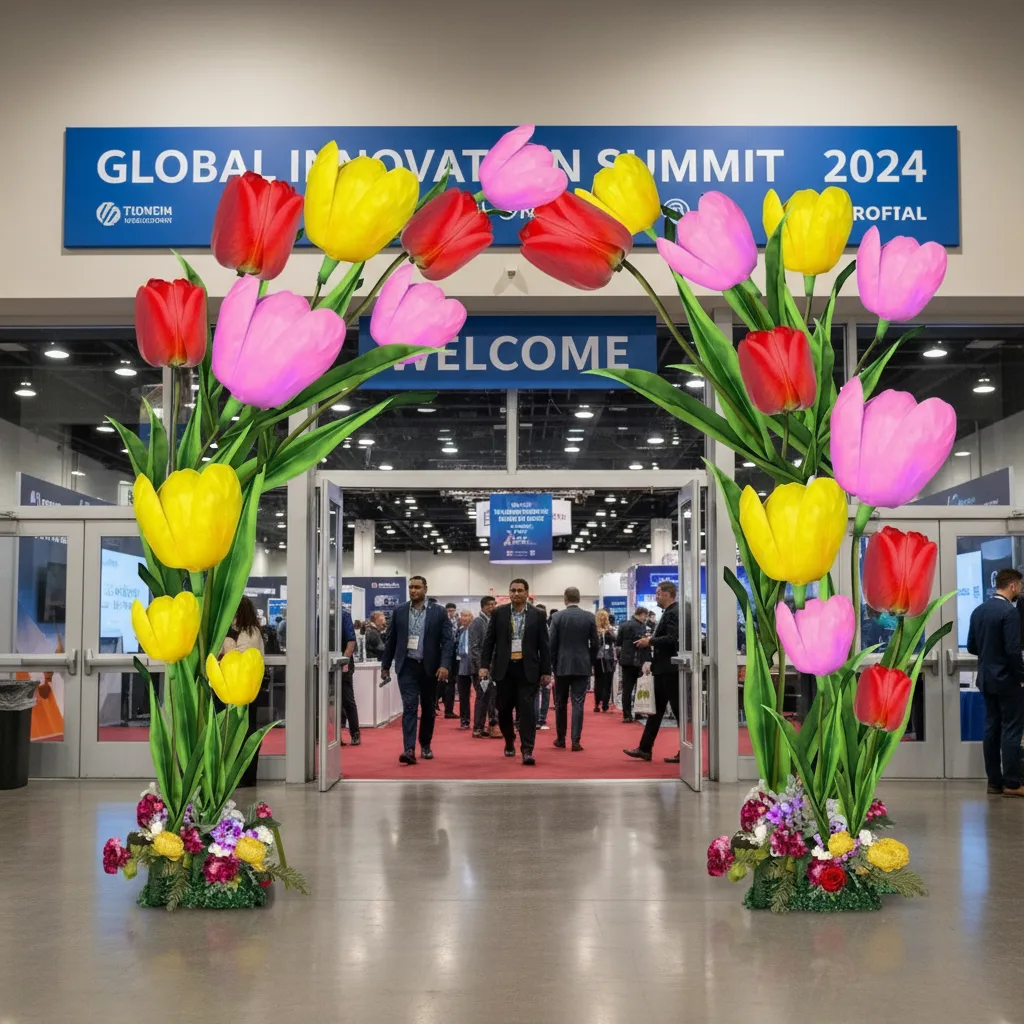
A full flower wedding arch might use 15–25 flowers depending on size and density. At 30 petals per rose, that's 450–750 petals. One mold could realistically carry you through an entire arch project — with petals to spare for a centerpiece or two.
Tiered Wedding Cake
A three-tier cake with cascading sugar roses might need 8–12 full blooms. At 25–35 sugar petals per rose, you're looking at 200–420 petals total. One mold handles the whole cake, the rehearsal dinner cake, AND the anniversary cake next year.
Photo Booth Backdrop
A lush DIY flower backdrop for photos typically uses 20–40 flowers. Mix in some smaller accent blooms and you might need 600–1,000 petals total. With two or three molds in different petal shapes, you can create that layered, professional look — and still have mold life left over for your next event.
💡 Pro Tip
Buy molds in sets of 2–3 complementary petal shapes. Mixing a large outer petal mold with a smaller inner petal mold
Ready to Create Something Amazing?
Browse our collection of giant flower kits and start your next project today.