The Secret to Giant Flowers That Stand Up Straight
If you've ever spent hours crafting a gorgeous giant flower only to watch it droop, tilt, or completely flop over — I feel you. That was me, back when I first started making giant flowers out of my garage. I tried wooden dowels, PVC scraps, wire hangers (yes, really), and even a broom handle once. Nothing worked the way I needed it to. Then I discovered the bendable pipe, and honestly? Everything changed.
Here's what most DIY tutorials don't tell you: the flower itself is only half the battle. The stem is what makes or breaks your whole display. A floppy stem means a tilted flower, a stressed-out crafter, and a display that looks amateur instead of jaw-dropping. And when you're making giant blooms — we're talking 18, 24, even 36 inches across — you need a stem that can actually hold that weight and keep its shape all day long.
So this post is for every DIYer who has Googled "how to make giant flowers stand up" at 11pm the night before an event. I've got you. Let me walk you through exactly why bendable pipes are the secret weapon you've been missing, and how to use them to create displays that stay stunning from setup to teardown.
Key Takeaways
Most people assume their giant flower flopped because of the flower itself — bad petals, wrong glue, too much weight. But nine times out of ten, the real culprit is the stem situation.
Giant flower heads can weigh anywhere from a few ounces for a lightweight paper bloom to well over a pound for a full EVA foam flower with multiple petal layers. That weight, sitting at the top of a rigid or flimsy stem, creates a ton of leverage. Any slight lean becomes a full topple within hours.
The Problem With Rigid Stems
Rigid stems — think wooden dowels or straight PVC — can't adapt. If your floor isn't perfectly level (and whose floor is?), or if your base isn't perfectly centered, the whole thing leans. And once it starts leaning, it doesn't stop.
I've seen it happen at weddings. I've seen it happen at baby showers. A beautiful display, perfectly crafted, slowly tilting throughout the reception until someone has to prop it against a wall. Not the vibe.
On the other end of the spectrum, thin wire stems bend too easily. They can't hold the weight of a large bloom. You'll get that sad, nodding flower look — drooping forward like it's exhausted. Cute on a real flower, not cute on a 24-inch EVA foam dahlia at someone's quinceañera.
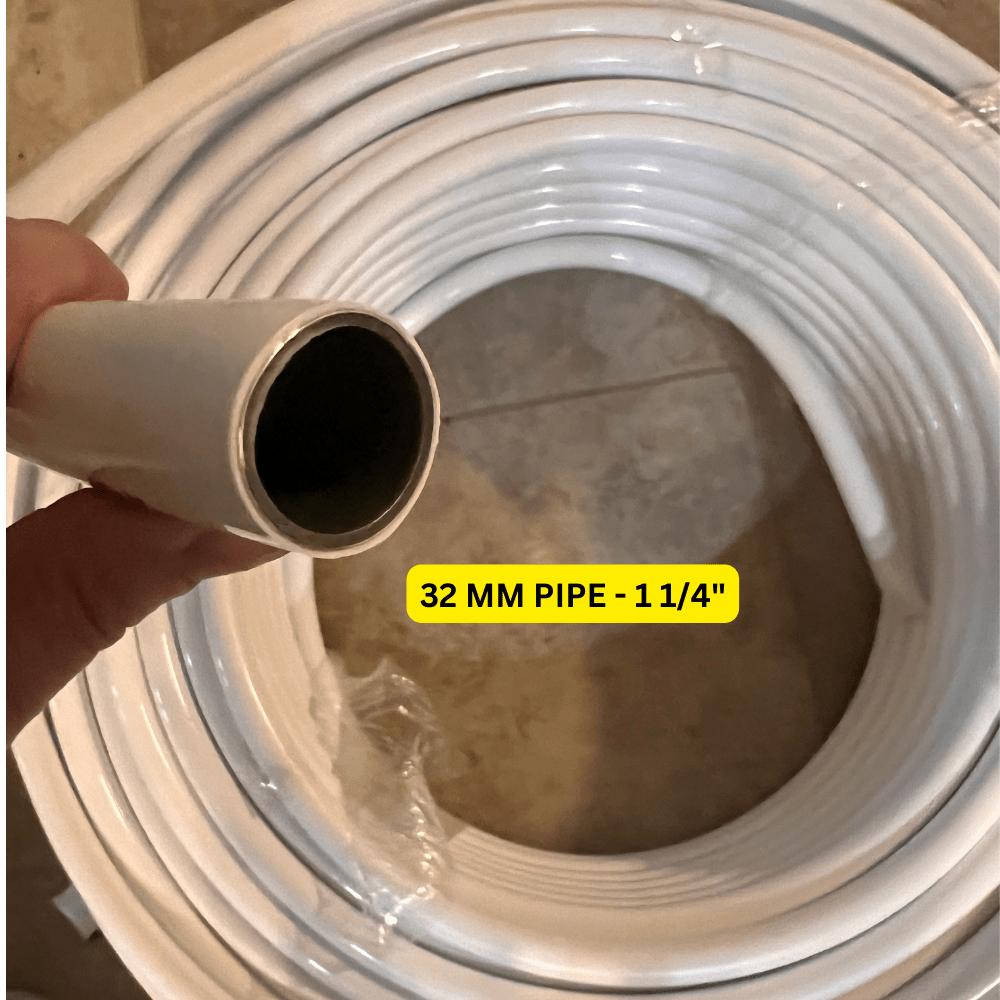
Ok, this is where it gets really fun. A bendable pipe isn't just a flexible tube — it's engineered to bend intentionally and then stay in that position. That's the key difference.
When you shape it into a gentle curve for a cascading arch, it holds that curve. When you angle it so a flower faces outward at 45 degrees, it stays at 45 degrees. No memory, no snap-back, no surprise collapses at 3pm during a four-hour event.
Our bendable pipes at Amazing Giant Flowers are designed specifically for large-scale floral installations. Here's what makes them work:
That last point is a big deal for DIYers who are building a kit they'll use over and over. You're not buying a single-use supply. You're investing in a tool.
💡 Pro Tip
When you first shape your bendable pipe, go slightly past the angle you want — maybe 5 to 10 degrees further. The pipe has just a tiny bit of natural resistance, and this overcorrection lands you right where you need to be once the flower head is attached and adding weight.
How to Use a Bendable Pipe for Different Giant Flower Displays
This is where I want to get really practical with you, because the technique changes a little depending on what kind of display you're building. I'll break down the most common setups I see DIYers tackle.
For a freestanding flower — the kind that stands alone in a vase, bucket, or weighted base — your bendable pipe acts as the full stem. Insert the bottom into your base (a bucket of sand, a weighted floral stand, or one of our freestanding kits), then shape the upper portion so the flower head faces exactly where you want it.
A slight forward tilt — around 15 to 20 degrees — makes the flower look natural and inviting rather than stiff and straight-up. Play with it before you attach the bloom. Get the angle right first.
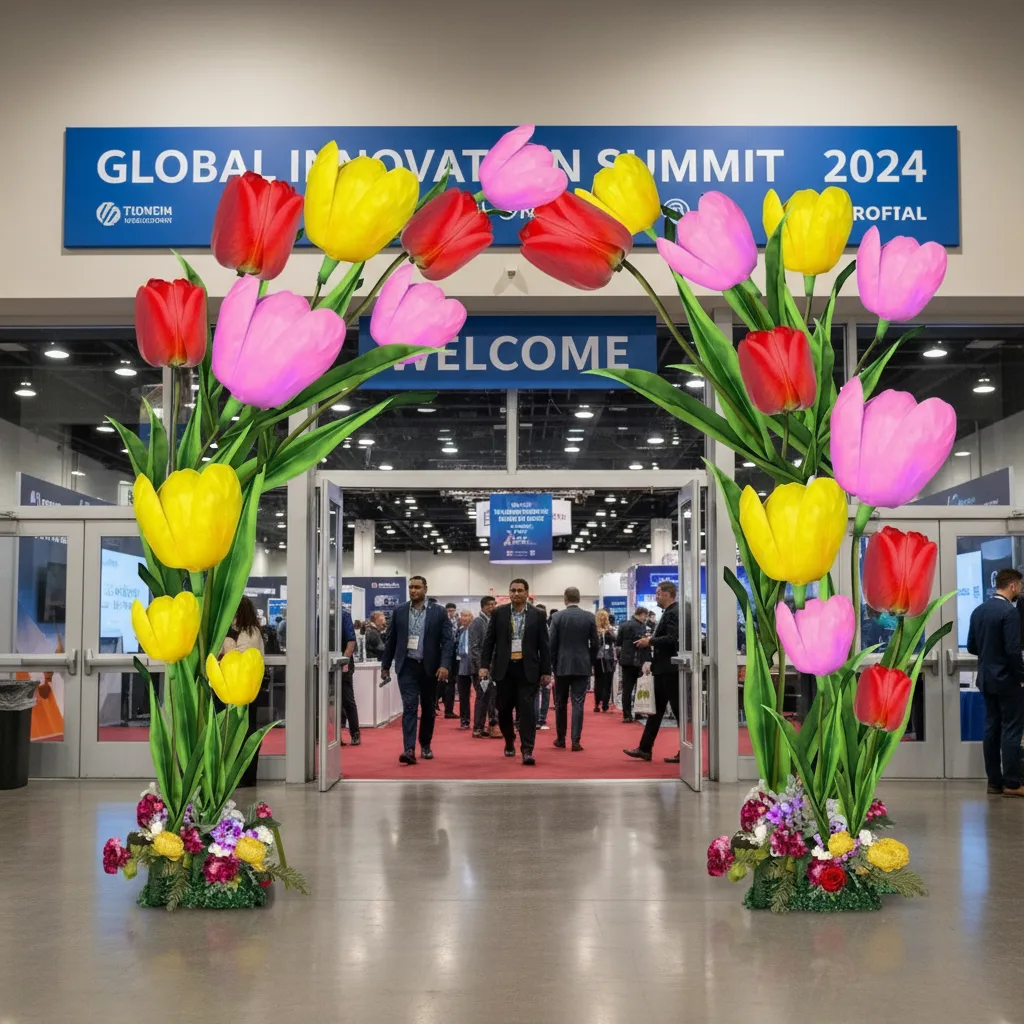
Arches are one of my favorite applications for bendable pipes. If you're building a giant flower wedding arch, you'll typically attach multiple pipes along the arch frame, each one curved outward so the flower faces the camera (or the guests).
The ability to bend each pipe individually means every flower can be positioned at a slightly different angle — which is exactly what creates that lush, organic, professional look. No two flowers pointing the exact same direction. Beautiful.
For ceiling installs or hanging flower clouds, bendable pipes let you create downward-facing blooms that look like they're floating. Bend the pipe into a hook or curve at the top for attachment, and angle the flower-end downward. The pipe holds the bloom in place without it spinning or drooping unevenly.
Even for wall backdrops, bendable pipes add dimension. Instead of every flower lying flat against the surface, you can angle some flowers outward — creating a 3D effect that photographs beautifully. If you're building a DIY giant flower backdrop for photos, this trick alone elevates the whole thing from flat to fabulous.
Not all bendable pipes are created equal. I learned this the hard way — buying cheap flexible conduit from a hardware store, thinking it would do the job. It didn't. It was either too stiff to shape easily or too flimsy to hold the weight.
Here's a quick comparison to help you figure out what you actually need:
| Stem Type | Flexibility | Weight Support | Reusable? | Best For |
|---|---|---|---|---|
| Bendable Pipe | High — shapes & holds | Excellent | Yes — reshape for each event | All giant flower displays |
| Wooden Dowel | None | Good (straight only) | Yes, but limited | Small, lightweight flowers |
| Thin Craft Wire | High — but too high | Poor | Limited | Paper flowers under 12" |
| PVC Pipe | None | Good | Yes | Straight freestanding only |
| Hardware Store Conduit | Varies — often too stiff | Inconsistent | Sometimes | Not recommended for giant flowers |
Real talk? If you're making flowers bigger than 14 inches, skip everything else on that list and go straight to a proper bendable pipe. The time you'll save in troubleshooting and the heartache you'll avoid is 100% worth it.
🌸 Ready to get started?
Browse our bendable pipe collection and find your perfect match for your next giant flower project.
A great stem needs a great flower to support — and vice versa. Here's how I recommend building out your full setup for the best results.
The material you use for your giant flower affects how much weight your stem needs to carry. EVA foam flowers are heavier but more durable and weather-resistant. Paper flowers are lighter but more delicate. Both work beautifully with bendable pipes — you just need to factor in the weight when choosing your pipe thickness.
If you're curious about which material is right for your project, check out my breakdown of foam flowers vs. paper flowers — it covers everything you need to know to make the right call.
Your bendable pipe is only as stable as what it's anchored into. For freestanding flowers, I love using our freestanding kits — they're designed to work perfectly with our pipes and take all the guesswork out of the base situation.
If you're DIYing your own base, a 5-gallon bucket filled with quick-set concrete or a heavy sandbag works well for outdoor events. For indoor events on smooth floors, a weighted base with rubber feet prevents sliding.
The Foam: Building Your Petals Right
The quality of your EVA foam matters more than most people realize. Dense, consistent foam holds its shape after heat shaping and doesn't add unnecessary weight. Cheap foam compresses unevenly and can make your flower look lumpy — no matter how perfect your stem situation is.
💡 Pro Tip
Before attaching your flower head to the bendable pipe, do a full dry run. Set the pipe in your base, shape it to your desired angle, then hold the (unattached) flower head in position for a few minutes. Watch for any drift or lean. Adjust the pipe shape before you commit with glue or attachment hardware. This five-minute step saves so much frustration.
Step-by-Step: Setting Up a Freestanding Giant Flower With a Bendable Pipe
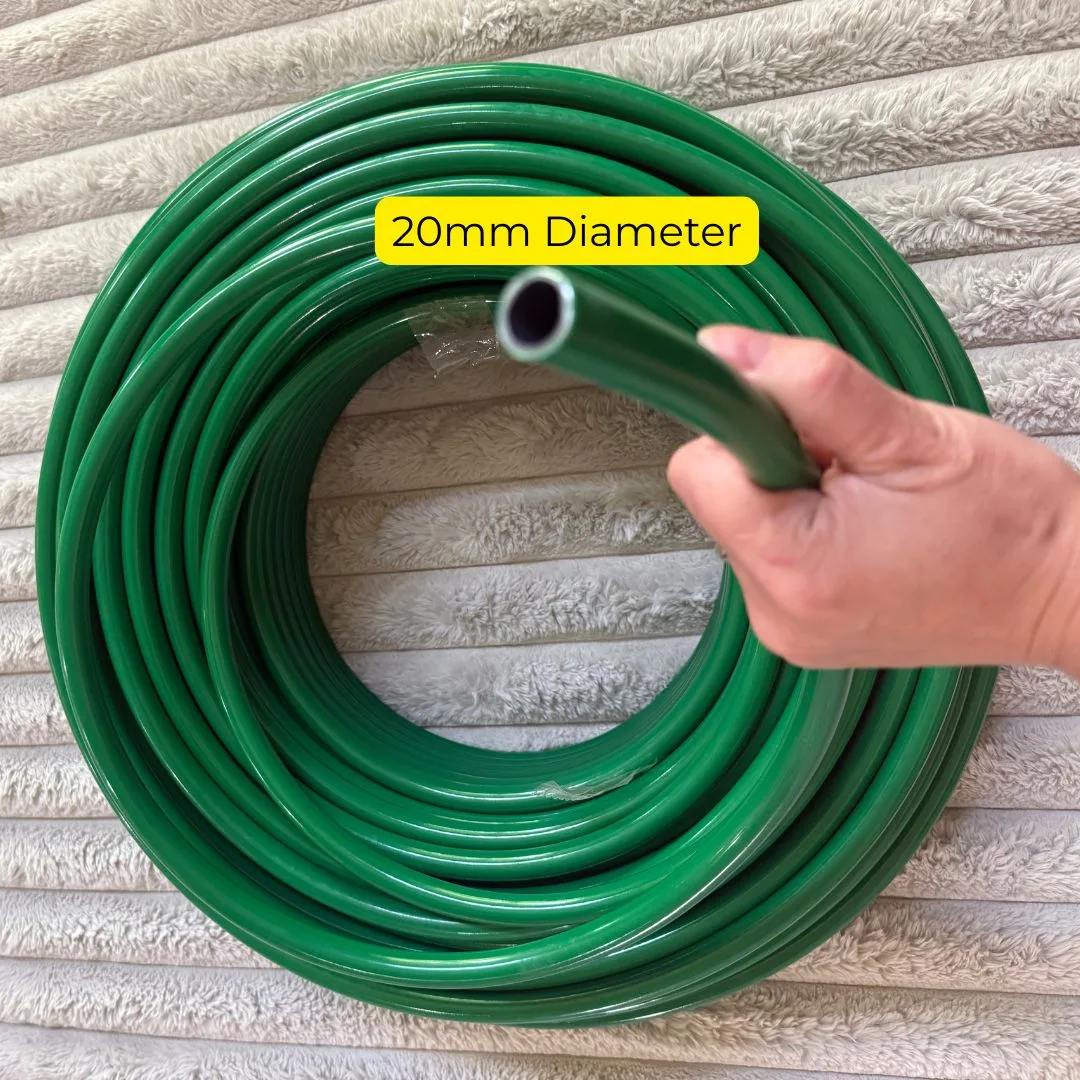
Let me walk you through my basic process so you can see how all of this comes together in real life.
- Step 1: Prepare your base. Set up your freestanding base or weighted bucket. Make sure it's stable on your surface before you do anything else.
- Step 2: Insert the pipe. Slide the bottom of your bendable pipe into the base. If you're using a bucket, you can tape or zip-tie the pipe to a central dowel for extra stability.
- Step 3: Shape the pipe. Bend the upper portion to your desired angle. Remember to overcorrect slightly to account for the flower head weight.
- Step 4: Test with the flower head. Hold your finished bloom in position for 2-3 minutes. Check the angle from multiple directions — and from the perspective of where your guests or camera will be.
- Step 5: Attach the flower. Once you're happy with the position, attach the flower head using your preferred method — hot glue, floral wire, or a pre-drilled center hole that slides over the pipe top.
- Step 6: Final check. Step back. Look at it from across the room. Make any last micro-adjustments to the pipe angle. Then leave it alone and let it shine.
A flower that stands up straight isn't just prettier — it's proof that you built something that lasts.
Frequently Asked Questions
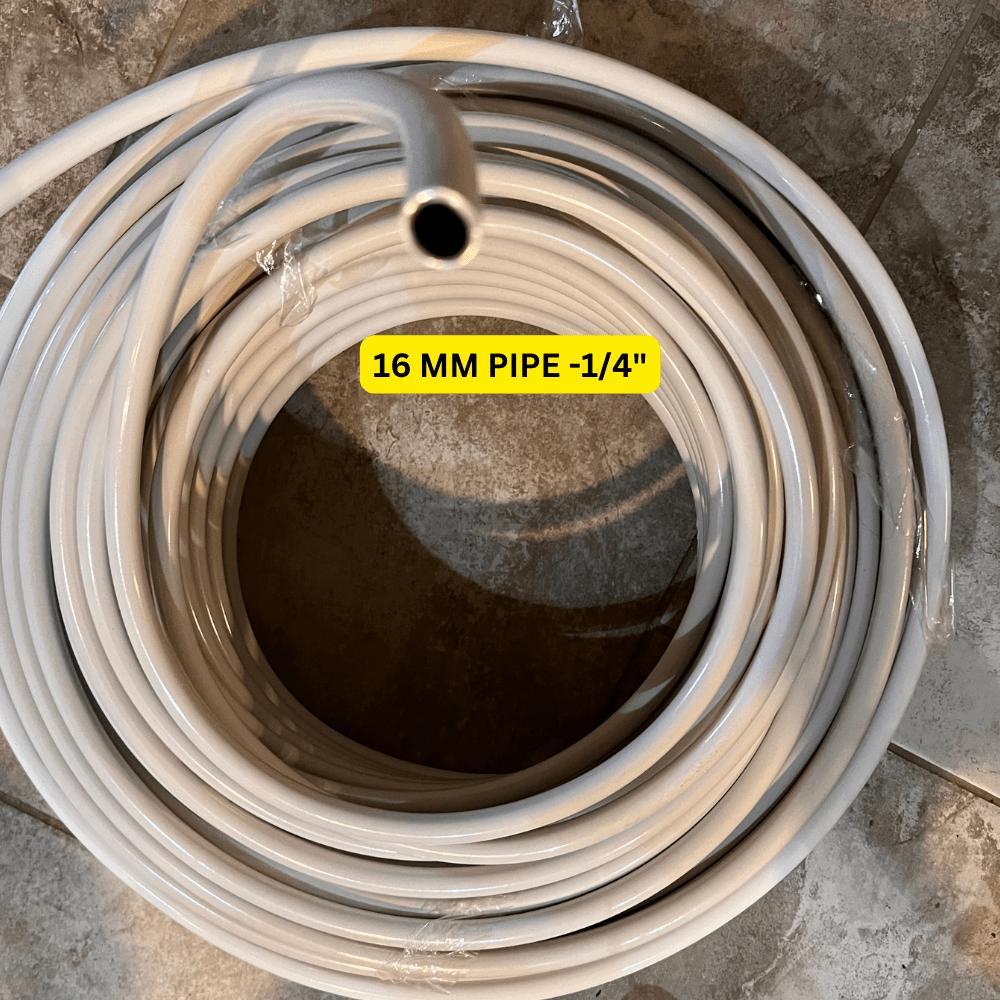
How heavy of a flower can a bendable pipe support?
Our bendable pipes are designed to support large giant flower heads, including full multi-layer EVA foam blooms. A typical 24-inch EVA foam flower weighs roughly 12 to 16 ounces — well within the support range of our pipes
Ready to Create Something Amazing?
Browse our collection of giant flower kits and start your next project today.