EVA Foam Thickness Guide: Which mm to Use for Every Petal

Key Takeaways
- 2mm EVA foam is your go-to for delicate, curved petals that need to bend and ruffle naturally.
- 4mm EVA foam is the sweet spot for most standard giant flower petals — sturdy enough to hold shape, flexible enough to curl.
- 6mm EVA foam works best for large structural petals and flower bases that need to support weight.
- 8mm–10mm EVA foam is reserved for stems, structural cores, and heavy-duty freestanding flowers over 4 feet tall.
- Choosing the wrong thickness is the #1 reason DIY giant flowers look flat, floppy, or stiff — and it's 100% avoidable.
Why EVA Foam Thickness Actually Matters More Than You Think
EVA foam is not all the same. Even if two sheets look identical sitting on a table, the difference between 2mm and 6mm is enormous once you start shaping petals.
Thickness controls three things: flexibility, weight, and how the foam responds to heat. All three of those factors directly affect how your finished flower looks and holds up over time.
Thinner foam curves more easily and creates those gorgeous natural-looking ripples. Thicker foam holds a rigid shape but resists bending — which is exactly what you want for structural pieces and not what you want for soft, romantic petals.
According to Statista, the US craft industry generates over $44 billion annually — and foam crafting is one of the fastest-growing segments. More people are making giant flowers than ever before, and more people are making thickness mistakes than ever before too.
Real talk? Most beginner tutorials online skip over this entirely. They just say "use EVA foam" like that's a complete answer. It's not. It's like saying "use fabric" when someone asks how to sew a wedding dress.
If you want to go deeper on all the different foam types beyond just thickness, I wrote a whole breakdown over at A Crafter's Guide to Every Type of Foam for Giant Flowers — that's a great companion read to this one.
The Complete EVA Foam Thickness Guide for Flower Petals: Breaking Down Every Size
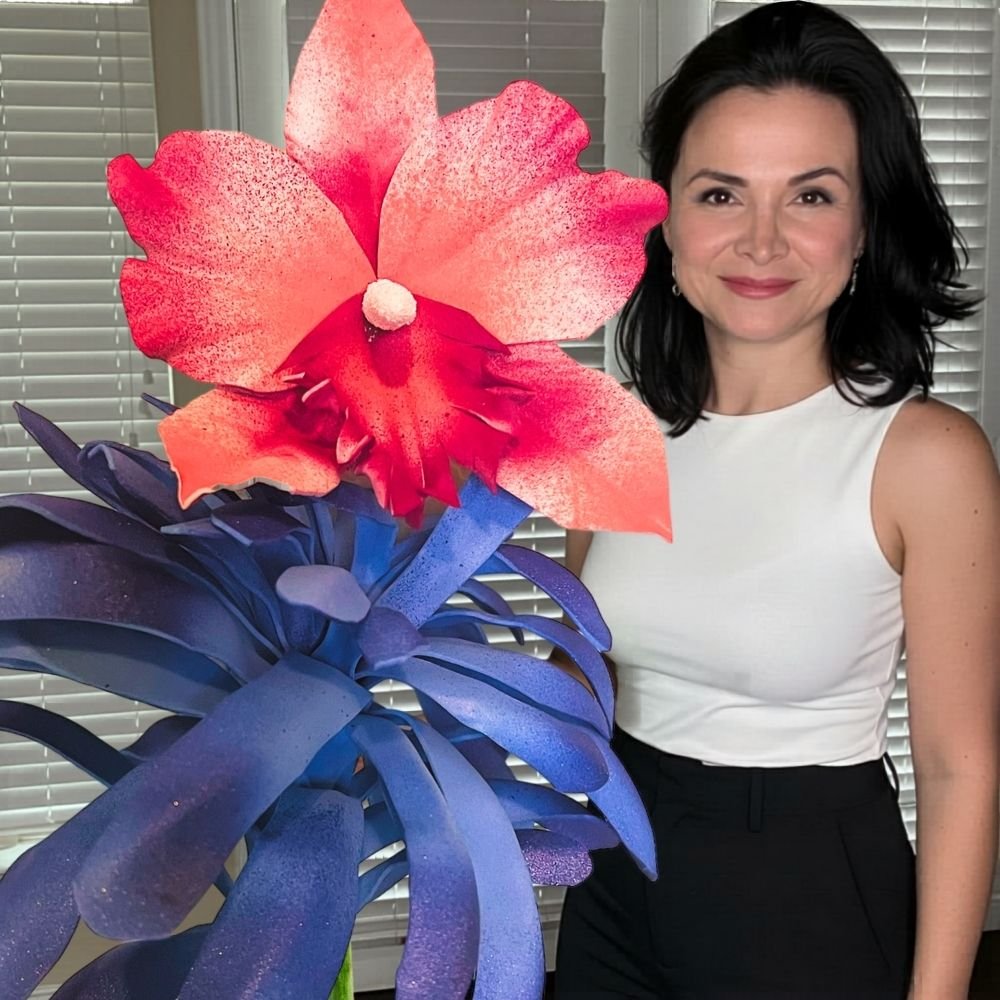
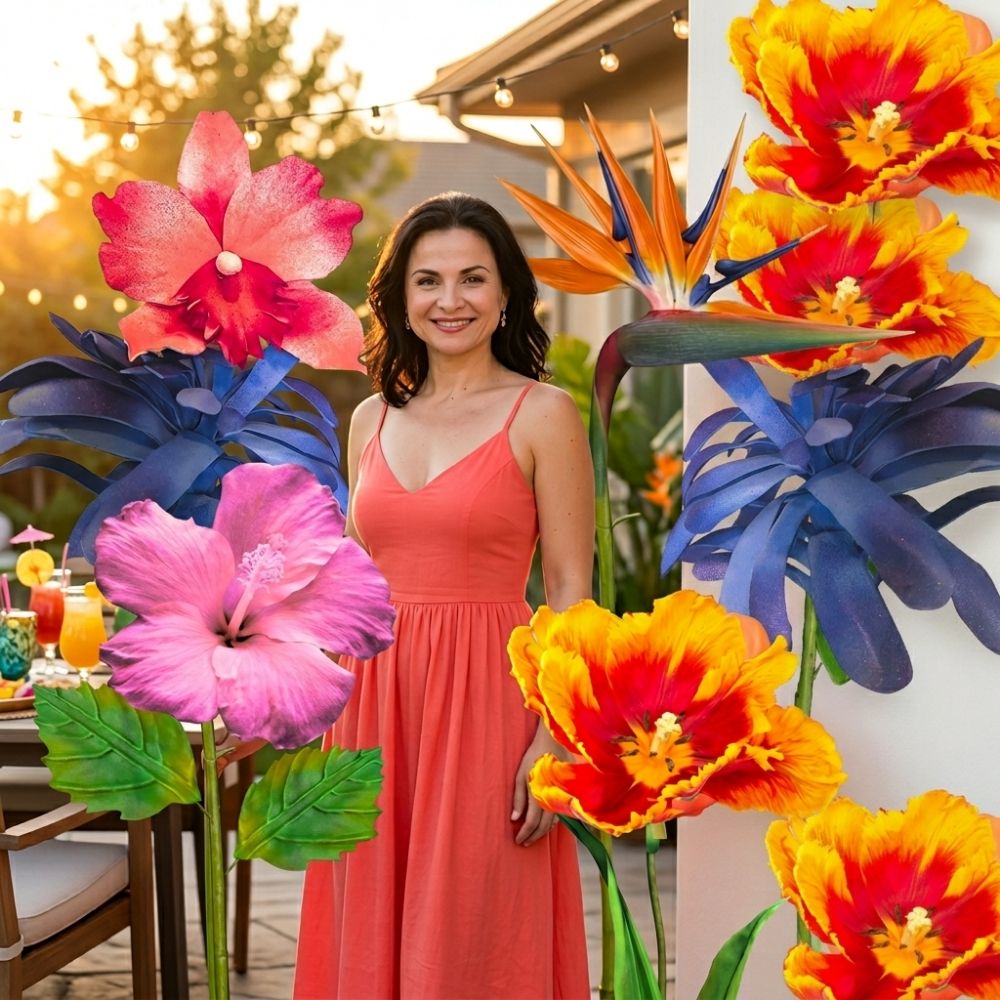
Let me walk you through each thickness and tell you exactly what I use it for. These aren't just opinions — these are lessons from building hundreds of giant flowers for clients ranging from backyard birthday parties to Disney and Dolce & Gabbana installations.
2mm EVA Foam: The Delicate Petal Champion
2mm foam is the thinnest you'll typically work with for flower petals, and it is absolutely magical for the right applications.
This thickness bends with almost no heat required. You can shape it with just your hands and a quick pass of a heat gun or even warm water. The result is soft, flowing curves that look incredibly realistic.
I love 2mm for:
- Ranunculus petals: Those thin, layered, tissue-paper-like petals need foam that moves. 2mm gives you that soft stacked look.
- Ruffled rose petals: When you want a romantic, garden-rose feel with lots of natural curl and movement.
- Small accent flowers: Anything under 18 inches in diameter where you want delicacy, not bulk.
- Inner petals on layered designs: The innermost layers of a large flower often look best in 2mm even if the outer petals are thicker.
The downside? 2mm foam is not structural. It will not hold a shape on its own if it's large. Anything over about 12 inches in a single petal needs support underneath or it will droop.
4mm EVA Foam: The Sweet Spot for Most Giant Flower Petals
If I had to pick one thickness to work with forever, it would be 4mm. This is my everyday workhorse and the thickness I use most in our kits at Amazing Giant Flowers.
4mm strikes that perfect balance. It's flexible enough to curl and shape beautifully with a heat gun, but sturdy enough that a 24-inch petal holds its shape without drooping.
This is the thickness I recommend for:
- Standard giant flower petals (18–36 inches): The bread and butter of most event flowers. 4mm handles this size range beautifully.
- Dahlias and chrysanthemums: These flowers have lots of medium-sized petals that need to hold a slight curve without being rigid.
- Sunflowers: Those long, flat petals radiating outward? 4mm keeps them perky without looking stiff.
- Wall-mounted flowers: When the flower is supported by the wall, 4mm petals look lush and full without adding unnecessary weight.
- Wedding arch flowers: The most common size for arch installations — see my full guide on Giant Flower Wedding Arch: A Complete Guide for 2026.
A Brides.com survey found that couples spend an average of $2,000–$2,500 on wedding flowers. Giant foam flowers made with 4mm EVA can recreate that same lush look for a fraction of that cost — and they last forever.
6mm EVA Foam: The Structural Workhorse
6mm foam is where things start getting serious. This thickness is noticeably stiffer and requires a proper heat gun to shape — but that stiffness is exactly what you need in certain situations.
I reach for 6mm when I need petals to hold a dramatic, upright position without any additional support. Think of a large tropical flower where the outer petals splay out boldly and don't budge.
Best uses for 6mm:
- Outer petals on large freestanding flowers (3–5 feet): When the flower is standing on its own, those outer petals need to be rigid enough to support the weight above them.
- Tropical flowers (heliconias, birds of paradise): Bold, architectural blooms that need to hold strong geometric shapes.
- Flower bases and centers: The disc at the center of a sunflower or gerbera daisy needs to be firm. 6mm is perfect here.
- Outdoor event flowers: If there's any chance of wind, go thicker on the outer petals. 6mm resists movement much better than 4mm.
One thing I want you to remember: 6mm is harder to curl tightly. If you need a petal to roll back on itself dramatically, you'll need to apply heat slowly and work in sections. Rushing it will crack the foam.
8mm–10mm EVA Foam: Structure, Stems, and Support
At 8mm and 10mm, we're mostly out of petal territory and into structural territory. I rarely use these thicknesses for individual petals — but they are absolutely essential for certain parts of a giant flower build.
This is what I use 8mm–10mm for:
- Freestanding flower bases: The platform that your flower sits on needs to be rock solid. 10mm foam layered and glued creates a stable foundation.
- Structural stem reinforcement: Wrapped around a PVC pipe or wire core, thick foam adds bulk and a realistic look to stems.
- Large flat petal backings: Sometimes I'll layer a thin decorative petal over a thick backing piece to get both the look and the structure.
- Signage and backdrop panels: Not technically petals, but if you're building a foam backdrop, 10mm gives you a solid panel to work from.
Honestly, if you try to make a standard flower petal out of 10mm foam, it's going to look chunky and feel heavy. Save the thick stuff for where it counts.
EVA Foam Thickness Comparison Table
Here's a quick reference I put together so you can see everything at a glance. I use this kind of breakdown when I'm planning a new flower design from scratch.
| Thickness | Flexibility | Best Petal Size | Best Flower Types | Heat Required? |
|---|---|---|---|---|
| 2mm | Very High | Up to 12 inches | Ranunculus, ruffled roses, small accents | Minimal — hands or warm water |
| 4mm | High | 12–36 inches | Dahlias, sunflowers, peonies, roses | Light heat gun use |
| 6mm | Medium | 24–48 inches | Tropical flowers, large outer petals, bases | Yes — consistent heat gun work |
| 8mm | Low | Structural only | Bases, backings, stem wraps | Yes — high heat needed |
| 10mm | Very Low | Structural only | Platforms, panels, heavy-duty bases | Yes — high heat, work in sections |
Print that out and tape it above your craft table. Seriously. It'll save you so much second-guessing.
How Flower Size Affects Your EVA Foam Thickness Choice
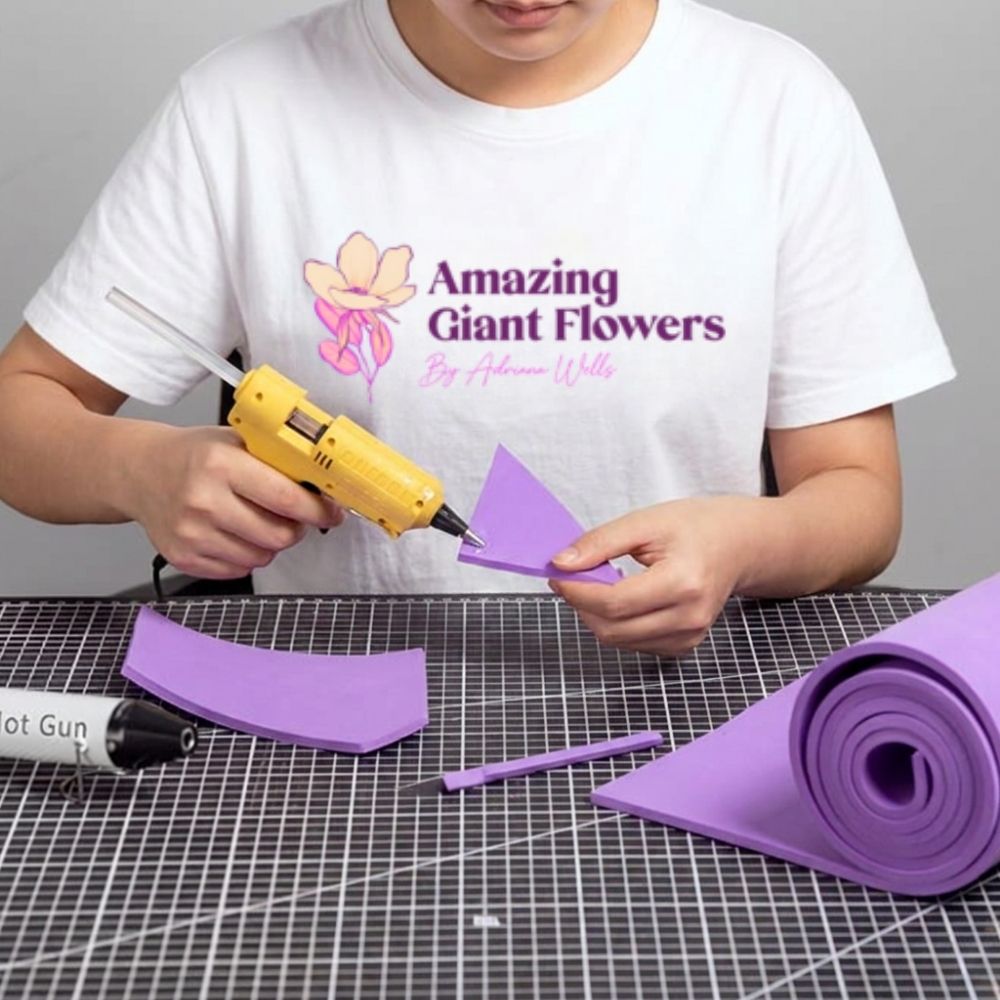
Here's something I see people overlook constantly: the size of the finished flower matters just as much as the type of flower when choosing thickness.
A 2-foot dahlia and a 5-foot dahlia are not built the same way. The physics are completely different.
For a 2-foot flower, 4mm petals work beautifully on their own. The petals are small enough that they don't need extra stiffness to hold their shape.
For a 4–5 foot flower, I often mix thicknesses. The outer petals might be 6mm for structural integrity, the middle layer 4mm, and the innermost decorative petals 2mm for that soft, realistic look. It's like building a house — different materials for different jobs.
According to The Knot's annual wedding report, the average US wedding now costs over $30,000 — which is exactly why so many couples are turning to DIY giant foam flowers to stretch their budget without sacrificing impact.
If you're planning a wedding installation, check out my post on Giant Foam Flowers for Wedding Arch — I go deep into sizing and placement there.
The Heat Gun Factor: How Thickness Changes Your Shaping Process
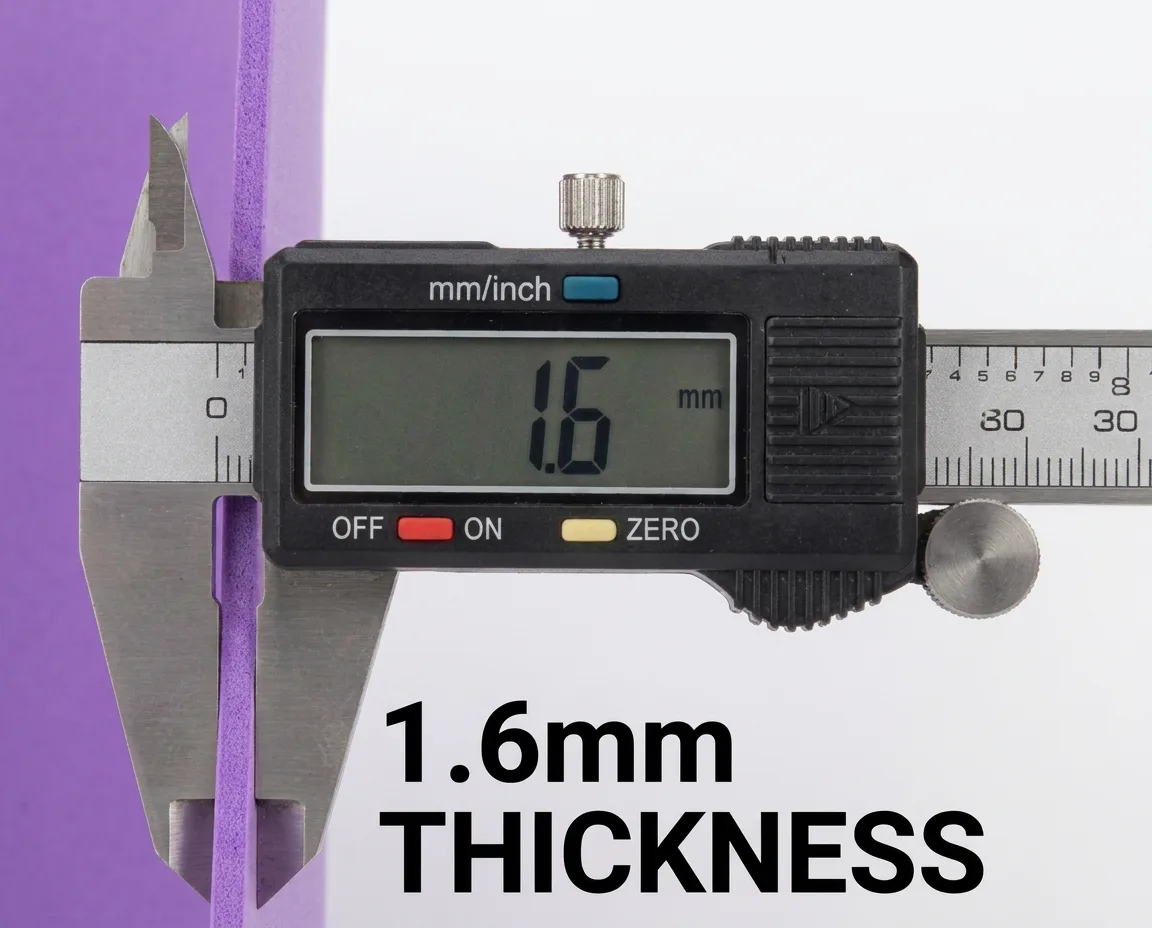
Ok, this is where it gets really fun. The heat gun is your best friend in foam flower making — but the way you use it changes completely depending on your foam thickness.
Shaping 2mm Foam
2mm foam responds almost instantly to heat. A quick pass — we're talking 1–2 seconds — is usually enough to make it pliable.
The danger with thin foam is overheating. Hold the gun too close or too long and you'll get bubbles, melting, or warping that you can't fix. Keep the gun at least 4–6 inches away and keep it moving.
Shaping 4mm Foam
4mm foam needs about 3–5 seconds of heat exposure to become properly pliable. You'll feel it soften in your hands — that's your signal to start shaping.
Work quickly once it's warm. 4mm cools and sets faster than you'd think. I always shape over a rounded surface — a ball, a bowl, even my knee — to get a natural curve.
Shaping 6mm Foam
6mm foam takes patience. You need to heat it longer — sometimes 8–12 seconds for a large petal — and work in sections rather than trying to shape the whole thing at once.
This is where beginners get frustrated and start forcing the foam. Don't. If it's resisting, it needs more heat. Forcing cold foam causes cracks along the surface that you cannot hide.
For more on painting and finishing your foam after shaping, my guide on Your Guide to Flawless Foam Board Paint Finishes covers everything you need to know about getting a beautiful, professional surface.
Common Thickness Mistakes (And How to Avoid Them)
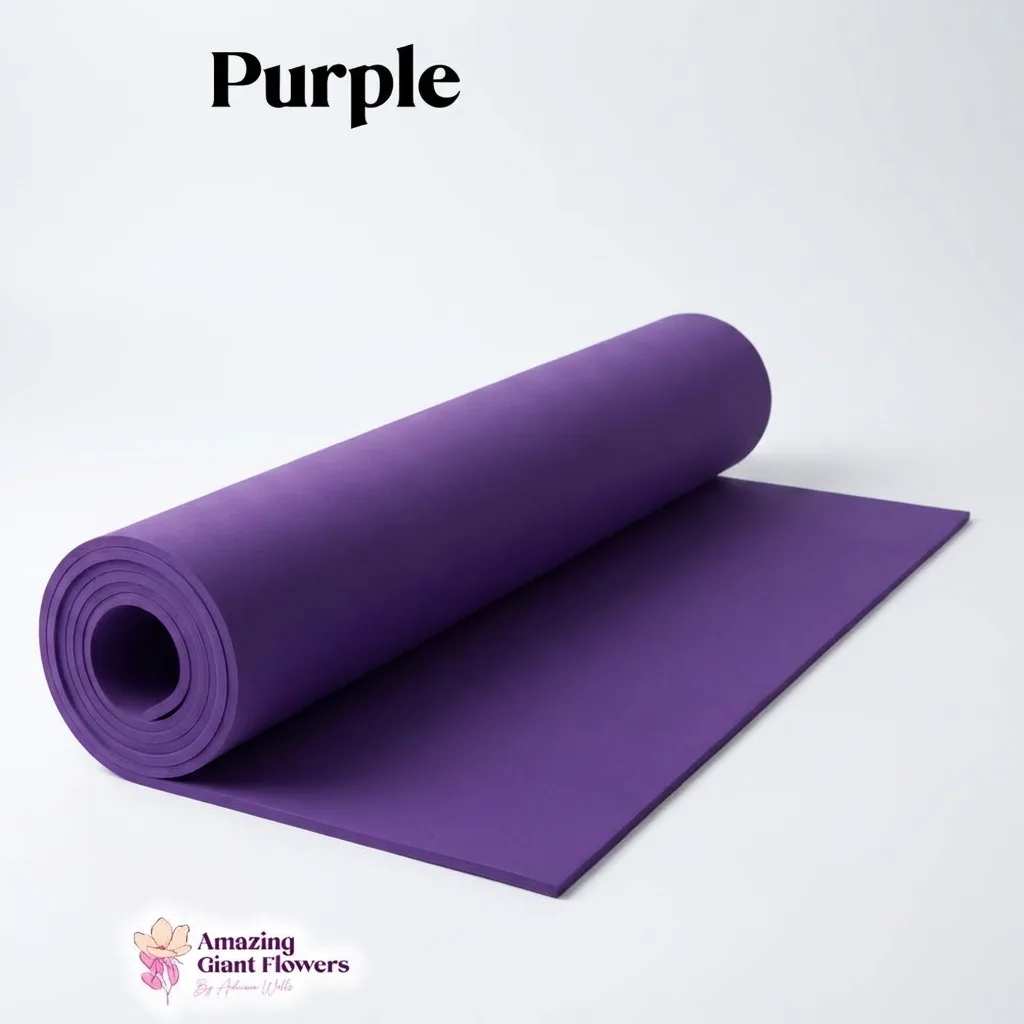
Let me save you some heartbreak. These are the most common thickness mistakes I see — and I've made most of them myself at some point.
Mistake #1: Using thick foam for small petals. If your petal is under 10 inches, you almost never need 6mm. The extra thickness just adds weight and makes the flower look chunky and fake.
Mistake #2: Using thin foam for large unsupported petals. A 30-inch petal in 2mm foam will flop within hours. It has no structural memory to hold the curve you worked so hard to create.
Mistake #3: Using the same thickness for every layer. Variety is what makes a flower look real. Mix your thicknesses intentionally — thinner toward the center, thicker toward the outer layers that need to support weight.
Mistake #4: Buying cheap foam with inconsistent density. Not all EVA foam is created equal. Discount foam often has air pockets and inconsistent thickness across the sheet. That means some parts of your petal behave completely differently from others. It's maddening.
Mistake #5: Ignoring the foam's density rating. Thickness and density are two different things. A high-density 4mm foam will behave more like a low-density 6mm. Always check the density spec when you're buying — not just the millimeter measurement.
According to IBISWorld, the US floral industry is worth $7.9 billion — and a growing chunk of that is shifting toward artificial and foam alternatives for events. Getting your materials right is what separates a professional-looking result from a craft project gone wrong.
Choosing Thickness for Specific Flower Styles
Let me get really specific here because I know some of you are building a particular flower and need a direct answer.
Giant Roses
For a classic giant rose, I use 4mm for the outer petals and 2mm for the inner spiraling petals. The inner petals need to curl tightly and look soft. The outer petals need to splay open gracefully.
Giant Peonies
Peonies are all about volume and ruffling. I use 2mm almost exclusively for peonies because those petals need to be super soft and layered. The center gets a little structure from the base piece, which I cut from 4mm.
Giant Sunflowers
Sunflower petals are long and relatively flat. 4mm works perfectly here. The center disc — that beautiful brown textured circle — I make from 6mm foam so it's firm and holds its domed shape.
Giant Tropical Flowers
Tropical blooms like anthuriums and heliconias need bold, architectural shapes. I go 6mm for the main petals and use the heat gun to create dramatic curves and points. These flowers need to look bold and structural — not soft and romantic.
If you're building flowers for a photo booth or backdrop installation, my post on DIY Giant Flower Backdrop for Photos: Easy Guide walks through the whole process with size and thickness recommendations for backdrop-specific builds.
Where to Buy Quality EVA Foam in the Right Thickness
This matters more than people realize. Where you buy your foam affects everything — consistency, color, density, and how it responds to heat and glue.
I've tested foam from craft stores, online marketplaces, and specialty suppliers. The quality varies wildly. Craft store foam is often inconsistent in thickness across a single sheet — I've measured sheets that were supposed to be 4mm and found spots that were closer to 3mm or 5mm.
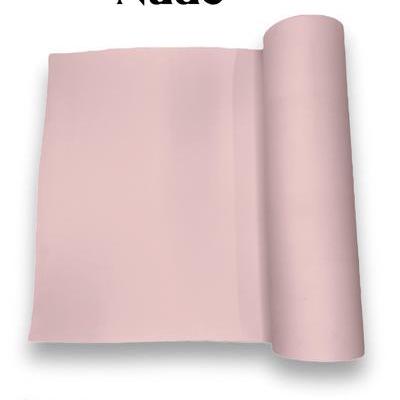
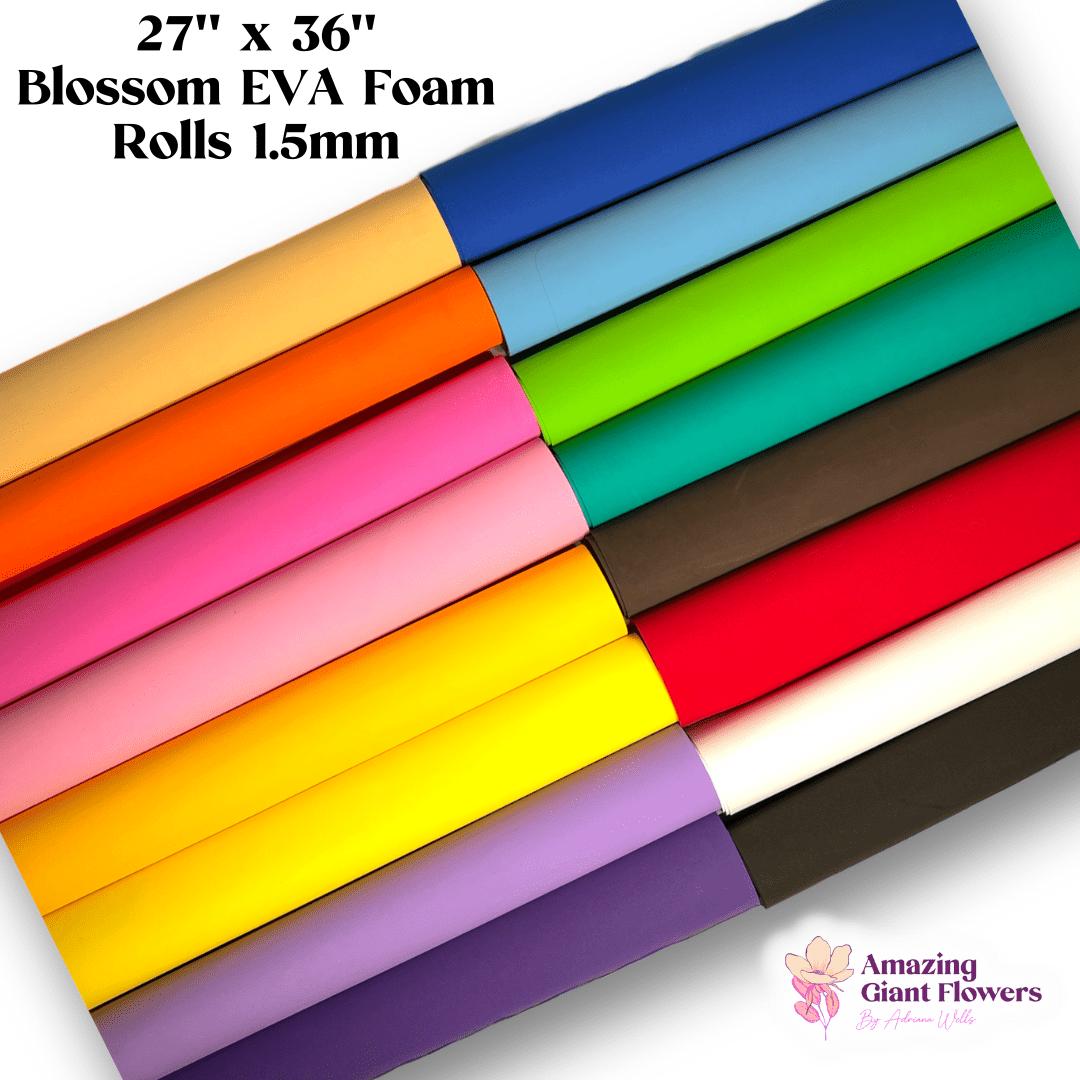
At Amazing Giant Flowers, we carry EVA foam sheets in 2mm, 4mm, 6mm, and 8mm — all tested and selected specifically for giant flower making. I only stock what I actually use in my own builds.
According to HGTV's craft trend reports, oversized floral decor has been one of the top DIY trends for three consecutive years. The demand is real — and so is the need for quality materials to back it up.
If you're comparing material options beyond EVA foam, my post on Large Fabric Flower Tutorial: How to Make Giant Blooms is a great look at how fabric compares to foam for different project types.
Frequently Asked Questions
What is the best EVA foam thickness for giant flower petals?
4mm EVA foam is the best all-around thickness for giant flower petals. It's flexible enough to curl and shape with a heat gun, but sturdy enough that petals up to 36 inches hold their shape without drooping. For very delicate or small petals, drop down to 2mm. For large structural outer petals on 4–5 foot flowers, step up to 6mm.
Can I use 2mm EVA foam for large petals?
For petals larger than about 12 inches, 2mm foam on its own will not hold its shape. It's too thin to maintain a curve once it cools. You can use 2mm for large petals if you back them with a sturdier piece of foam underneath, but as a standalone petal material for big blooms, it'll flop. Stick to 2mm for small, delicate, inner petals.
Do I need a heat gun to shape EVA foam petals?
For 2mm foam, you can often shape petals with just your hands or a brief dip in warm water. For 4mm and above, a heat gun is really non-negotiable if you want consistent, professional-looking curves. A basic $20–$30 craft heat gun from any hardware store works perfectly — you don't need anything fancy.
How do I know if my EVA foam is high quality?
Good quality EVA foam is consistent in thickness across the entire sheet, has a smooth surface without bubbles or pits, and bounces back when you press it. It should feel slightly spongy but firm. When you heat it, it should become pliable evenly — not soften in patches. If you're getting uneven results, the foam quality is usually the culprit.
What thickness EVA foam do I need for freestanding flowers?
For freestanding flowers under 3 feet, 4mm petals with a 6mm base work well. For 3–5 foot freestanding flowers, I recommend 6mm for the outer petals, 4mm for the middle layers, and 8mm–10mm for the structural base. The base is what keeps your flower upright, so don't skimp there.
Can I mix different thicknesses in one flower?
Absolutely — and honestly, you should mix thicknesses. Real flowers aren't uniform. The innermost petals of a rose are thin and delicate; the outer petals are broader and sturdier. Mimicking that with 2mm inner petals and 4mm–6mm outer petals makes your giant flower look dramatically more realistic and professional.
Choosing the right foam thickness is one of those things that feels overwhelming at first and then becomes second nature. Once you've built a few flowers and felt the difference between 2mm and 6mm in your hands, you'll just know. That instinct develops fast.
If you're ready to stop guessing and start building, head over to the Amazing Giant Flowers shop — we have everything you need, from pre-cut kits to individual foam sheets in every thickness. And if you have questions about a specific project you're working on, drop them in the comments or reach out directly. I genuinely love helping people figure this stuff out. What flower are you building?
Ready to Create Something Amazing?
Browse our collection of giant flower kits and start your next project today.