Selling Handmade Foam Flowers: How to Price Your Work Fairly

Key Takeaways
- Most crafters underprice by 40-60% because they forget to account for time, overhead, and profit margin — not just materials.
- A solid pricing formula covers materials + labor + overhead + profit margin, and each element matters equally.
- Giant foam flowers can realistically sell for $80–$350+ per piece depending on size, complexity, and market positioning.
- Your pricing should vary by sales channel — Etsy, local events, direct corporate clients, and wholesale all require different strategies.
- Raising your prices often attracts better clients, not fewer — premium positioning is a real and powerful strategy.
Why So Many Crafters Underprice Their Foam Flowers
There are a few reasons this happens. We feel guilty charging "a lot" for something we enjoy. We're scared customers will say no. We compare ourselves to mass-produced party store decorations that cost $12. But here's the thing — you are not competing with Party City. You are competing with custom floral designers, event decorators, and experiential marketing companies. That's a completely different pricing universe.
According to Statista, the global handicrafts market is projected to reach over $1.2 trillion by 2027. There is serious money in handmade goods — but only if you price them correctly.
The Core Pricing Formula Every Foam Flower Seller Needs
Step 1 — Calculate Your True Material Costs
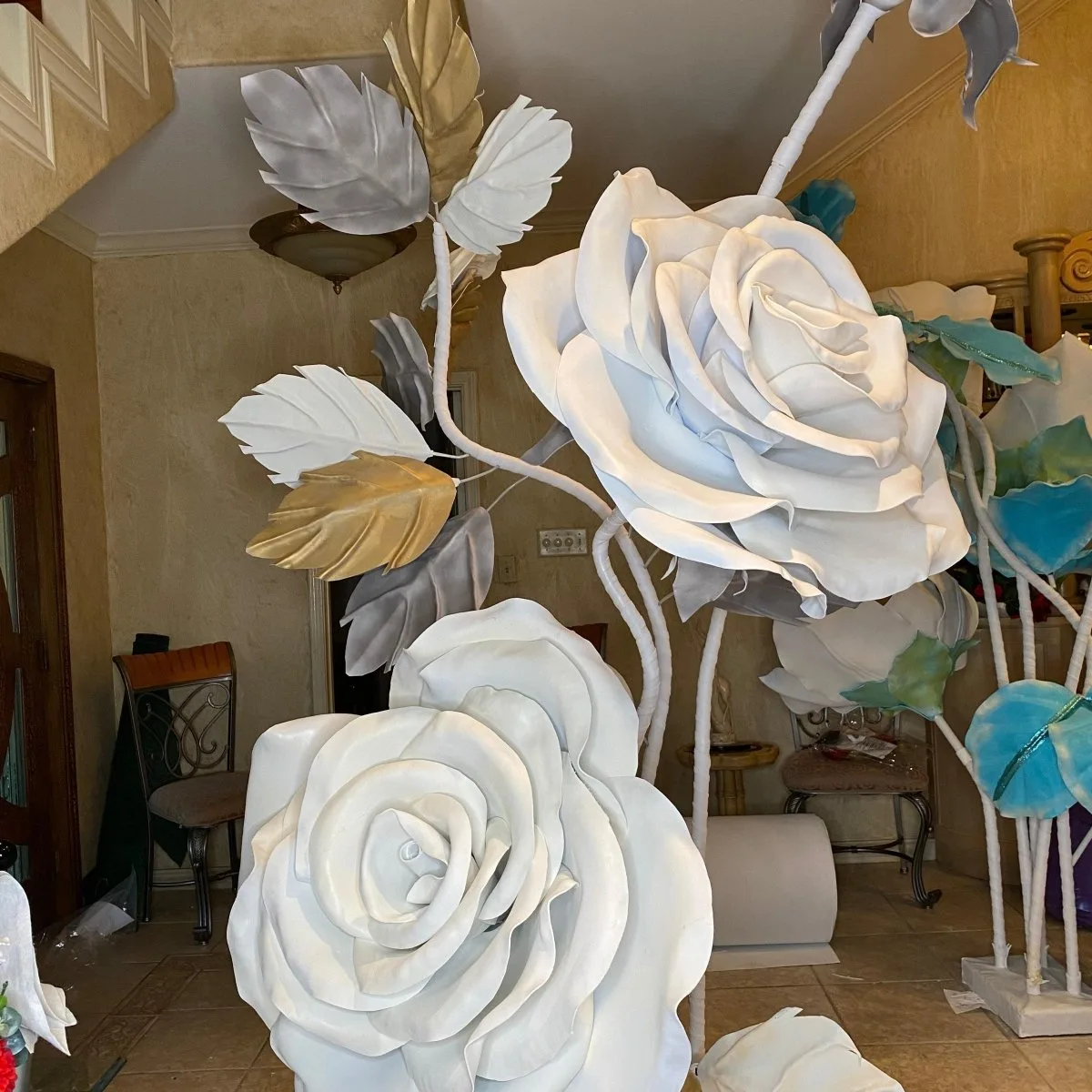
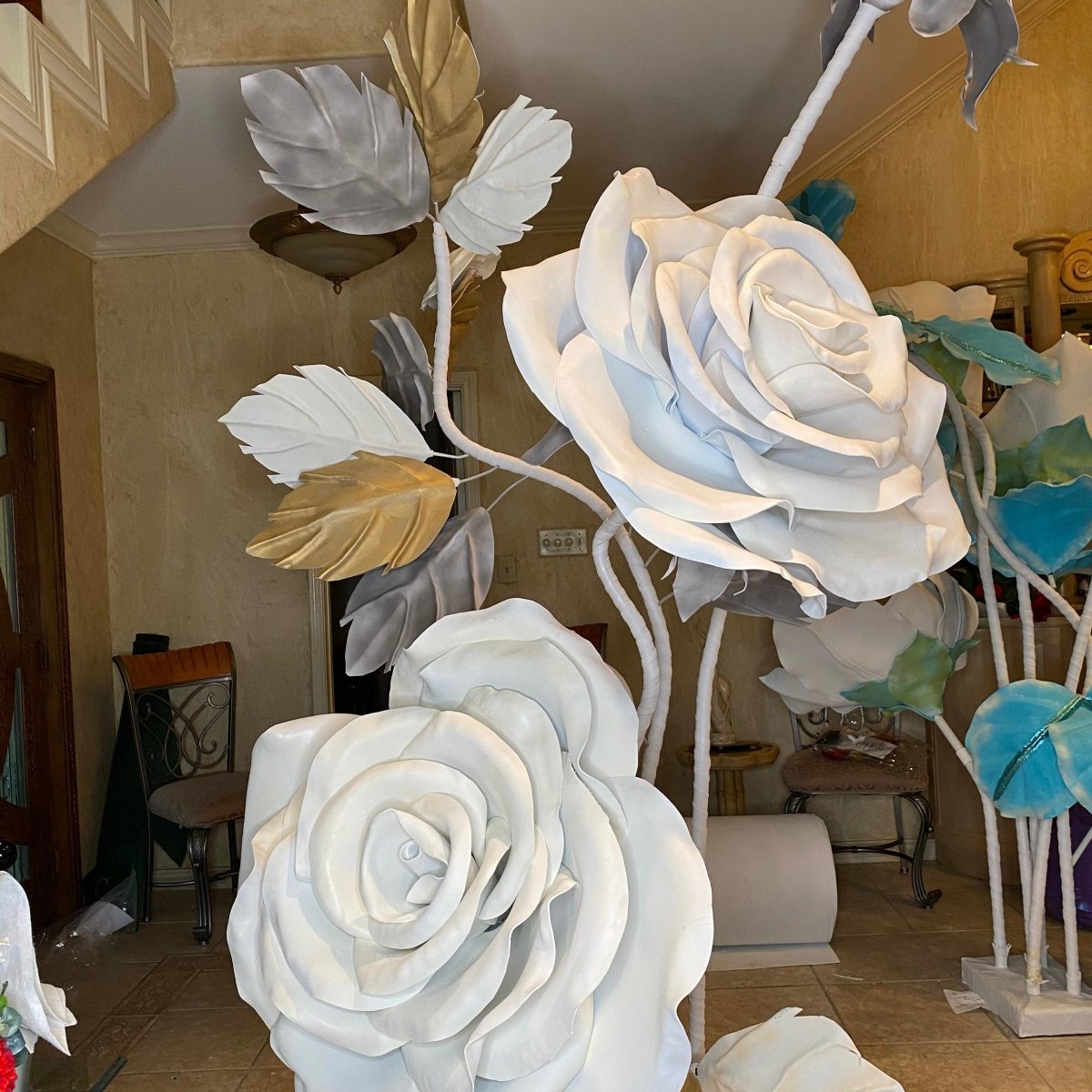
This sounds obvious, but most people undercount. Your materials aren't just the EVA foam sheets. They include everything that touches that flower.- EVA Foam Sheets: Typically $2–$6 per sheet depending on thickness. A large 3-foot flower might use 3-4 sheets.
- Bendable Pipe Stems: Around $1.50–$3 per stem, and some designs need multiple.
- Hot Glue Sticks: Don't laugh — a complex flower can eat through 8-12 sticks. At bulk pricing that's still $1.50–$3 per piece.
- Paint & Sealant: Pro-rate your paint costs per project. A bottle of acrylic that costs $8 might cover 6 flowers, so that's about $1.33 per flower.
- Packaging & Shipping Materials: Boxes, tissue, tape, labels — easily $4–$12 per order depending on size.
Step 2 — Pay Yourself a Real Hourly Rate
This is the big one. This is where most crafters completely fall apart. You need to decide on an hourly rate and stick to it. Not minimum wage. A skilled artisan rate. I'd suggest $20–$35/hour minimum if you're newer, and $40–$60+/hour once you have a portfolio and client history.Track your time honestly. A 3-foot freestanding flower might take you 3–5 hours when you factor in cutting, shaping, assembling, painting, and photographing. At $25/hour, that's $75–$125 in labor alone. Before materials. Before profit. I know that feels like a lot. It isn't. It's fair.
Step 3 — Factor In Overhead Costs
Overhead is everything it costs to run your business that isn't tied to a specific product. Most crafters completely ignore this and then wonder why they're not actually making money.- Etsy Fees: Listing fees ($0.20/item), transaction fees (6.5%), and payment processing (~3%) add up fast.
- Studio Space or Storage: Even if it's your garage, pro-rate a portion of your rent or mortgage.
- Tools & Equipment: Heat guns, cutting mats, rotary cutters, glue guns — depreciate these over time and add a small amount per piece.
- Photography & Marketing: Your time taking product photos, running social media, or paying for ads is a real business cost.
- Business Insurance & Licenses: If you're selling commercially, these costs need to be covered somewhere.
Step 4 — Add Your Profit Margin
Here's something a lot of crafters don't understand: profit margin is not the same as your hourly wage. Your wage is what pays you for your time. Profit is what grows your business. It's what lets you buy new tools, invest in better materials, take a course, or just have a cushion when a slow month hits.Add 15–30% profit margin on top of your total cost. If your materials + labor + overhead come to $120, your profit at 20% is $24, making your price $144. That's not greedy. That's sustainable.
Real Pricing Examples for Giant Foam Flowers
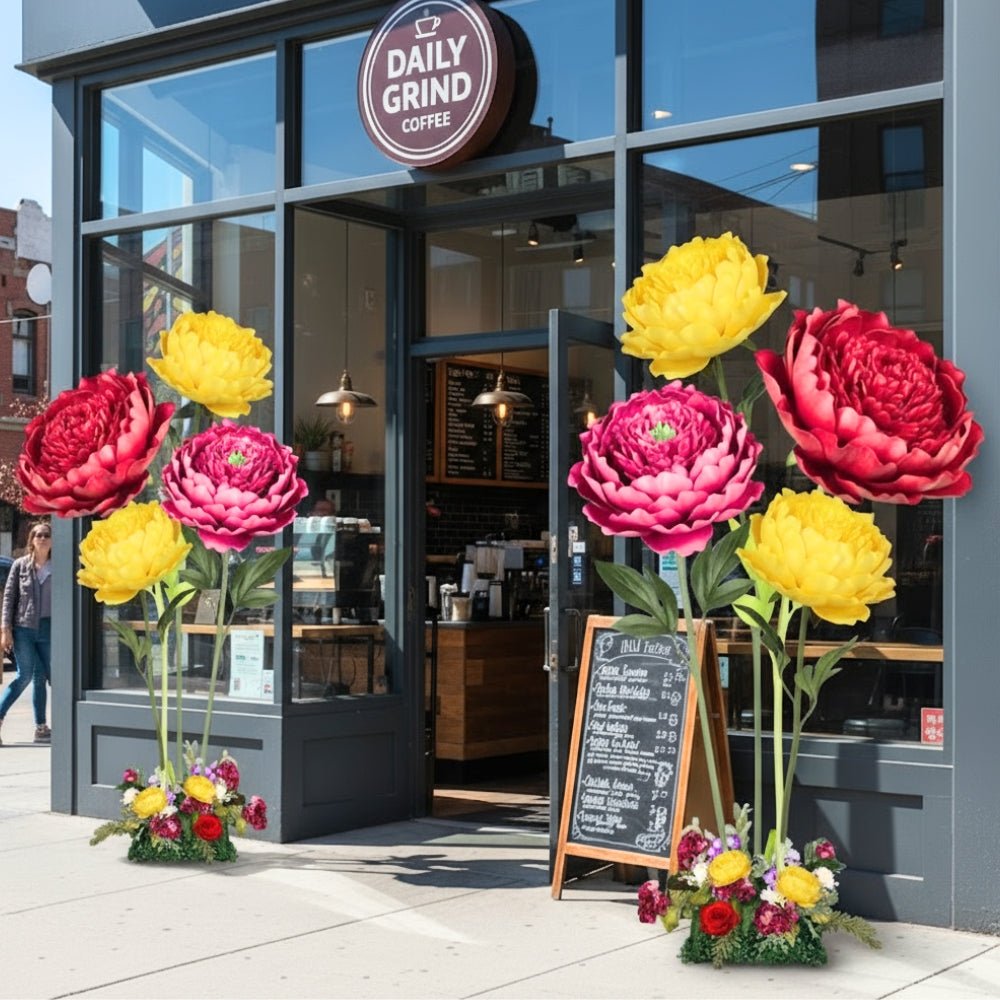
| Flower Type | Size | Est. Materials | Est. Labor (hrs) | Suggested Retail Price |
|---|---|---|---|---|
| Simple Wall Flower | 2 feet | $12–$18 | 1.5–2 hrs | $75–$110 |
| Freestanding Dahlia | 3 feet | $22–$30 | 3–4 hrs | $140–$185 |
| Large Peony (detailed) | 4 feet | $35–$50 | 5–7 hrs | $220–$300 |
| Statement Sunflower | 5 feet | $55–$75 | 7–10 hrs | $320–$480 |
| Bundle Set (8–10 mixed) | Varied | $120–$180 | 18–25 hrs | $650–$1,100 |
Pricing by Sales Channel: Where You Sell Changes Everything
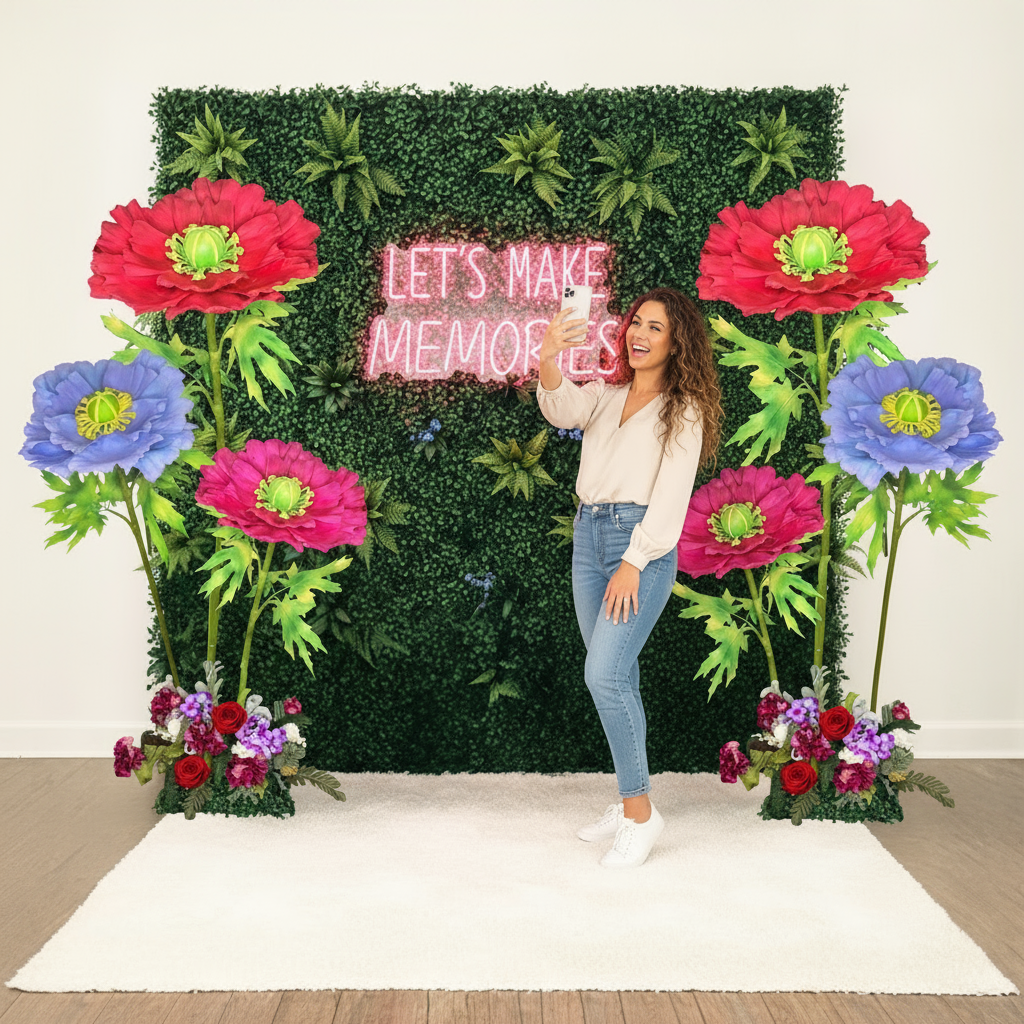
Selling on Etsy
Etsy is a great starting point, but the fees are real. Between listing, transaction, and payment processing fees, you're losing roughly 10–13% of every sale. Build that into your Etsy price. Also, Etsy buyers are often price-sensitive but also value-driven. Great photos and a compelling story about your process go a long way. Check out how I think about DIY giant flower backdrops for photos — that same visual storytelling applies to your Etsy listings.Local Markets & Craft Fairs
At craft fairs, you have the advantage of face-to-face selling — people can see the scale and quality in person. But booth fees, travel, and display costs add up. Make sure you're factoring in $50–$300+ in booth fees spread across the pieces you expect to sell. Don't discount just because you're at a market. If anything, being there in person justifies your price — people can see the craftsmanship up close.Direct to Event Planners & Brides
This is where the real money is. Event planners who find you through Instagram or referral are already sold on giant flowers. They're not comparison shopping on Etsy. They want quality, reliability, and something stunning. For this market, I'd add a 15–25% premium over your base retail price. You can also offer rental options here — more on that in a minute.Corporate & Commercial Clients
Corporate clients — think retail activations, brand events, trade shows — have real budgets. According to IBISWorld, the US floral and event décor industry generates billions annually, and corporate clients represent a growing slice of that. For corporate work, double your retail price and don't apologize for it. They're paying for your expertise, your reliability, and your ability to make their brand look incredible. If you want to see how giant flowers work in brand activations, I wrote all about it in my guide to experiential marketing activations.The Rental Model: A Game-Changer for Your Foam Flower Business
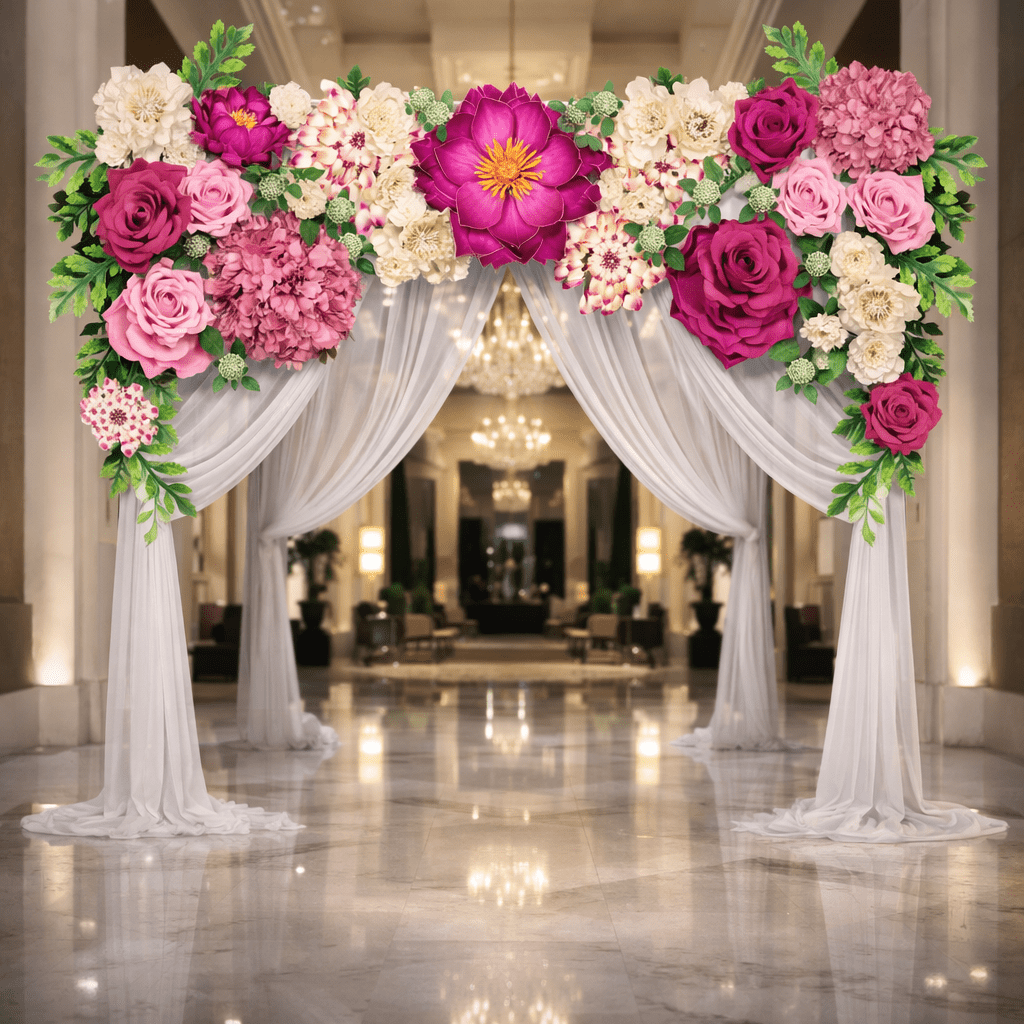
Foam flowers are perfect for rental because EVA foam is incredibly durable. A well-made giant flower can last for years with minimal maintenance. I've rented the same pieces dozens of times. A good rental pricing formula: charge 15–25% of the purchase price per rental. So a flower that retails for $200 rents for $30–$50 per event. After 5 rentals, you've recouped your full retail price. Everything after that is pure profit.
Always include a damage deposit (I use $25–$50 per piece) and have a simple rental agreement. It protects you and signals professionalism to clients. For wedding and event rental ideas, my post on giant flower event budgets breaks down what clients are typically willing to spend.
How to Raise Your Prices Without Losing Customers
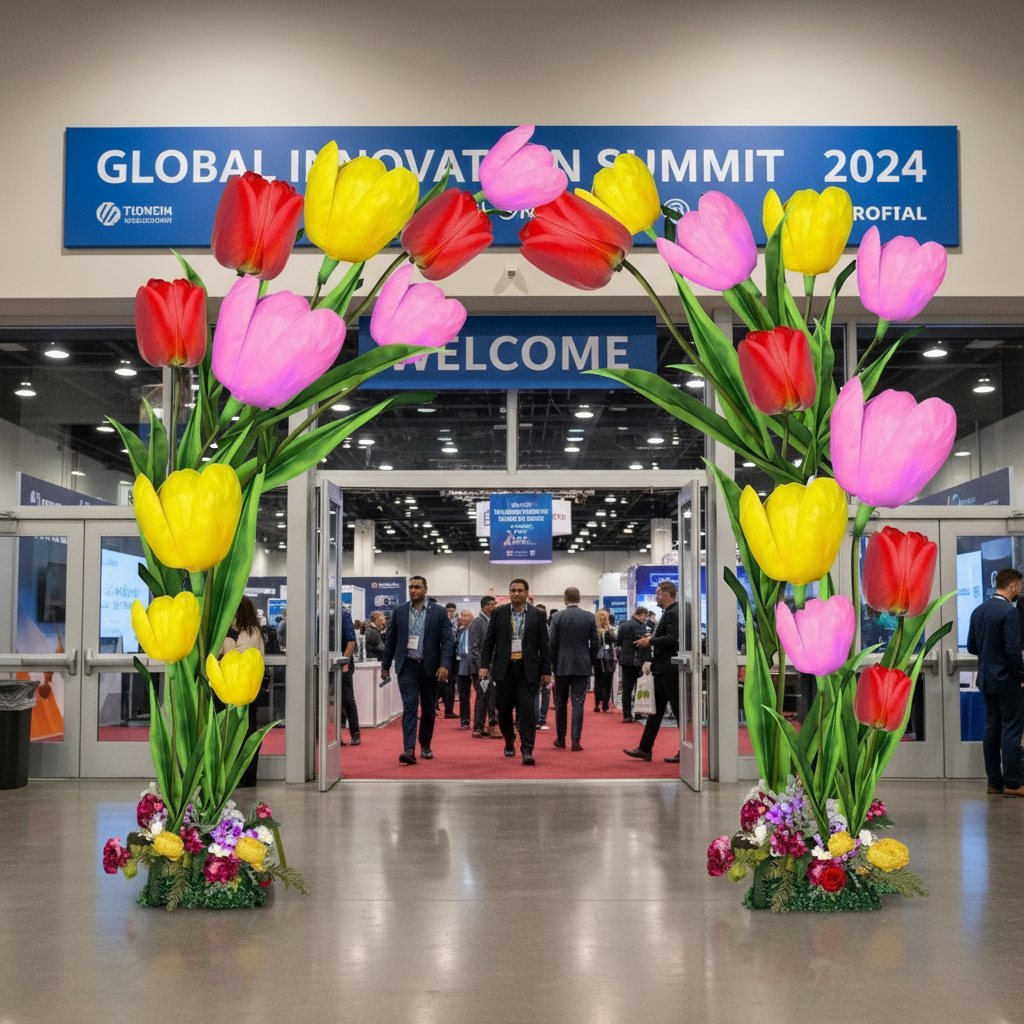
Raise Prices Gradually
You don't have to double your prices overnight. Raise them 10–20% every 6 months as you build your portfolio and reputation. Most existing customers won't even blink. New customers only ever know your current price.Justify the Price With Your Story
People pay more when they understand the value. Share your process on social media. Show the hours that go into a piece. Talk about your materials — why you use quality EVA foam, why your stems are flexible and durable, why your flowers hold their shape for years. If you want inspiration on how to talk about your craft, my guide on every type of foam for giant flowers is a great resource to reference in your own content.Create Packages That Anchor High
Offer three tiers: a smaller, simpler option; your main offering; and a premium bundle. The premium bundle makes your main offering look like a great deal. This is basic pricing psychology, and it works beautifully. Our shop is structured this way — individual kits, wall-mounted options, and full bundle sets — and it consistently nudges buyers toward the mid-to-high tier.Common Pricing Mistakes to Avoid in Your Sell Handmade Foam Flowers Pricing Guide
- Pricing Based on What Others Charge: Someone else's price reflects their costs, their experience, and their market. It has nothing to do with yours. Do your own math.
- Forgetting Custom Order Fees: Custom colors, rush orders, and unusual sizes all cost more. Charge for them. Always.
- Not Raising Prices as Skills Improve: You're faster and better than you were a year ago. Your price should reflect that growth.
- Offering Too Many Discounts: The occasional sale is fine. Constant discounting trains customers to wait for a deal and devalues your work.
- Ignoring Shipping Complexity: Giant flowers are awkward to ship. A 4-foot freestanding flower needs a custom box. Shipping can cost $35–$80+ depending on destination. Never eat that cost.
According to The Knot's annual wedding survey, the average US wedding budget has climbed above $30,000. Couples are spending real money on décor. You deserve a piece of that budget — but only if you price yourself into that conversation.
Building a Pricing Sheet and Quote Process
For custom quotes, I always ask these questions upfront:
- Event Date: Rush orders (under 2 weeks) get a 25–40% rush fee. No exceptions.
- Flower Type & Size: More complex flowers with layered petals and detailed centers take significantly longer.
- Color Matching: Custom color matching to brand colors or specific Pantone swatches takes extra time. Charge for it.
- Quantity: Larger orders can get a modest volume discount — but keep it under 15% or you're cutting into your margin.
- Delivery vs. Pickup: Delivery and setup is a separate service. Price it separately, including your driving time.
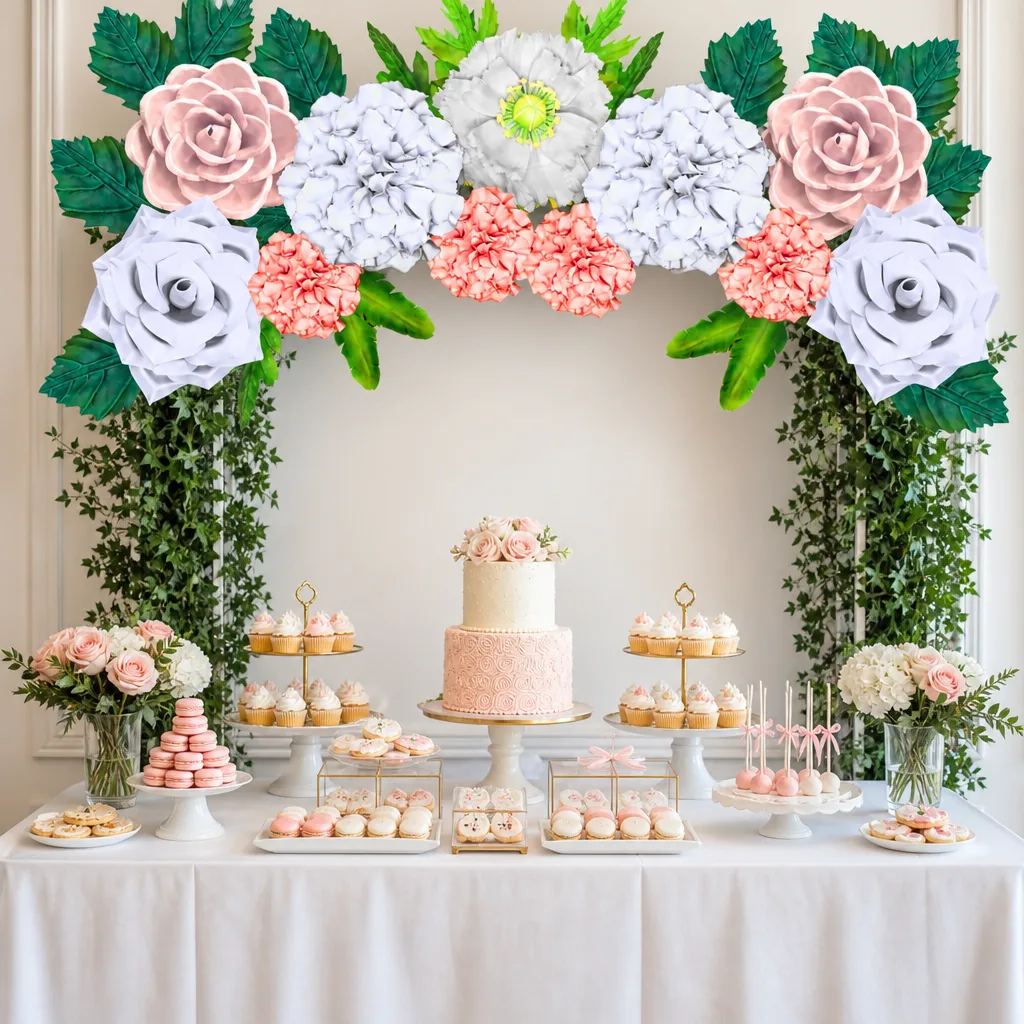
For event setups like wedding arches and backdrops, check out my guides on giant flower wedding arches and oversized flower arch backdrops — they'll give you a sense of the setup complexity that should factor into your quotes.
Frequently Asked Questions
How much should I charge for a handmade giant foam flower?
It depends on size and complexity, but as a general guide: a 2-foot wall flower starts around $75–$110, a 3-foot freestanding flower runs $140–$185, and a 4–5 foot statement piece can command $220–$480+. Always use the materials + labor + overhead + profit formula rather than guessing.
Is it worth selling giant foam flowers on Etsy?
Yes, but go in with eyes open. Etsy fees eat roughly 10–13% of every sale, so build that into your pricing. The platform gives you visibility, especially for wedding and event searches. Just don't let Etsy's competitive environment pressure you into underpricing — your work is worth more than marketplace bargain hunters expect.
Should I offer rental options for my foam flowers?
Absolutely. Rentals are one of the smartest revenue strategies for foam flower sellers. Charge 15–25% of the purchase price per rental, require a damage deposit, and use a simple rental agreement. After 5–7 rentals, a single piece has paid for itself multiple times over. EVA foam is durable enough to hold up beautifully through many events.
How do I price giant foam flowers for corporate clients?
Corporate clients have real budgets and expect professional pricing. I recommend charging 1.5–2x your standard retail price for corporate work. They're paying for reliability, custom branding, and your expertise — not just a decoration. Always get a signed agreement and a 50% deposit upfront.
What's the biggest pricing mistake foam flower sellers make?
Hands down: not paying themselves for their labor. Most crafters calculate materials, forget to add a real hourly rate, and end up making less than minimum wage. Your time is your most valuable resource. Price it accordingly — I recommend $25–$60/hour depending on your skill level and market.
How do I compete with cheaper mass-produced flower decorations?
You don't. That's the honest answer. You're not competing with $15 party store flowers — you're competing with custom event designers and luxury décor companies. Lean into that. Talk about your craftsmanship, your customization options, your durability. According to WeddingWire, couples increasingly prioritize unique, personalized décor over generic options. That's your market.
Pricing your handmade foam flowers fairly isn't about being greedy — it's about building something sustainable. Something that lets you keep doing what you love without burning out or going broke. You deserve to be paid well for your creativity and your craft. If you're just getting started or looking to level up your flower-making skills, browse our full collection at Amazing Giant Flowers. We've got everything from pre-cut kits to professional-grade EVA foam and bendable stems — all designed to help you create work worth every penny of your asking price. What's the pricing challenge you're struggling with most right now? I genuinely want to know.
Ready to Create Something Amazing?
Browse our collection of giant flower kits and start your next project today.