Bendable Pipe Stems: How to Cut and Bend for Any Arrangement
Key Takeaways
- Standard bendable pipe stems typically come in 36-inch lengths, but most arrangements require custom cuts between 12 and 30 inches.
- The right stem length depends on your flower size, display type (freestanding vs. wall vs. arch), and vase or base depth.
- Cutting pipe stems correctly requires the right tool — wire cutters or bolt cutters work best depending on gauge.
- Bending technique matters as much as length — gradual curves hold better than sharp kinks.
- Pre-planning your stem lengths before cutting saves materials and makes your whole arrangement more cohesive.
What Are Bendable Pipe Stems and Why Do They Matter?
Think of them like the skeleton of your flower. The foam petals are the beauty, but the stem is what holds everything in the right position. Without the right stem — the right length, the right bend, the right gauge — even the most gorgeous flower can look off. I've seen it happen at events where someone used a stem that was two inches too short and the flower head drooped forward like it was tired.
What Our Bendable Pipe Stems Are Made Of
The stems we carry at Amazing Giant Flowers are made with a multi-strand wire core wrapped in a flexible foam or fabric outer layer. This construction gives you two things: structural integrity and workability. You can bend them once, twice, reshape them on-site if you need to. They hold their position without snapping back.The Bendable Pipe Stem Length Cutting Guide: Starting with the Right Measurements
Freestanding Giant Flower Arrangements
For a freestanding flower in a base or vase, you need to account for two things: how deep the stem goes into the base, and how tall you want the flower to stand above it. Here's my general rule: add 6-8 inches to your desired visible stem height to account for the base insertion. So if you want a flower standing 24 inches tall above a vase, cut your stem to 30-32 inches.Arch and Garland Arrangements
For arches, you're not looking for height — you're looking for flexibility and attachment length. Stems for arch arrangements typically run 12 to 18 inches, because they need to wrap around or weave through the arch frame. Shorter stems are actually easier to control on a curved surface. Longer ones tend to flop.Wall-Mounted Displays
Wall flowers don't need a stem at all in most cases — but if you're creating a cascading wall piece where flowers hang at different depths, stems of 6 to 14 inches give you that layered, dimensional look. Check out our White Flowers on Wall guide for more on how to create depth in wall installations.Centerpiece Arrangements
Centerpieces are my favorite to work with because you get to play with varying heights. I typically use a mix of stem lengths in one arrangement — maybe a 28-inch stem for the tallest flower, a 20-inch for the mid-height ones, and a 14-inch for the lower blooms. This creates that lush, layered look that photographs beautifully. For more ideas, check out our post on Giant Flower Centerpieces.| Arrangement Type | Recommended Stem Length | Base Insertion Allowance | Notes |
|---|---|---|---|
| Freestanding Vase | 28–36 inches | 6–8 inches | Taller flowers need heavier gauge stems |
| Arch / Garland | 12–18 inches | 2–4 inches (tie-in) | Flexibility matters more than length here |
| Wall Display | 6–14 inches | N/A | Use for depth layering only |
| Centerpiece (tall) | 24–30 inches | 6–8 inches | Anchor well in foam block or floral foam |
| Centerpiece (low) | 10–16 inches | 4–6 inches | Great for table-level arrangements |
| Photo Booth Backdrop | 8–12 inches | N/A | Attach to backdrop frame or grid panel |
Tools You Need to Cut Bendable Pipe Stems Cleanly
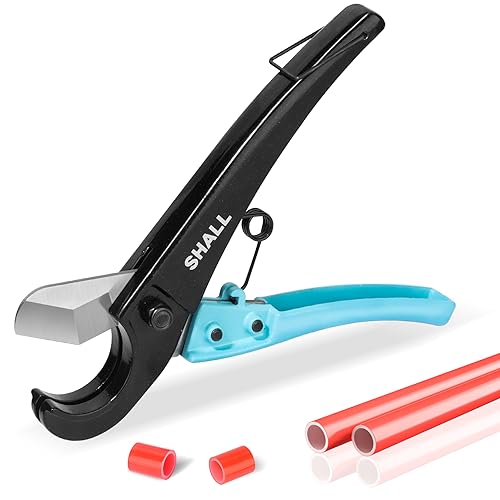
Here's what actually works:
- Heavy-Duty Wire Cutters: My go-to for most stem gauges. They give a clean, precise cut and are easy to control. Look for ones with a cutting capacity of at least 3mm.
- Bolt Cutters: For thicker, heavier-gauge stems — especially ones designed to hold a 4 or 5-foot flower. The extra leverage makes a huge difference.
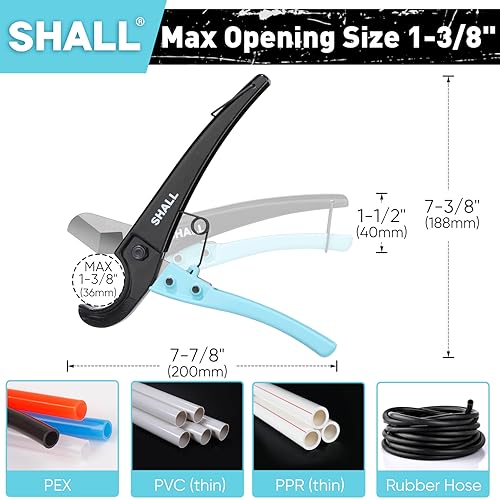
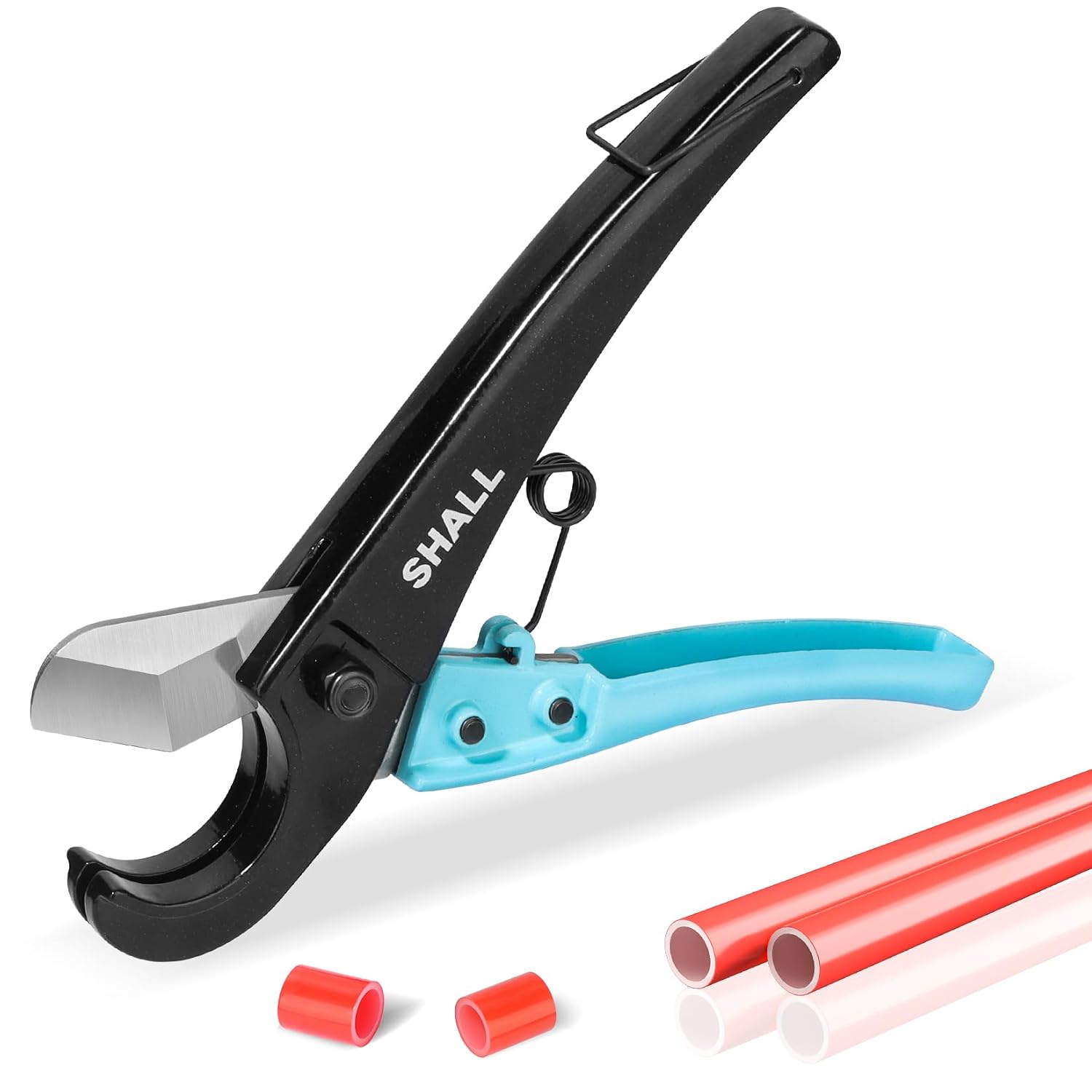
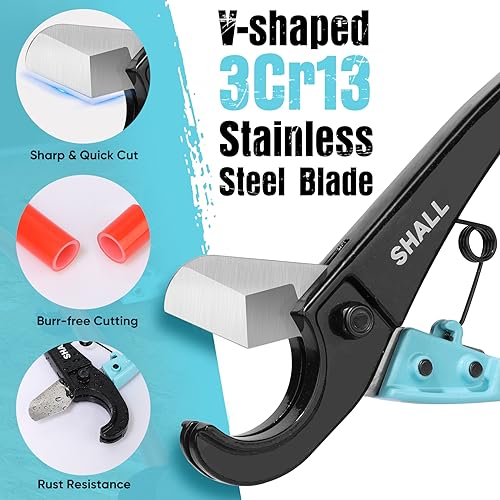
- Rotary Pipe Cutter: If you want the absolute cleanest cut with zero fraying, a small rotary cutter works beautifully on the outer wrap before you snip the wire core.
- Measuring Tape: Sounds obvious, but always measure twice. Mark with a permanent marker before you cut.
- Electrical Tape or Floral Tape: For wrapping the cut end after you're done — this keeps the wire from poking through and gives a finished look.
Marking Your Stems Before Cutting
I always mark every stem with a white paint marker or chalk marker before I cut. It's visible on dark green stems and wipes off easily if I need to adjust. Measure from the bottom up. Don't measure from the top — especially if the stem has a pre-attached flower head, because the top end may not be perfectly flat.Step-by-Step: How to Cut Your Bendable Pipe Stems
Step 1: Lay all your stems out flat. Before you cut a single one, lay them all on a flat surface and decide on your heights. If you're making a centerpiece with five flowers, figure out all five lengths before you start cutting. Step 2: Measure and mark each stem. Use your measuring tape and marker. I mark a small line all the way around the stem — not just a dot — so I can see it from any angle while I'm cutting.
Step 3: Score the outer wrap first (optional but recommended). If your stem has a thick fabric or foam outer layer, use a craft knife to lightly score around the cut line. This prevents the wrap from fraying or bunching when you cut the wire. Step 4: Cut the wire core. Position your wire cutters at the marked line and cut in one firm, decisive motion. Don't saw back and forth — one clean squeeze gives the best result.
Step 5: Smooth the cut end. Run your finger over the cut end. If any wire is protruding, use a small file or the edge of your cutters to push it back in. Then wrap the end with 2-3 layers of floral tape to seal it. Step 6: Test the length before attaching the flower head. Place the stem in your base or vase and check the height. It's much easier to trim a little more off now than after you've glued the flower on.
How to Bend Bendable Pipe Stems Without Kinking
The Gradual Curve Method
The trick is to work the bend gradually over a 4 to 6-inch section of stem rather than at a single point. Place both hands on the stem about 3 inches apart from your intended bend point. Apply slow, even pressure, moving your hands slightly apart as you bend. Think of it like bending a piece of rebar — smooth and steady.Bending Around a Form
For arch arrangements, I bend stems around a cylindrical form — a piece of PVC pipe, a large cardboard tube, even a rolled-up magazine works. This gives you a consistent, even curve across multiple stems. This is especially useful if you're making a full Giant Flower Wedding Arch and need all your stems to curve at the same radius.Common Bending Angles and When to Use Them
- Slight Curve (10–20°): Perfect for freestanding arrangements where you want flowers to fan outward naturally. Gives a relaxed, organic look.
- 45° Bend: Great for arch placements where the flower needs to face outward from the frame. Bend about 4 inches from the flower head end.
- 90° Bend: Use this for hanging or draping arrangements. Bend 6–8 inches from the top so the flower head hangs horizontally while the stem attaches vertically.
- S-Curve: My personal favorite for centerpieces. Two gentle opposing bends create a graceful, natural-looking stem that mimics real flowers.
Matching Stem Gauge to Flower Size
Here's my general gauge guide:
- Lightweight stems (2–3mm gauge): Best for smaller flowers, 2 feet and under. Wall-mounted pieces, small centerpieces, photo booth accents.
- Medium stems (4–5mm gauge): The workhorse. Works for most 3 to 4-foot flowers. This is what I use in most of our kits.
- Heavy-duty stems (6mm+): For the big statement pieces. 4 to 5-foot flowers, outdoor arrangements, anything that needs to hold up at an event for hours.
According to a The Knot report, oversized floral installations are consistently among the top wedding decor trends — which means your stems need to perform under real-event conditions, not just in your craft room. A Brides.com survey found couples spend an average of $2,000–$2,500 on wedding flowers. Giant foam flower installations can deliver a similar visual impact at a fraction of that cost — but only if the construction is solid.
Mistakes to Avoid When Cutting and Bending Stems
Cutting Too Short
This is the most common one. People measure the visible stem height they want and cut to that length — forgetting about base insertion. Always add your insertion depth to your measurement. A stem that's 2 inches too short can't be fixed. Cut long, then trim.Bending Too Close to the Flower Head
If you bend a stem within 1–2 inches of the flower head attachment point, you risk loosening the glue joint. Always bend at least 3 inches away from where the flower attaches.Using the Wrong Gauge for the Flower Size
I touched on this above, but it's worth repeating. Undersized stems for large flowers are a recipe for drooping and disappointment. When in doubt, go one gauge heavier.Not Sealing the Cut End
Raw cut ends on wire stems can snag foam, scratch surfaces, and poke through petal attachments. Always seal with floral tape. Always.Cutting All Stems the Same Length
Unless you're going for a very structured, formal look, identical stem lengths create flat, boring arrangements. Vary your heights by at least 4–6 inches between flowers for a natural, lush effect.Stem Prep for Different Base Types
Floral Foam Bases
For traditional floral foam blocks, you want a clean, straight-cut stem end with no flaring. Push it in with a slight twisting motion — this seats it more securely than straight pressure.EVA Foam or Styrofoam Bases
With EVA or styrofoam bases, I pre-drill a small pilot hole with a skewer or thin dowel before inserting the stem. This prevents the foam from cracking and gives the stem a snug fit. For more on working with foam materials, check out our Crafter's Guide to Every Type of Foam for Giant Flowers.Vases and Containers
For vase arrangements, I add a small bend at the very bottom of the stem — about a 15° angle — so the stem rests against the inside wall of the vase. This prevents the flower from spinning or tilting. You can also use floral marbles, sand, or a foam insert inside the vase to hold stems more securely.Arch Frames
For metal arch frames, I wrap the stem end in floral wire before tying to the frame. This gives you something to twist and secure without damaging the stem's outer wrap. For a full walkthrough on arch builds, our How to Make an Oversized Flower Arch Backdrop post covers the whole process.How Many Stems Do You Need? Planning Your Arrangement
For a standard wedding arch (approximately 7–8 feet tall), I typically use:
- Large anchor flowers (4–5 feet): 4–6 stems at 14–18 inches
- Medium flowers (3 feet): 8–12 stems at 10–14 inches
- Small accent flowers (2 feet): 10–16 stems at 8–10 inches
For a tall centerpiece (30–36 inches finished height), I use:
- Feature flower: 1 stem at 30–34 inches
- Supporting flowers: 2–4 stems at 22–26 inches
- Base-level flowers: 3–5 stems at 14–18 inches
A WeddingWire planning guide notes that most couples underestimate the number of floral pieces needed for full visual coverage. The same applies to giant flower installations — more flowers, varied heights, always looks better than fewer flowers at uniform heights.
Finishing Touches: Wrapping and Styling Your Stems
Floral Tape Wrapping
Floral tape (also called stem wrap tape) is slightly stretchy and self-adhesive when pulled taut. Wrap from just below the flower head all the way to the base in a tight spiral. This covers any visible wire, smooths out imperfections, and gives the stem a clean, professional look.Painting Your Stems
For themed events, I sometimes paint stems to match the color palette. Acrylic paint over a primer coat adheres well to most stem materials. You can also use spray paint for a faster, more even finish. Our guide on Flawless Foam Board Paint Finishes has some great tips on paint adhesion that apply here too.Adding Faux Leaves
Faux leaves attached partway down the stem add so much realism. I use a small dab of hot glue to attach them, then wrap over the attachment point with floral tape to secure. Position leaves at natural-looking intervals — not symmetrically spaced, but offset, the way real foliage grows.Frequently Asked Questions
What is the standard length of a bendable pipe stem?
Most bendable pipe stems come in a standard 36-inch length, which gives you flexibility to cut down to whatever size you need. Some suppliers also offer 18-inch and 24-inch pre-cut options. For giant flower arrangements, I almost always start with 36-inch stems and cut to my specific measurements.
Can I reuse bendable pipe stems after an event?
Yes, absolutely! This is one of the best things about working with foam flowers and bendable stems. After an event, carefully remove the flowers, straighten the stems gently, and store them flat. Most stems can be reused 3–5 times before the wire core starts to fatigue. Just inspect each one before reuse — if it feels stiff or has visible kinking, it's time to replace it.
What tools do I need to cut bendable pipe stems at home?
For most standard-gauge stems, a good pair of heavy-duty wire cutters is all you need. If you're working with thicker, heavy-duty stems for large flowers, bolt cutters give you the extra leverage for a clean cut. Always seal the cut end with floral tape afterward to prevent fraying and wire exposure.
How do I keep a bent stem from straightening out?
The key is to bend slowly and work the curve over a 4–6 inch section rather than at a single point. Once bent, the multi-strand wire core holds the shape well. If you're worried about a bend reverting, you can reinforce it by wrapping the bent section tightly with floral wire or floral tape to lock the angle in place.
How do I know what gauge stem to use for my flower?
Match your gauge to your flower size: 2–3mm for flowers under 2 feet, 4–5mm for 3 to 4-foot flowers, and 6mm+ for anything 4 feet and above. When in doubt, go one size heavier. A stem that's slightly overbuilt for the flower will hold up beautifully; an undersized stem will droop within hours.
Where can I buy bendable pipe stems for giant flowers?
We carry a full range of bendable pipe stems at Amazing Giant Flowers, sized and gauged specifically for giant EVA foam flower arrangements. They're the same stems included in our kits — tested and trusted for everything from DIY wedding arches to large-scale commercial displays. According to IBISWorld, the US floral industry generates nearly $8 billion annually, and the shift toward reusable foam alternatives is growing fast — so you're definitely not alone in wanting stems that actually work.
Getting your stems right is honestly one of those things that seems small but changes everything. Once you have a solid **bendable pipe stem length cutting guide** system in place — know your measurements, have the right tools, bend with intention — the whole process of building giant flower arrangements gets so much more enjoyable. If you're ready to start building, head over to the Amazing Giant Flowers shop and grab your stems and kits. And if you have questions about specific arrangements or stem sizing, drop them in the comments — I genuinely love helping you figure this stuff out. You've got this.
Ready to Create Something Amazing?
Browse our collection of giant flower kits and start your next project today.